Optical illusions are more than a fun photo. They’re a window into how your brain actually works. Every illusion on EyeCon exists because of a real, explainable quirk in human perception: how light behaves, how your eyes process motion, or how your brain fills in gaps it can’t quite see. This is where we dig into the why behind the illusions; the science, the history, and the tricks artists and photographers use to bend what you think is real. Browse by topic below, or dive straight into whichever kind of illusion has been messing with your head lately.
Perception and Psychology
Why do we see faces in clouds? Why does the same image look different to two different people? These articles go deeper into the psychology of seeing. how your brain builds assumptions, fills in blanks, and sometimes reveals a little about you in the process.
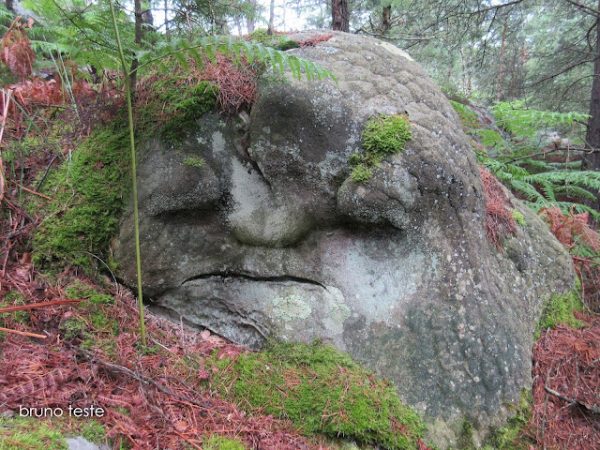
How do optical illusions work?
Are your eyes really tricked? Or is it the brain? The clearest explanation is: ‘it depends’. There are different types of optical illusions, and they all work differently.

Types of optical illusions
According to Richard Gregory, a British psychologist who wrote many papers on perceptual illusions, visual dissociations and more, there are three types of optical illusions: Physical, Physiological and Cognitive.
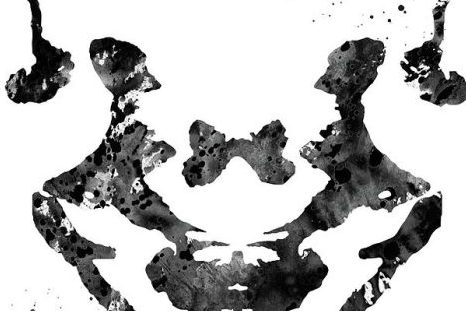
What optical illusions reveal about you
Many online tests promise to reveal your personality or more with a couple of optical illusions. But can you really tell much about yourself or your vision with these images?
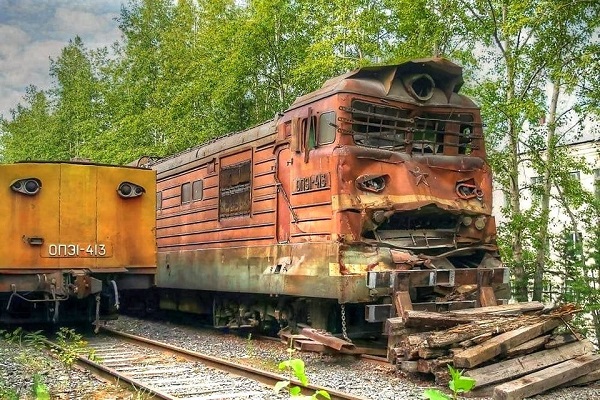
Pareidolia
Pareidolia is when you give a meaningful interpretation to images that are random and have no meaning. Why do we see animals in the clouds? And faces in objects?
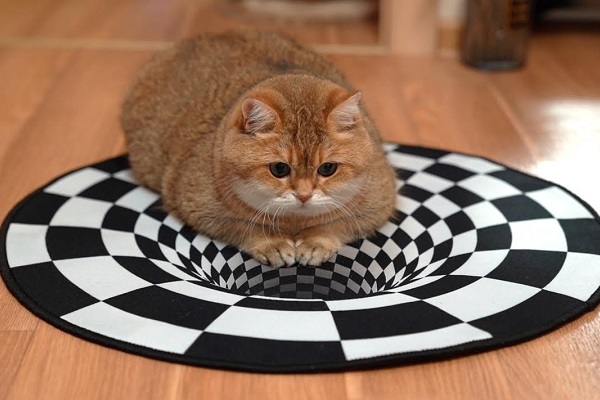
Animals and optical illusions
Many animals will fall for the same optical illusions as we humans do. Studies have been done with all kinds of animals ranging from birds to monkeys, and from cats to sharks and even fruit flies.
Geometry and Perspective
Perspective is one of the easiest things to manipulate. And one of the most fun to watch fall apart. This section covers how forced perspective, anamorphic art, and stereograms play with depth and scale to make the impossible look completely convincing.
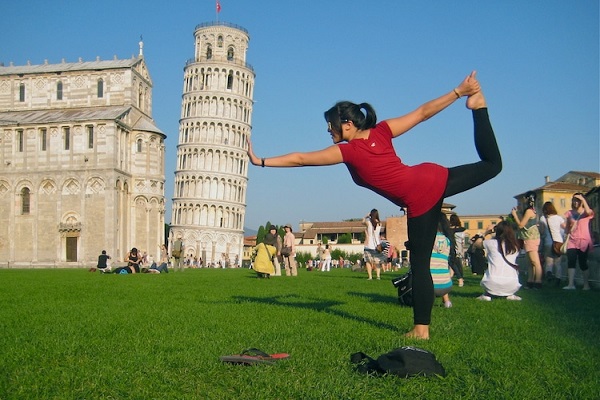
Forced Perspective
Forced perspective is a visual illusion that makes objects appear larger, smaller, closer, or farther away than they really are. It works by carefully positioning the camera and subjects to exploit depth cues in human vision.
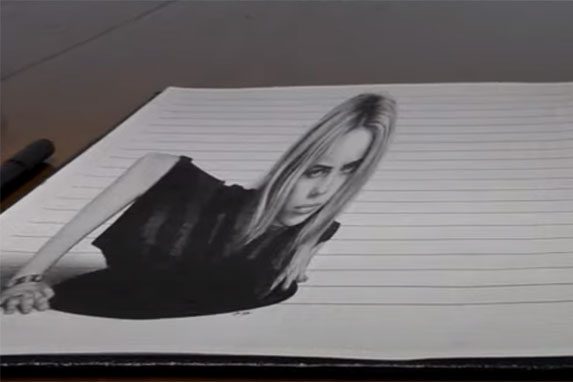
Anamorphic Illusions
Anamorphosis is a perspective technique in visual arts that looks like a distorted image from the usual point of view. But the image will become clear from one specific angle.
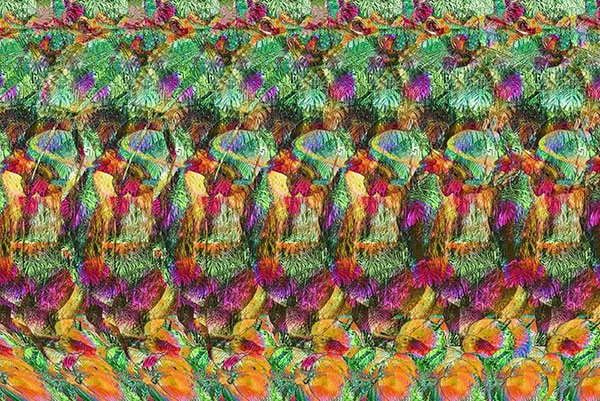
Stereograms
Stereograms are images designed to create the illusion of three-dimensional depth in a two-dimensional image. The most famous type is the autostereogram as in the Magic Eye books.
Light and Color
Some of the strangest illusions happen before your brain even gets involved — caused by how light itself behaves, or how your eyes interpret color and contrast. From mirages bending light across hot air to colors that shift depending on what surrounds them, this collection explores the physics and physiology behind illusions of light.

Mirages and Fata Morgana
So, whenever light changes from one medium to another at an angle, one side of the “ray” is slower then the other side. The light will bend and we call this refraction.
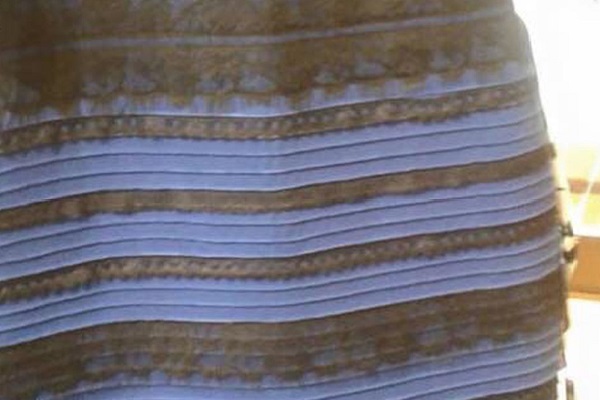
Color constancy
The term color constancy refers to our ability to perceive stable surface colors despite changes in illumination. Our brains interpret colors, rather see the actual colors in an image.
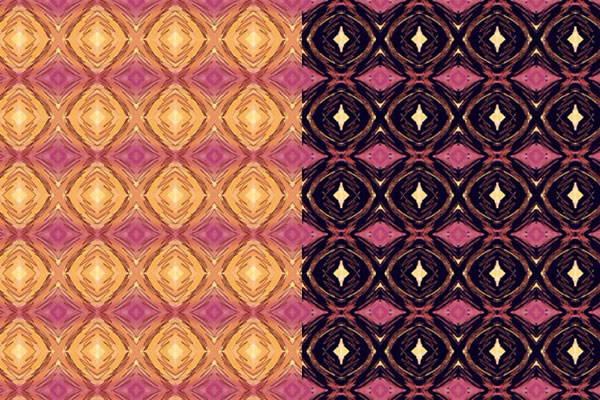
Bezold effect
The Bezold Effect is an optical illusion where a single color appears different depending on the colors around it.
Using and creating optical illusions
Once you understand how an illusion works, you can start building your own. These articles are all about the clever ways of making use of optical illusions in art, architecture or photography.
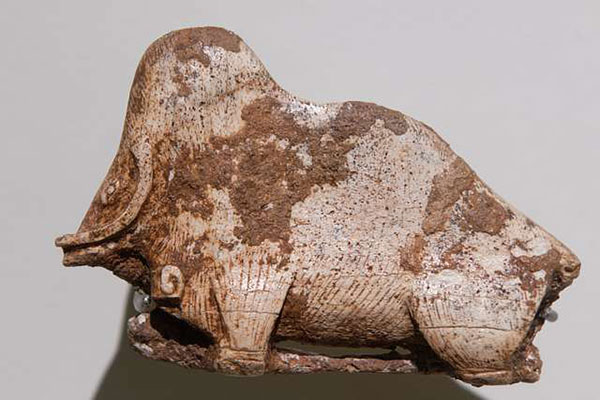
History of optical illusions in art
Optical illusions have played a role in human creativity for tens of thousands of years. The history of optical illusions is deeply intertwined with the history of art itself.
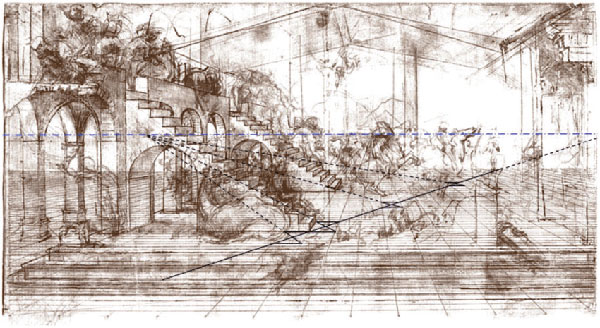
Optical illusions in architecture
In that sense, architecture has always been more than engineering. It is also the science of shaping perception. Some architectural illusions are carefully designed.
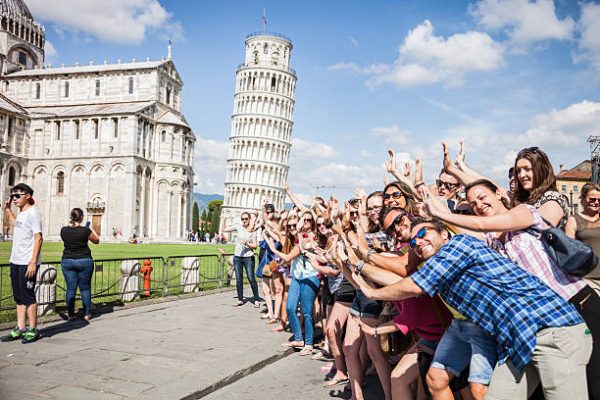
How to create optical illusions
Some optical illusion photos go viral and become a phenomenon like “the dress”, being discussed at nauseam in popular media, others are specifically used in advertising.