31 optical illusions with Category: Nature
Nature has been creating optical illusions long before humans picked up a paintbrush or camera. Every day, light, weather, geology, and plants combine to produce visual effects that can fool even the sharpest observer.
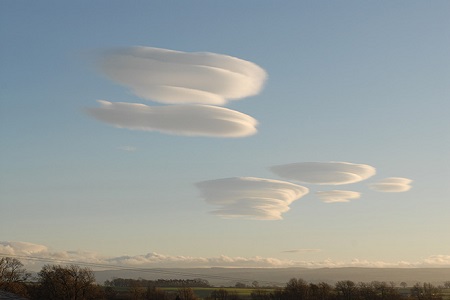
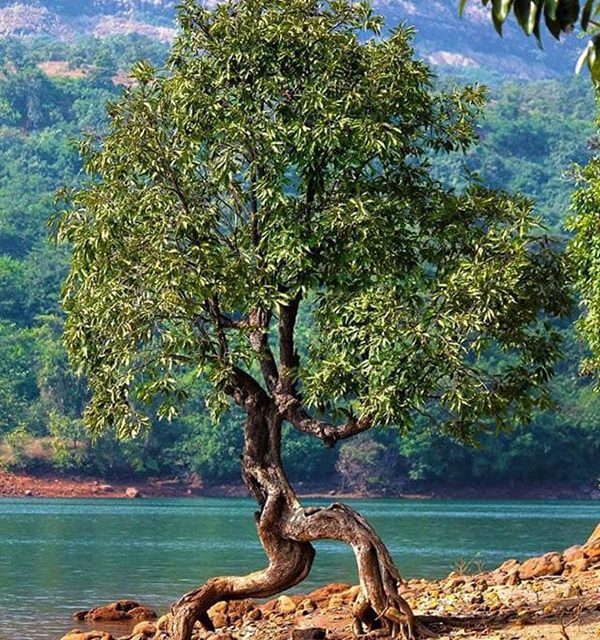
Some illusions last for only a few seconds, while others have inspired myths and legends for centuries. From clouds that resemble dragons to trees with human faces, the natural world is full of visual surprises waiting to be discovered.
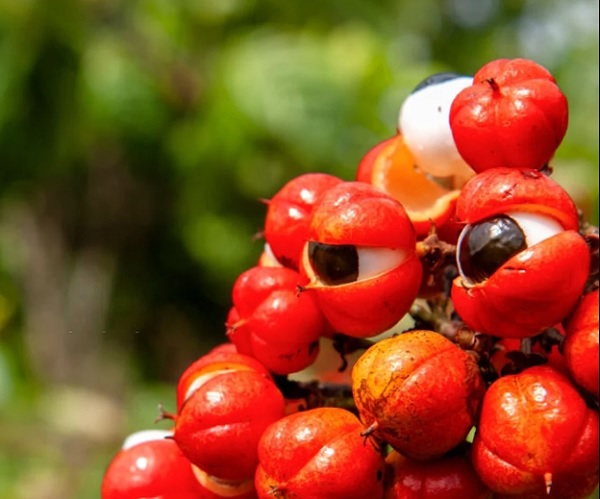
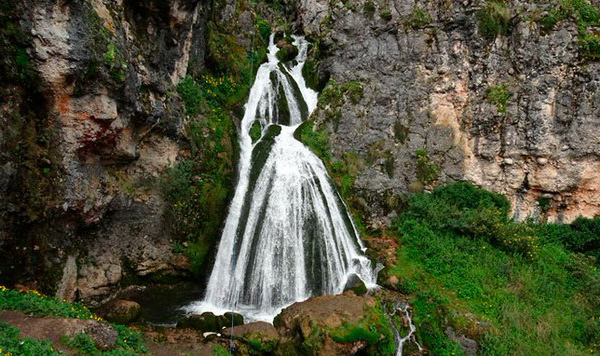
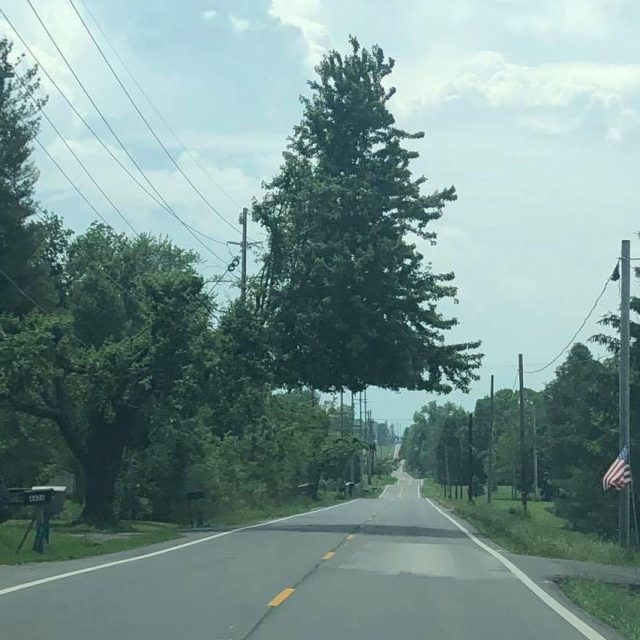
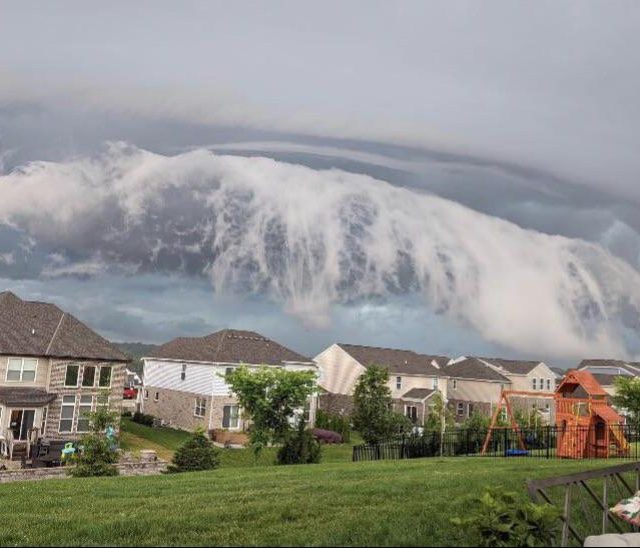
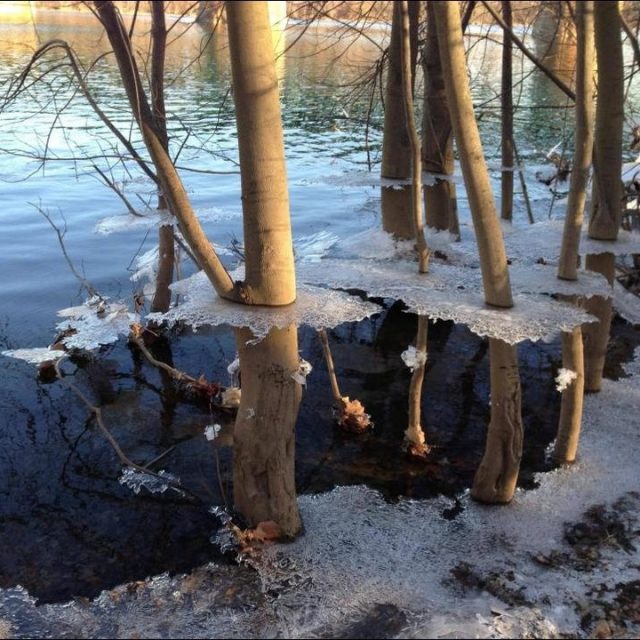
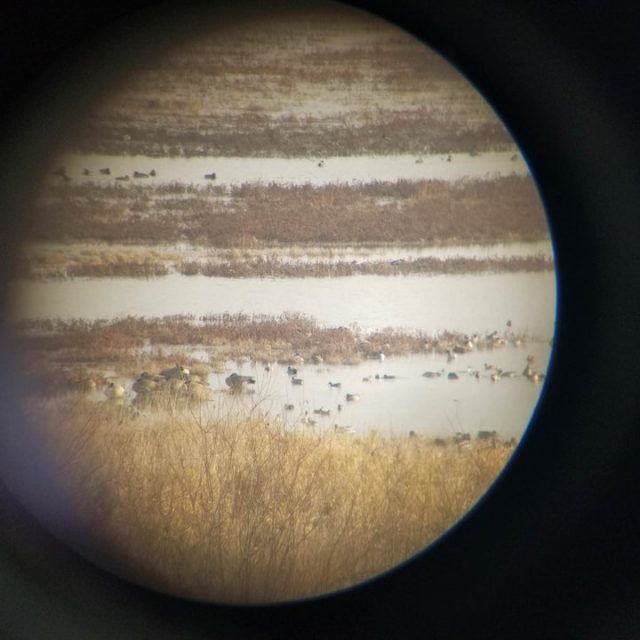
Why we see faces everywhere
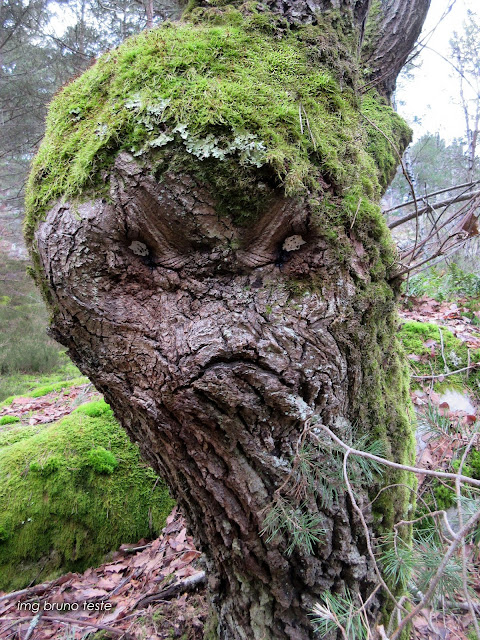
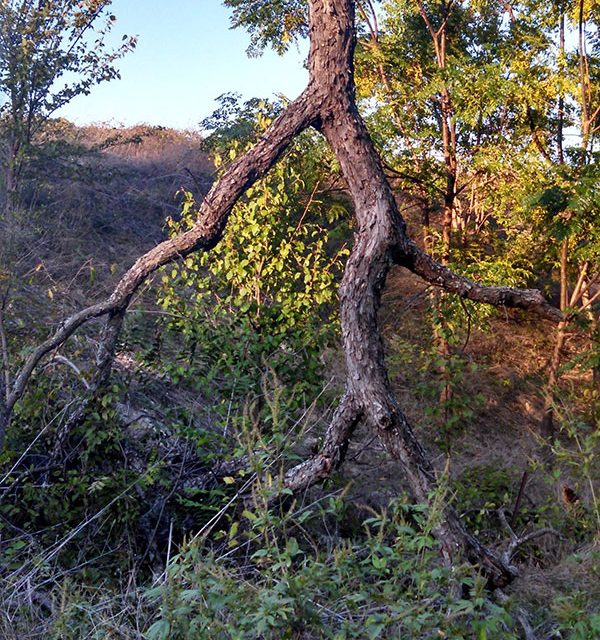
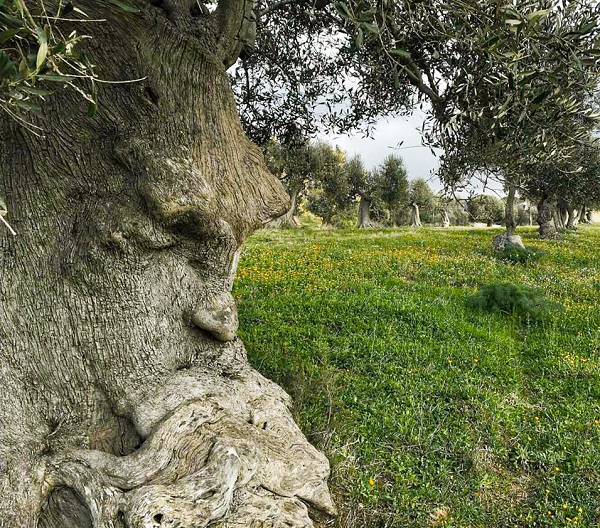
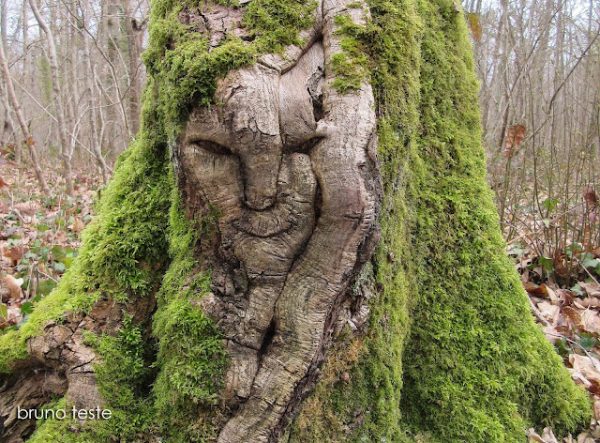
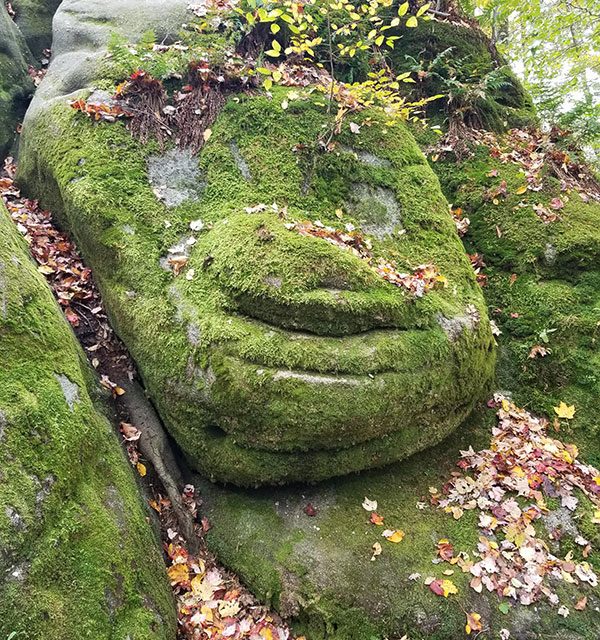
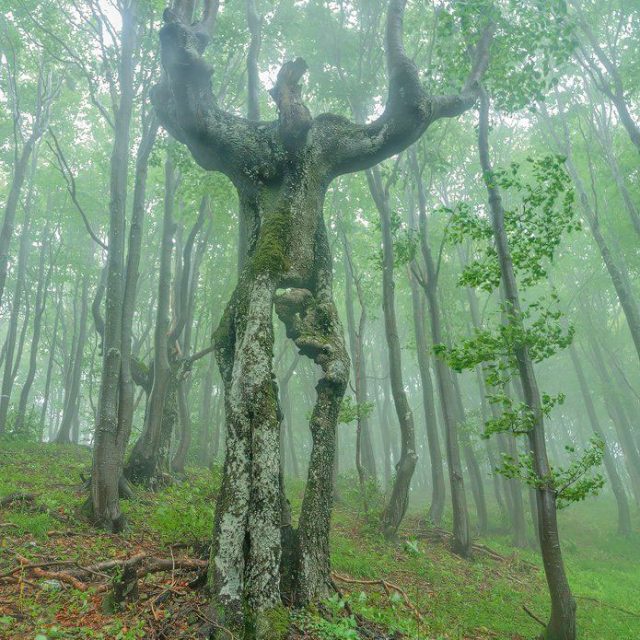
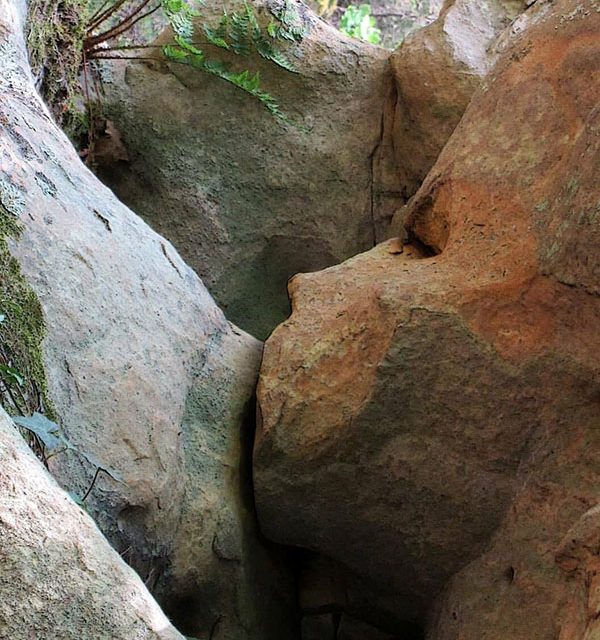
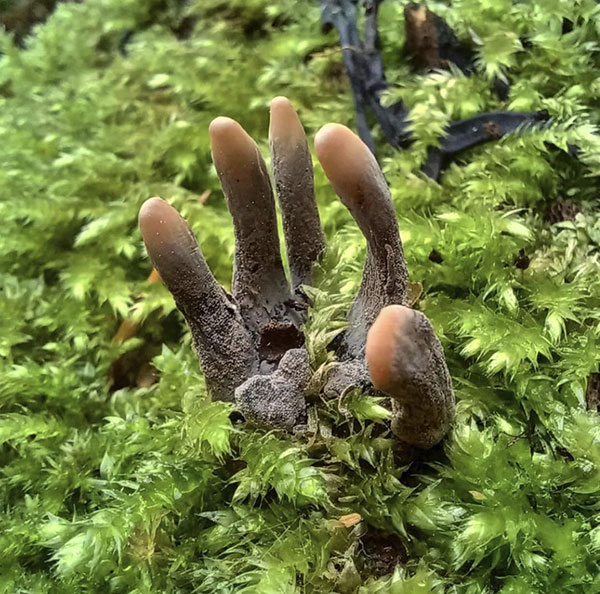
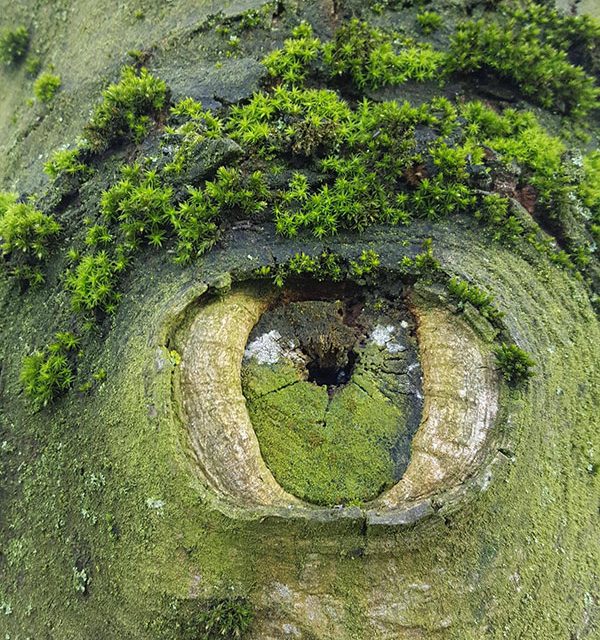
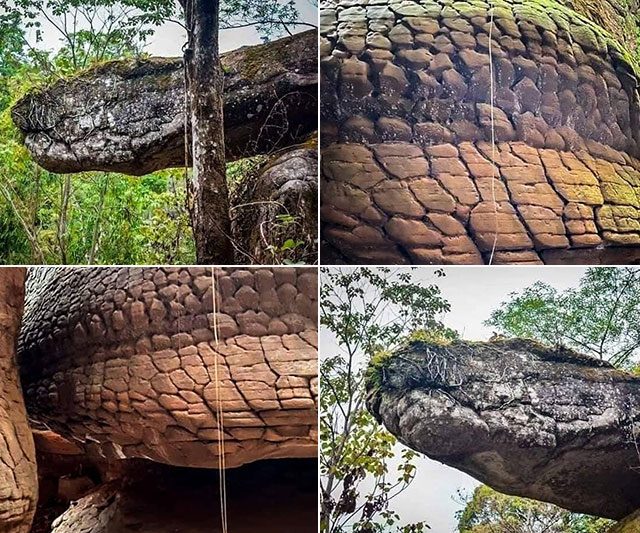
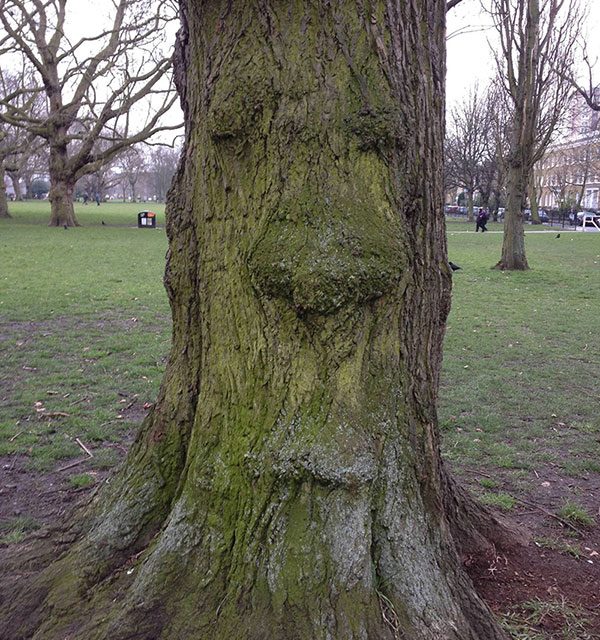
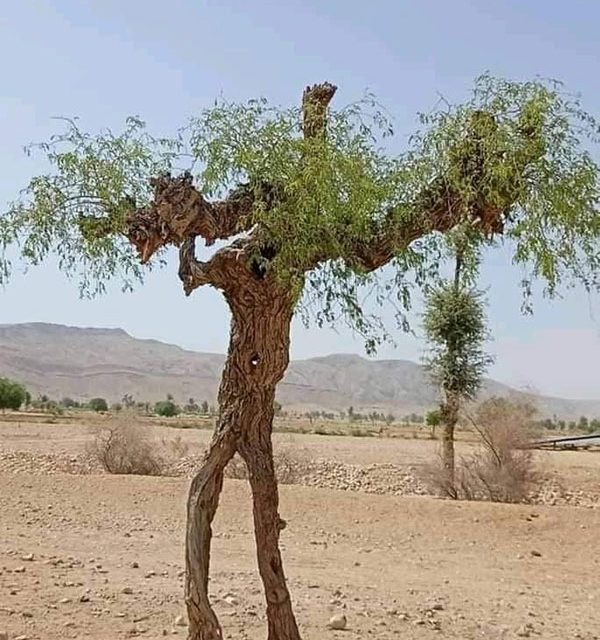
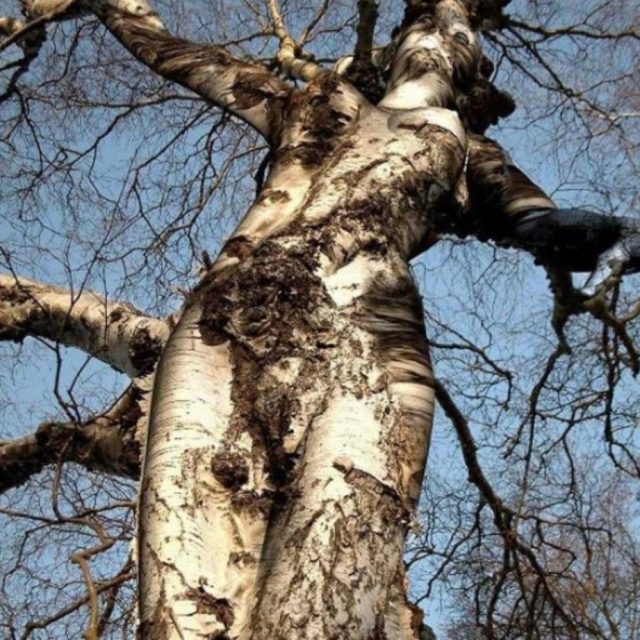
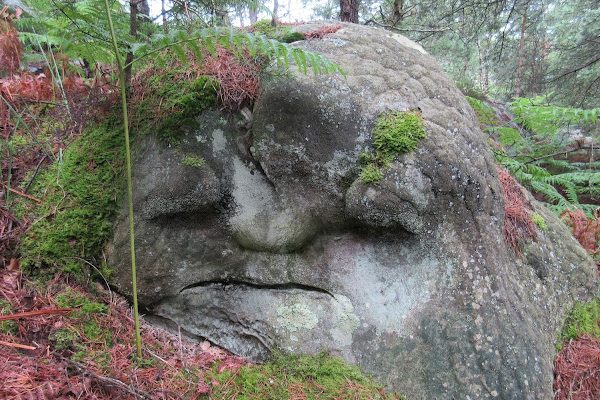
One of the most common optical illusions in nature is pareidolia. This is our tendency to recognize familiar objects in random patterns. A knot in a tree becomes a wise old face. A mountain resembles a sleeping giant.
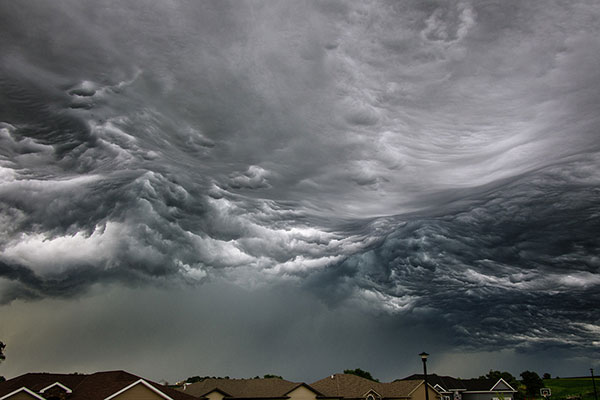
Clouds transform into animals, castles, or mythical creatures. This happens because the human brain is exceptionally good at recognizing meaningful patterns, especially faces, even when none actually exist.
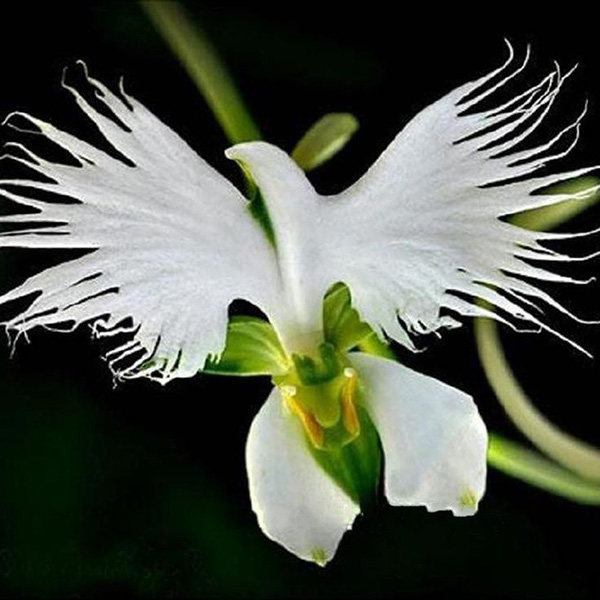
Nature’s masters of disguise
Some natural illusions are created by evolution rather than chance. Countless animals have developed remarkable camouflage, mimicry, and disruptive coloration that allow them to disappear into leaves, bark, sand, or snow.
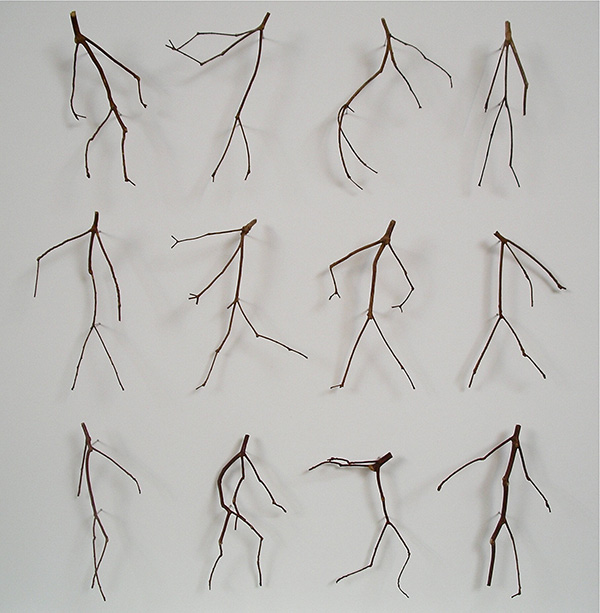
Walking sticks resemble twigs, leaf insects imitate foliage, and many butterflies vanish when they close their wings. These adaptations aren’t just fascinating. They can mean the difference between life and death in the wild.

When light becomes the artist
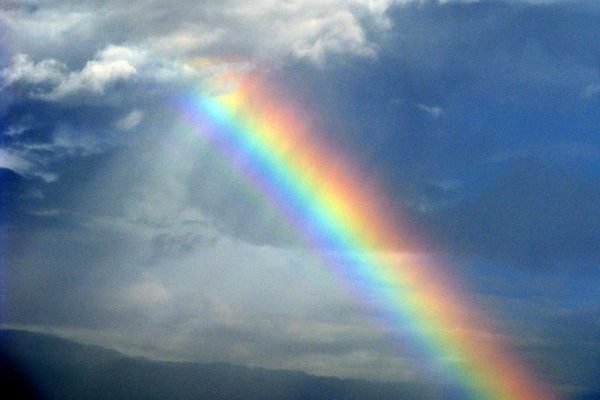
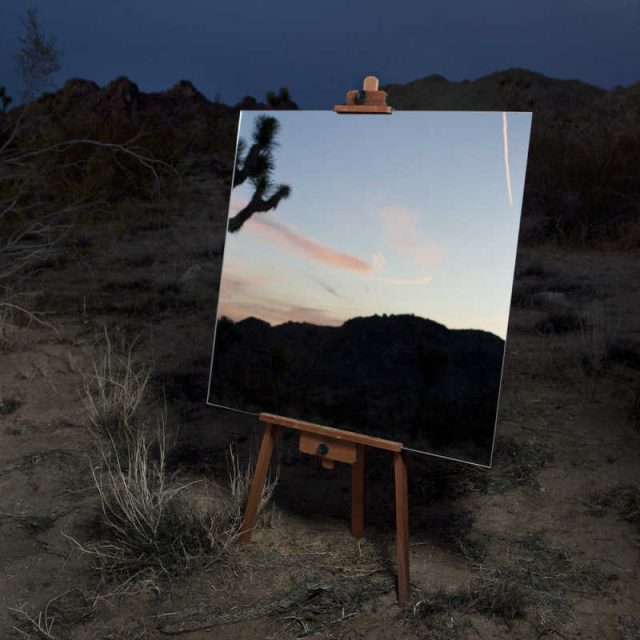
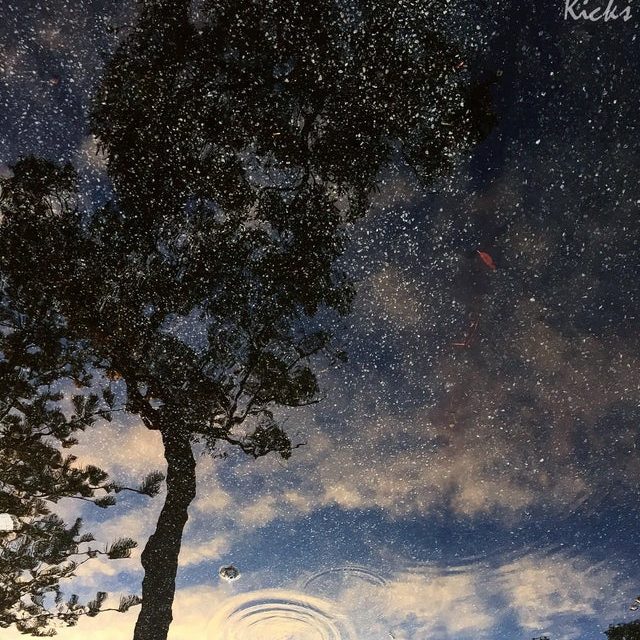
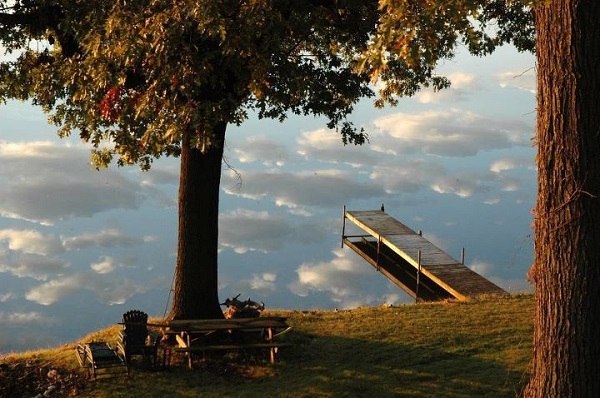
Some of the world’s most spectacular optical illusions are created entirely by light. Reflections can make mountains appear upside down, calm lakes can become perfect mirrors, and atmospheric conditions can produce mirages that seem to place ships in the sky. Rainbows, halos, sun dogs, and shimmering heat haze all demonstrate how light can transform an ordinary landscape into something extraordinary.

The beauty of perfect timing
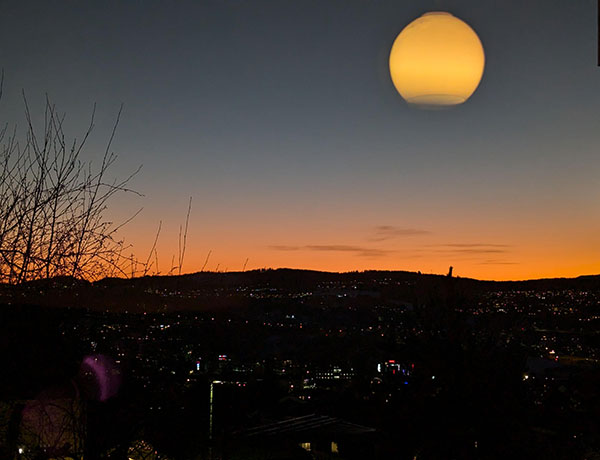
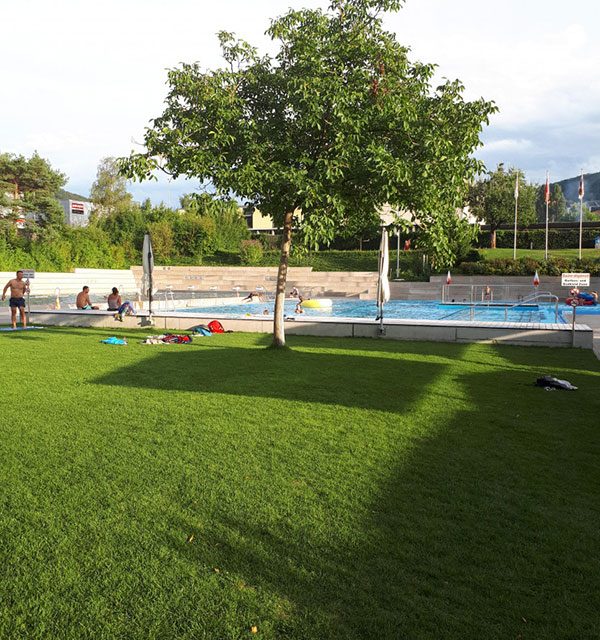
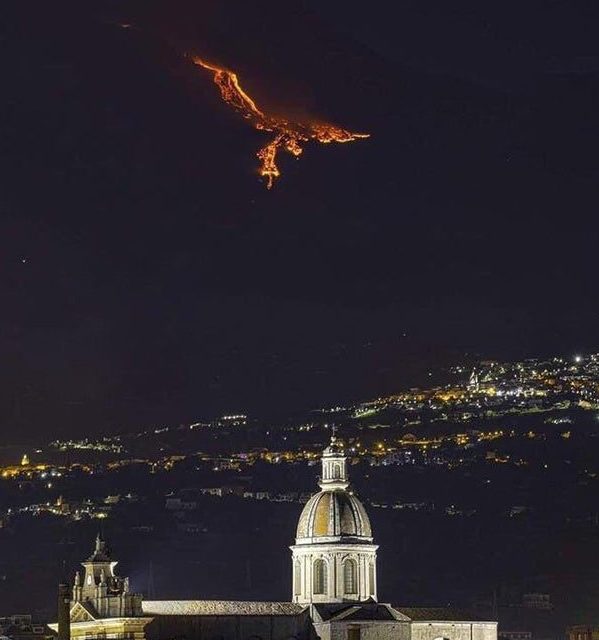
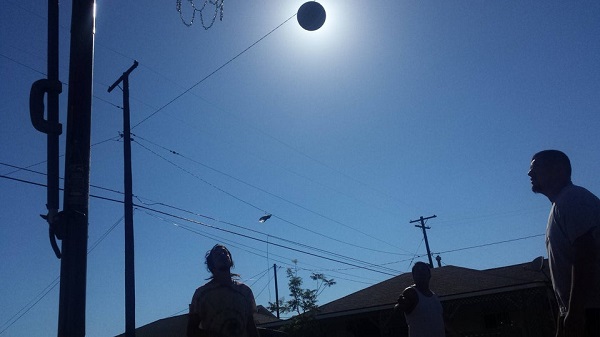
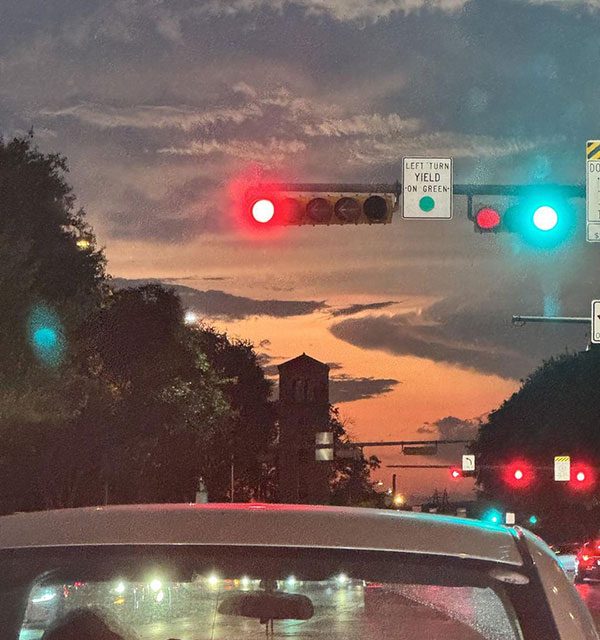
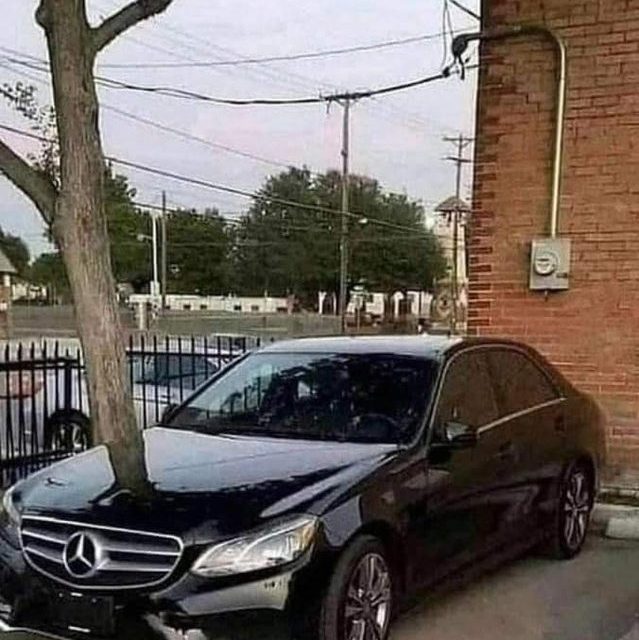
Not every illusion is permanent. Some exist only for a split second, captured by a camera at exactly the right moment. A bird flies behind a person and appears to give them wings. The setting sun balances perfectly on a distant tree. A wave briefly takes the shape of an animal before crashing back into the sea. These fleeting moments remind us that many optical illusions don’t need clever editing; just patience and impeccable timing.

Nature doesn’t mean to fool us
Unlike illusion artists, nature has no intention of deceiving us. Most of these visual puzzles happen simply because our brains are constantly trying to interpret incomplete information. We connect unrelated shapes, judge depth from limited clues, and search for familiar patterns wherever we look. The illusion exists not in the landscape itself, but in the remarkable way our minds construct reality.
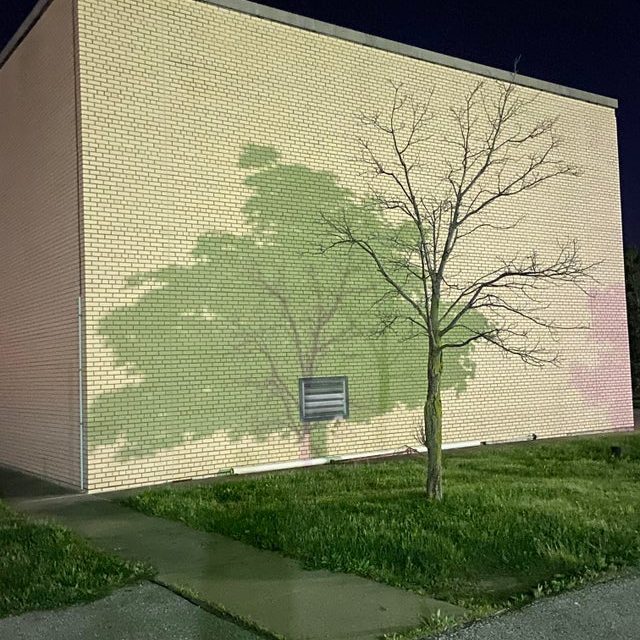
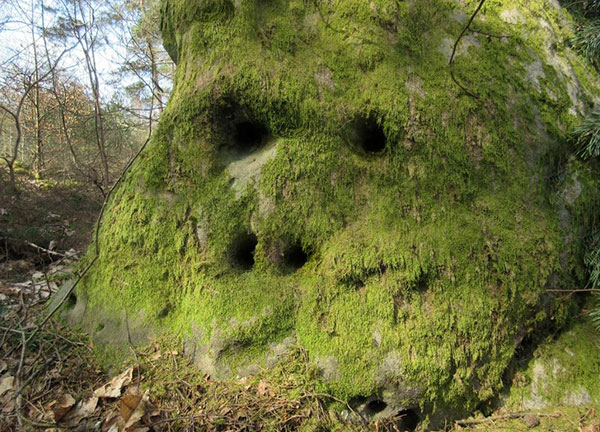
Explore nature’s visual tricks
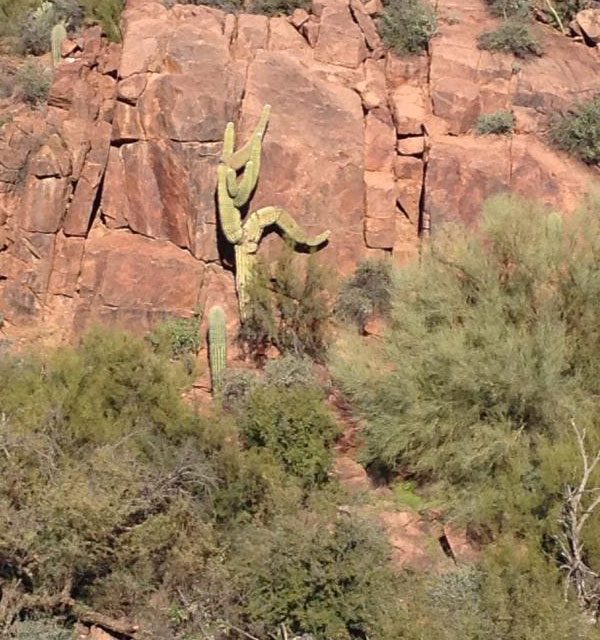
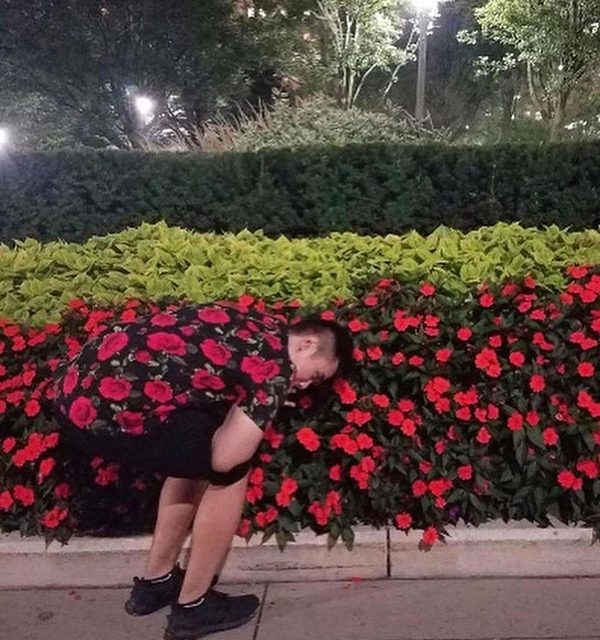
From hidden animals and remarkable rock formations to strange clouds, unusual trees, and impossible reflections, every image below reveals another way nature can surprise us. Before reading the explanation, take a moment to guess what’s really happening. You might discover that your eyes are easier to fool than you expected.
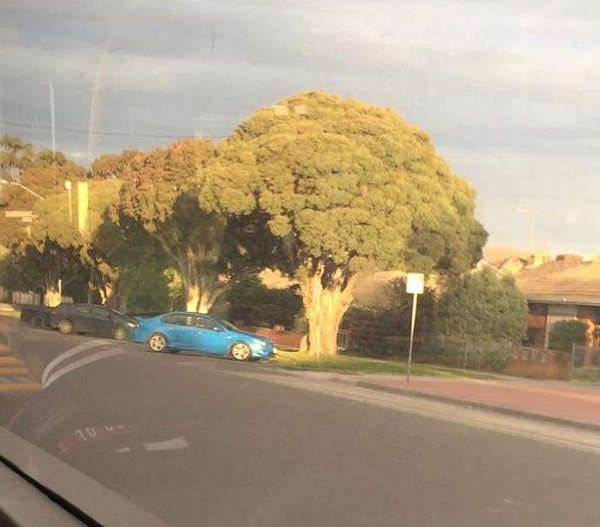
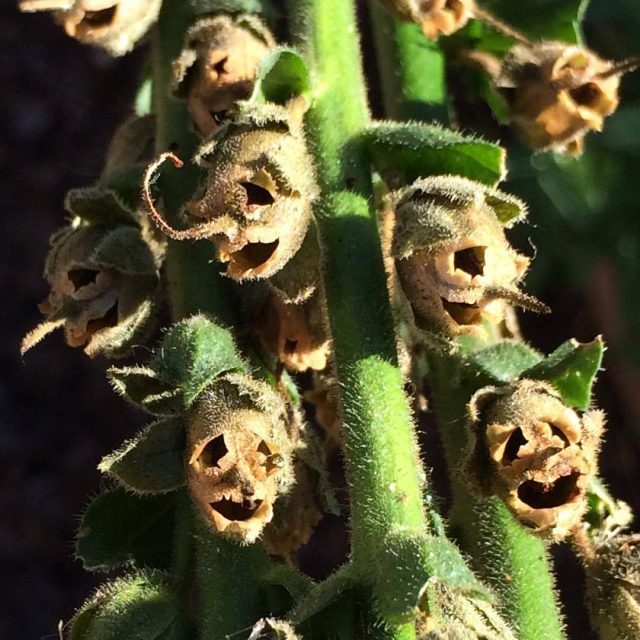
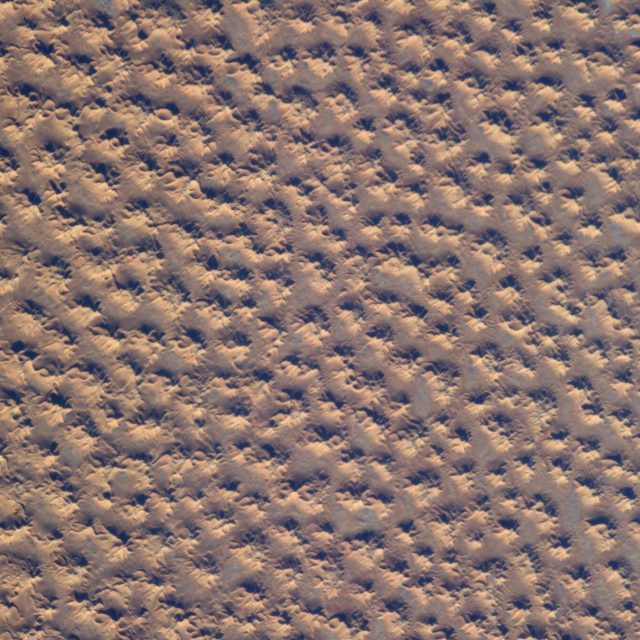
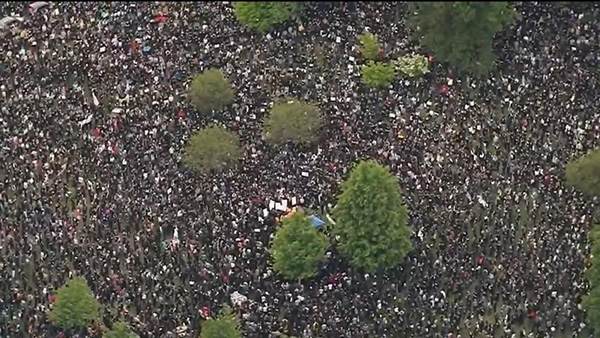
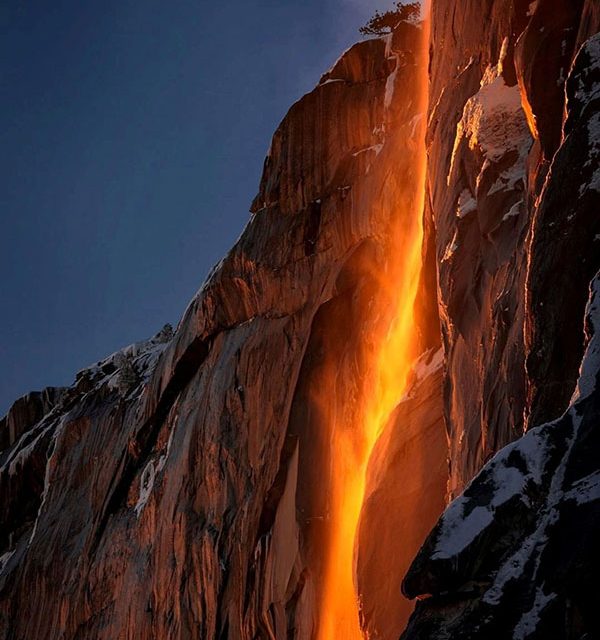
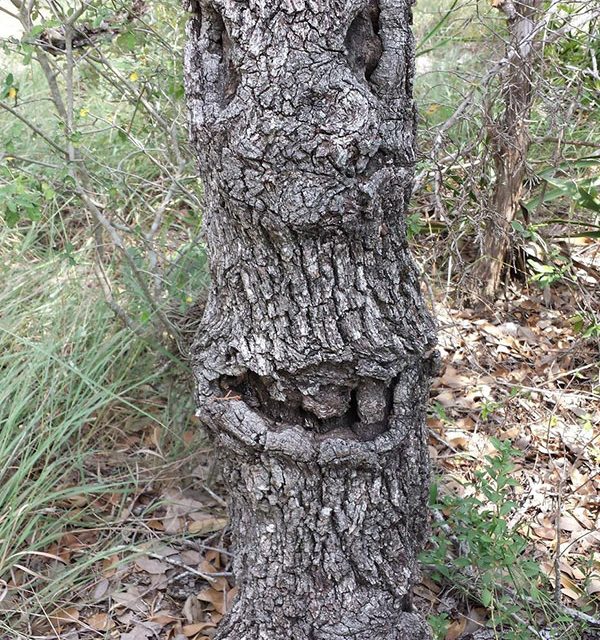
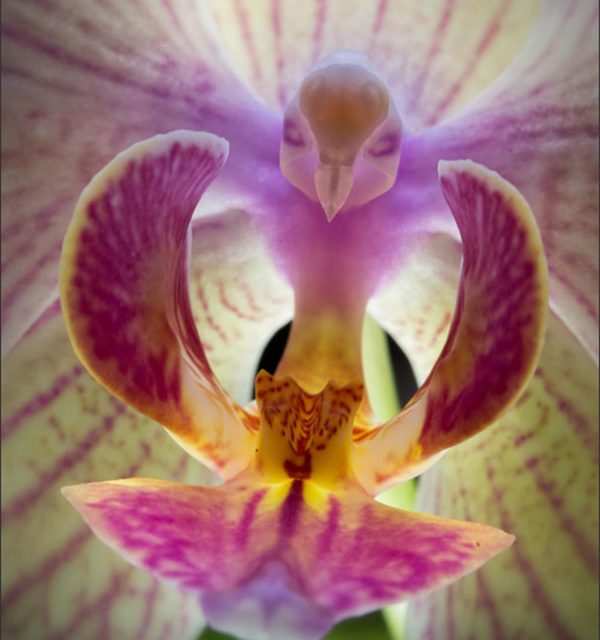
Nature creates optical illusions in countless ways. Explore hidden faces in trees, or in rocks, remarkable patterns in flowers, clouds that look like animals, and atmospheric phenomena that transform the sky itself. Each collection reveals a different way the natural world can fool our eyes.
Sun Dogs
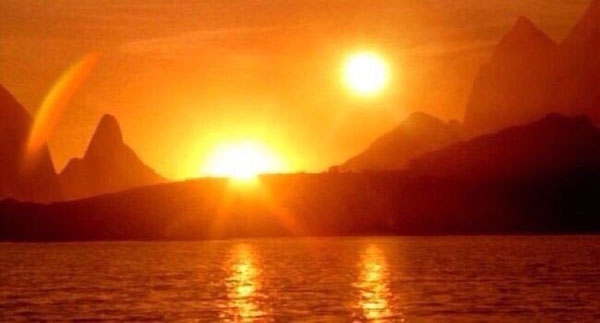
Every so often, a photo goes viral claiming to show two suns in the sky. It is usually paired with a dramatic explanation. “a rare Hunter’s Moon event”, “a shift in Earth’s orbit”, or even “the end days are coming”, or something like that. Are … Continue readingSun Dogs