
11 optical illusions with Category: Stairs
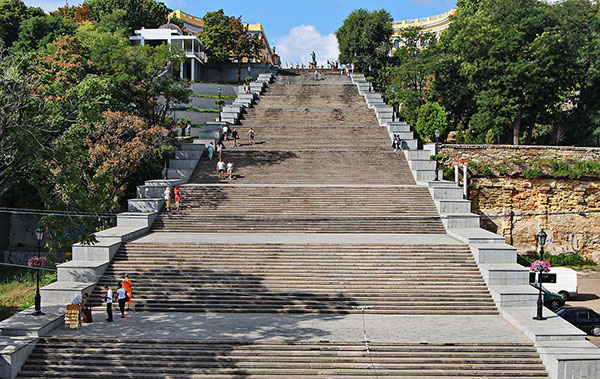
This is a collection of optical illusions involving stairs. Stairs are great for creating illusions because they play with our perception of depth and perspective.
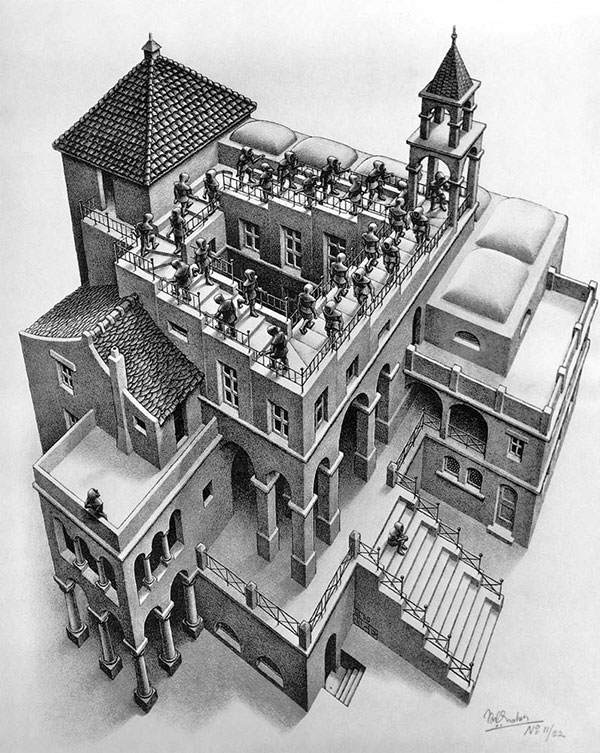
Ascending and Descending by MC Escher
Why stairs create amazing optical illusions
Stairs are one of the most fascinating subjects in optical illusions because they naturally suggest movement, direction, and depth.
We instinctively expect every staircase to lead somewhere, whether that’s up, down, or around a corner. When an image challenges those expectations, our brains struggle to make sense of what they’re seeing. The result is an illusion that can seem impossible at first glance.
Click on the images below to see the larger version and read the explanation of the optical illusion and the source/credit of the image.
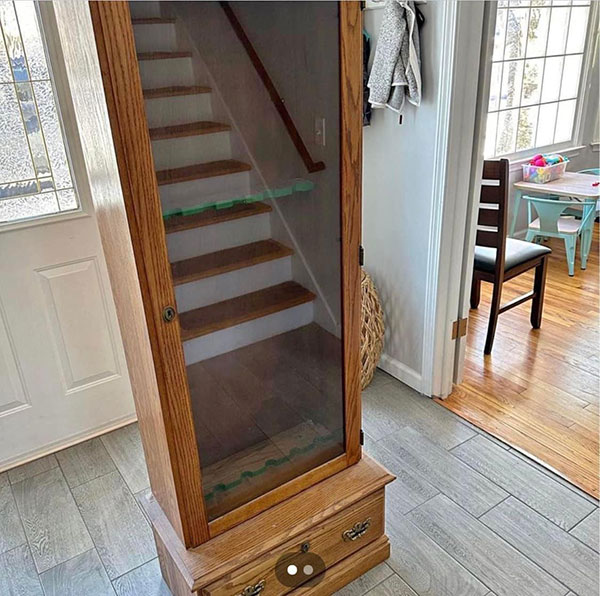
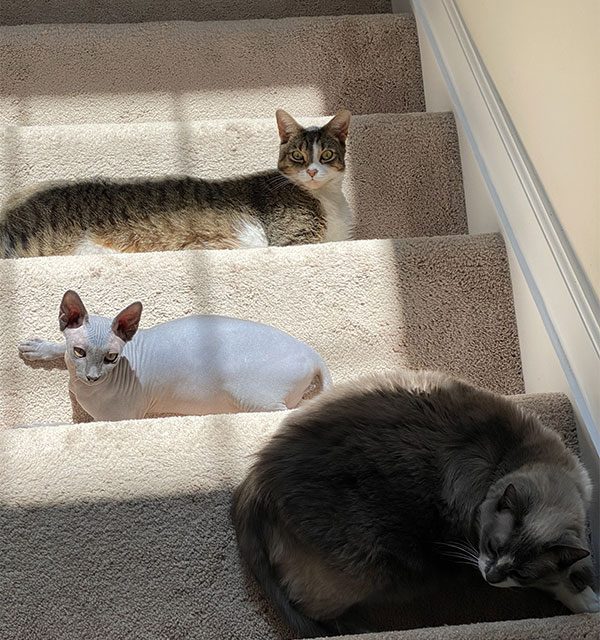
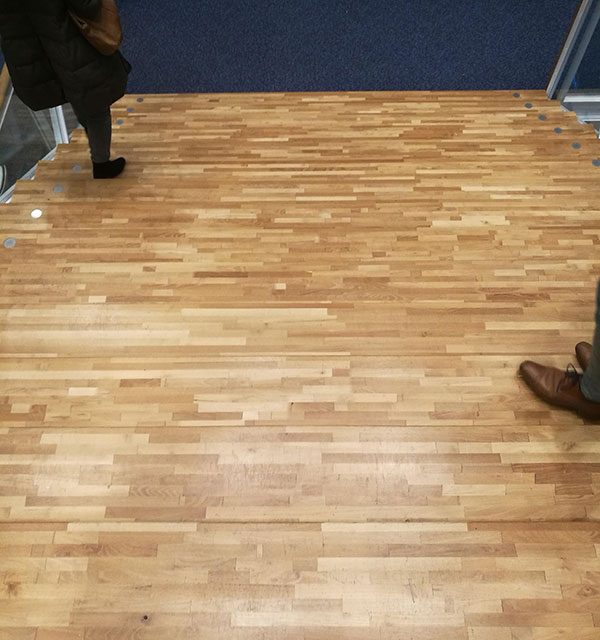
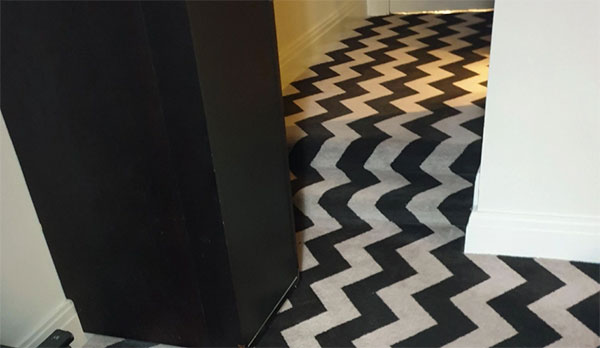
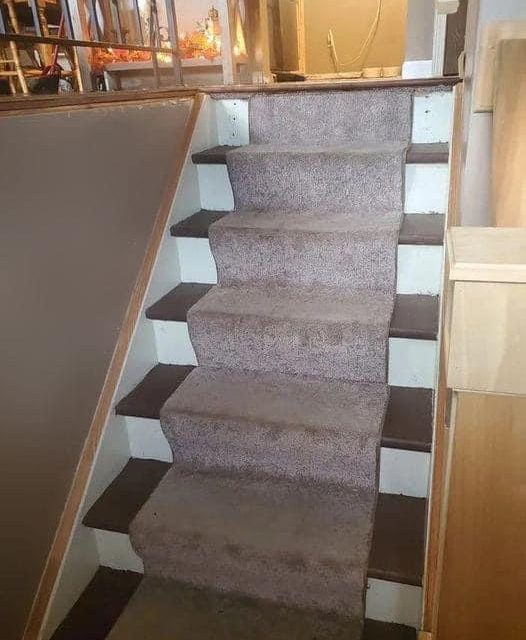
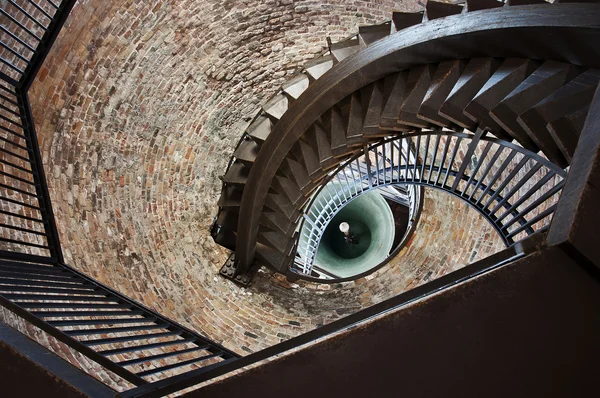
The impossible staircase
Perhaps the most famous staircase illusion is the Penrose stairs, also known as the impossible staircase. Designed by mathematician Lionel Penrose and his son Roger Penrose in 1958, the staircase appears to climb or descend forever while forming a continuous loop.
Although such a staircase cannot exist in three-dimensional space, it inspired one of the most iconic illusion artworks ever created: Ascending and Descending by M. C. Escher. In the famous lithograph, monks endlessly climb and descend an impossible staircase, creating a scene that seems perfectly logical until you try to follow the path.
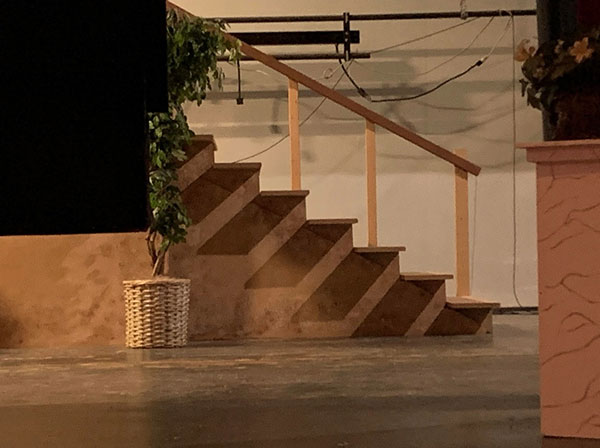
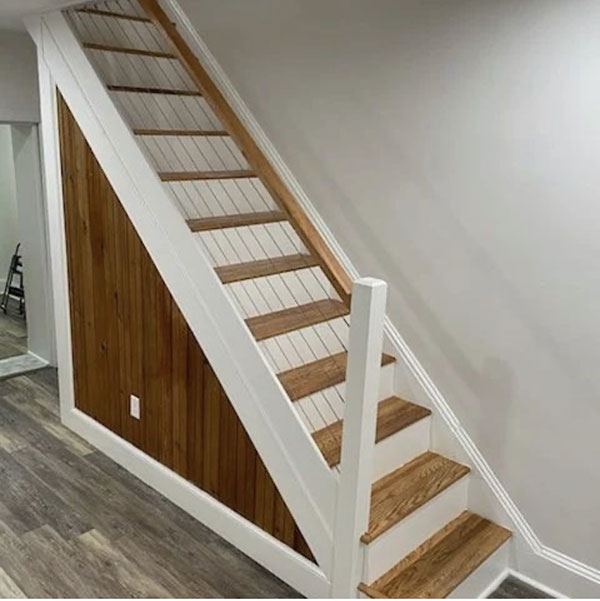
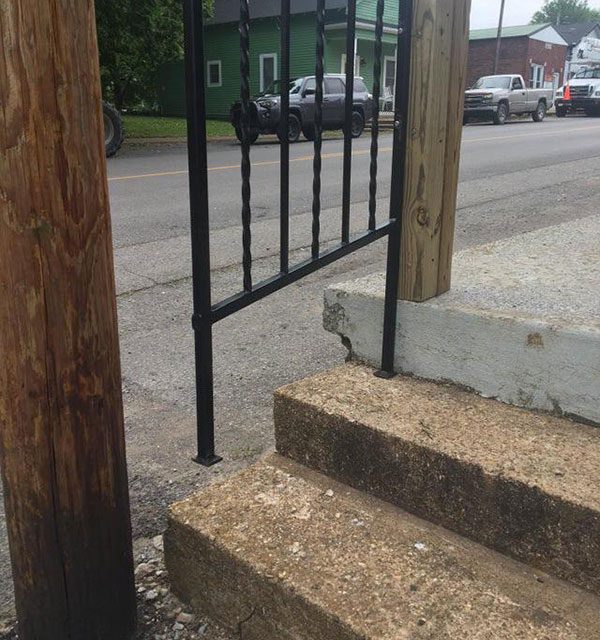
More than just impossible stairs
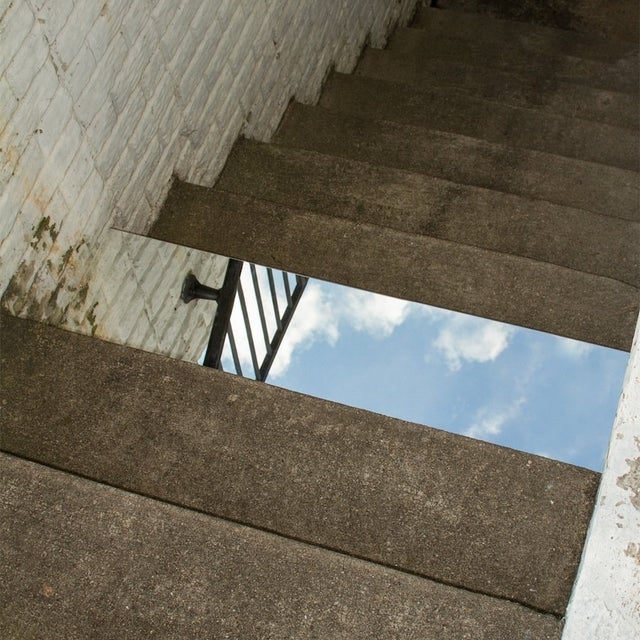
Not every staircase illusion relies on impossible geometry. Reflections, repeating patterns, forced perspective, and even shadows can completely transform the way we perceive a set of steps.
Whether it’s an everyday staircase that suddenly looks endless or a photograph that makes you question which way is up, these illusions demonstrate that perception is an active process.