

27 optical illusions with Category: Cars
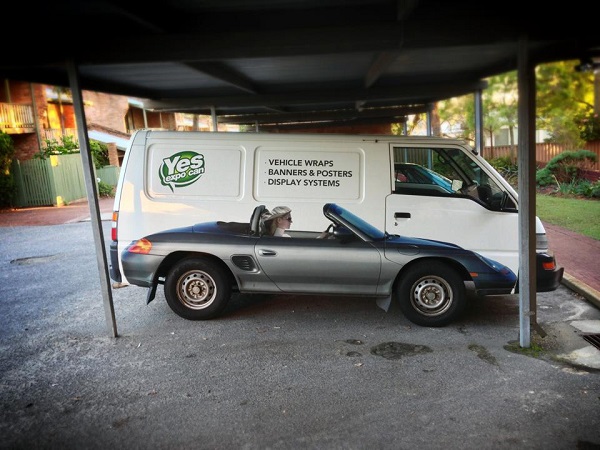
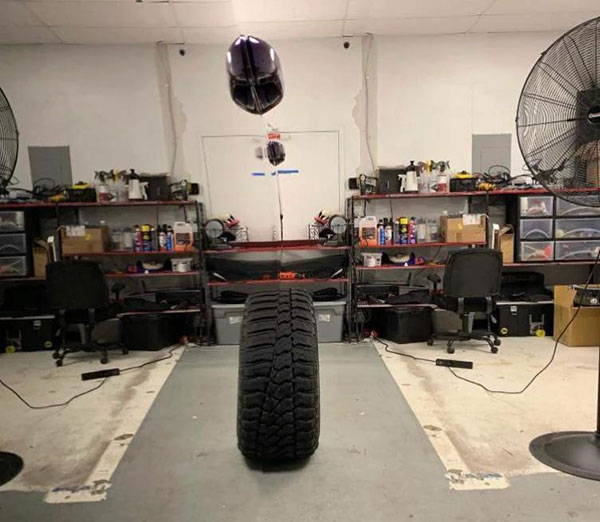
For all the automotive lovers out there, who enjoy optical illusions, Eyecon has this collection of optical illusions featuring cars and trucks.
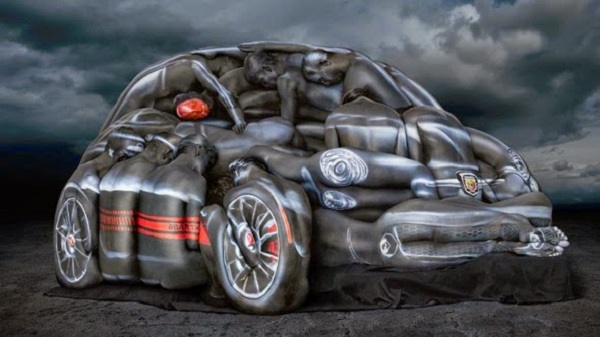
Click on the images below to see larger versions and read the explanation of the optical illusion and the source/credit of the image.


Why cars create great optical illusions
Cars are among the easiest objects for our brains to recognize. Even from a distance, we can identify a vehicle from its headlights, roofline, or silhouette. Because our brains are so familiar with the shape of a car, even small changes in perspective or lighting can create surprisingly convincing optical illusions.
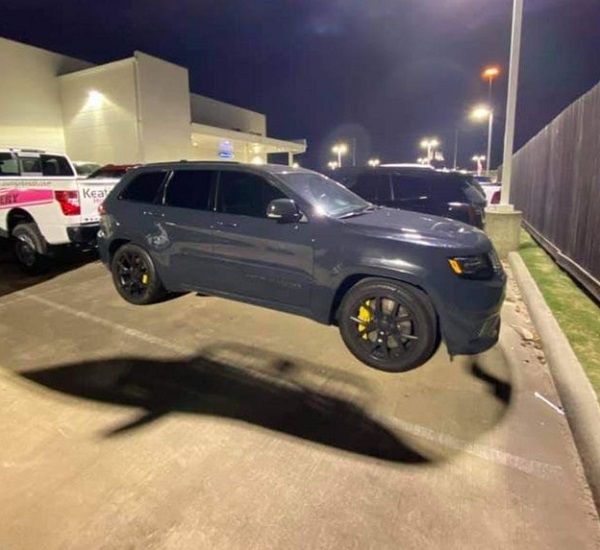
A perfectly timed photograph can make a tiny car appear gigantic, while an unusual camera angle can make a parked vehicle seem to float or disappear altogether.
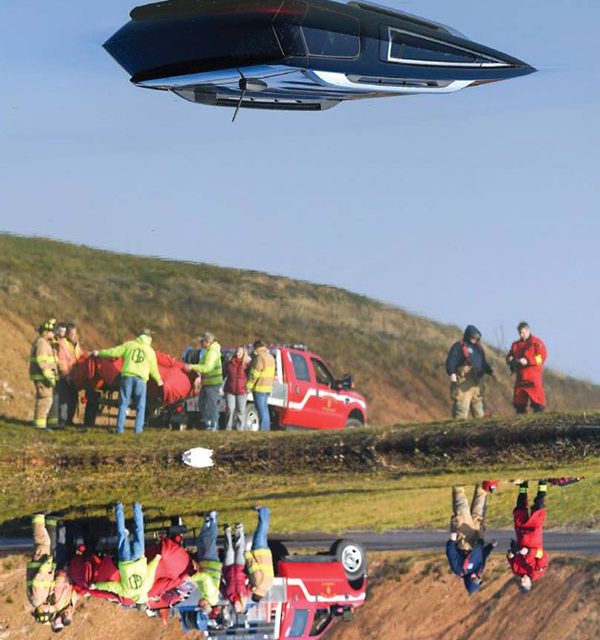
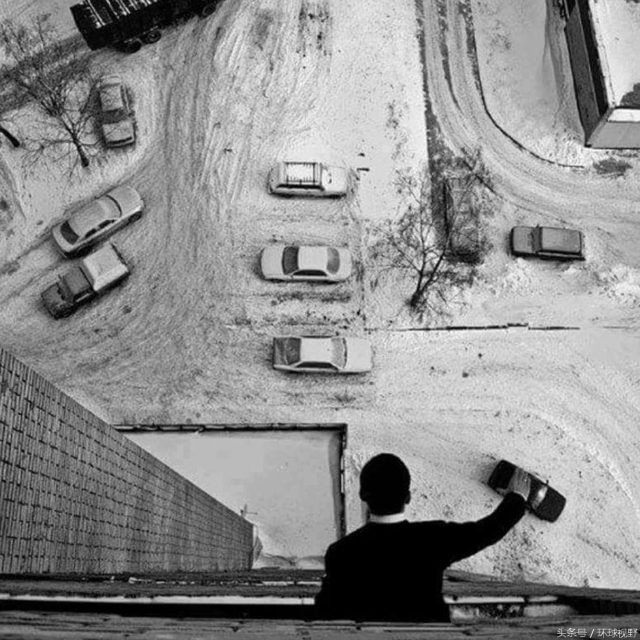
180 degrees
click to see the illusion

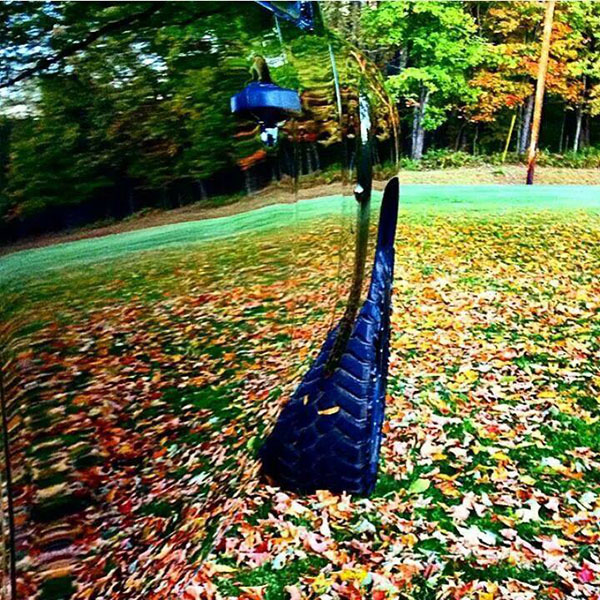
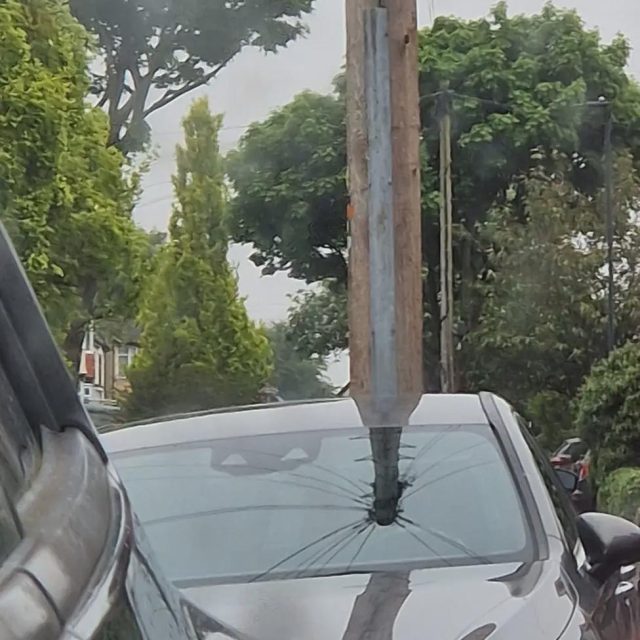
Reflections can completely transform a car
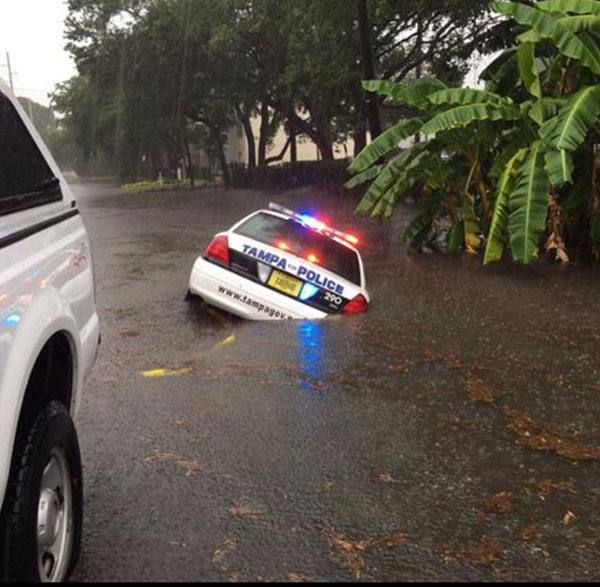
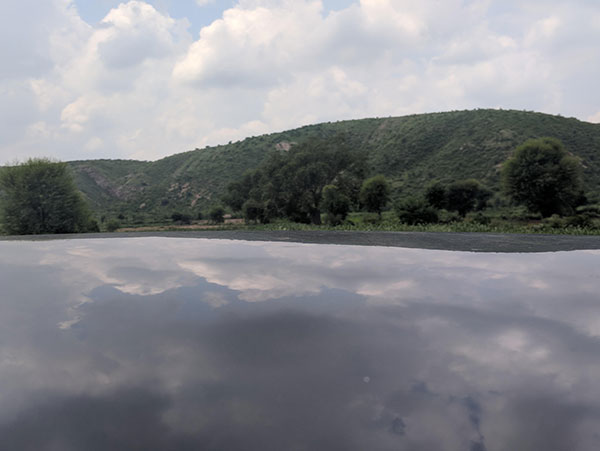
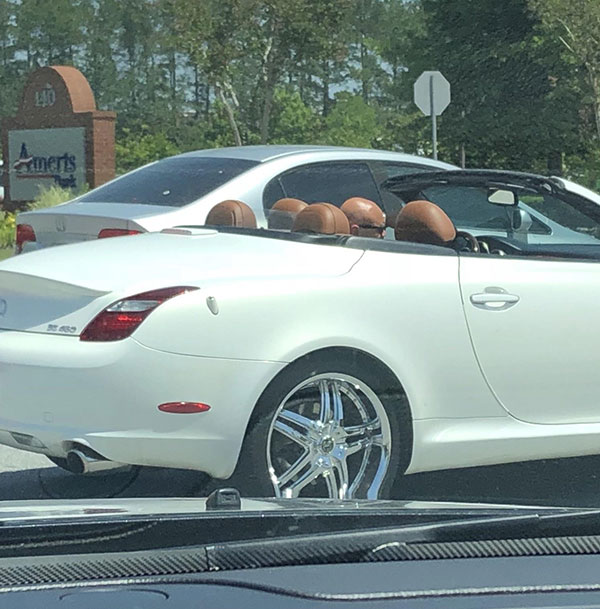
Many of the optical illusions in this collection are caused by reflections. A shiny car can mirror the sky, nearby buildings, or another vehicle so perfectly that parts of the car seem to disappear.
Reflections can also create the illusion of objects passing straight through the vehicle. Because our brains struggle to separate the real object from its reflection, these photographs often require a second or third look before they make sense.
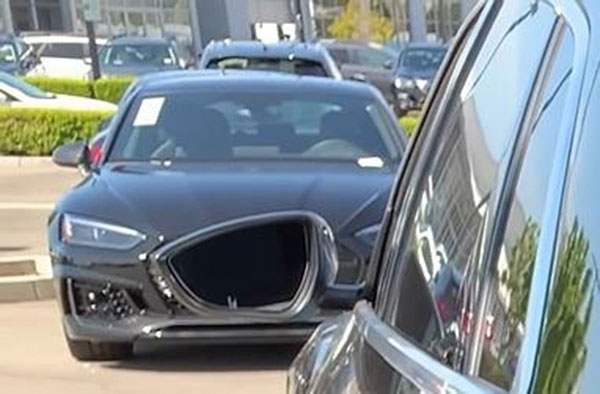
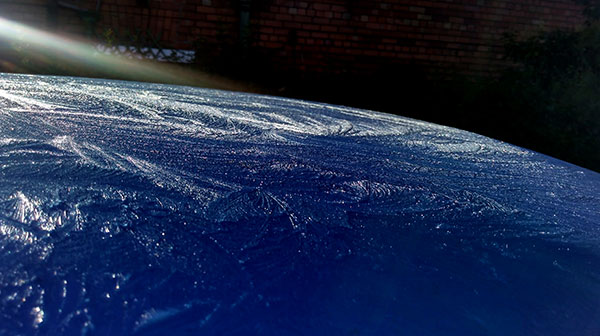

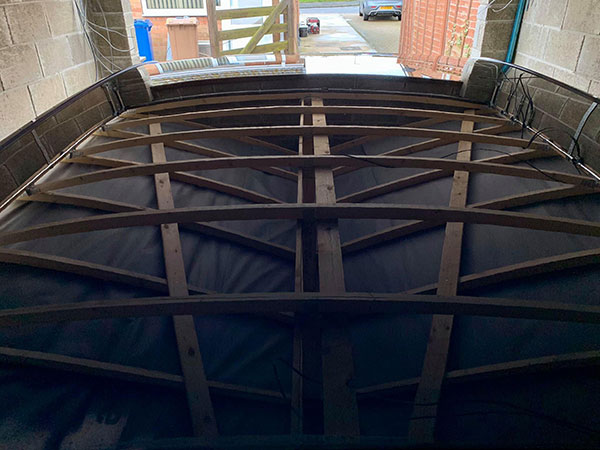

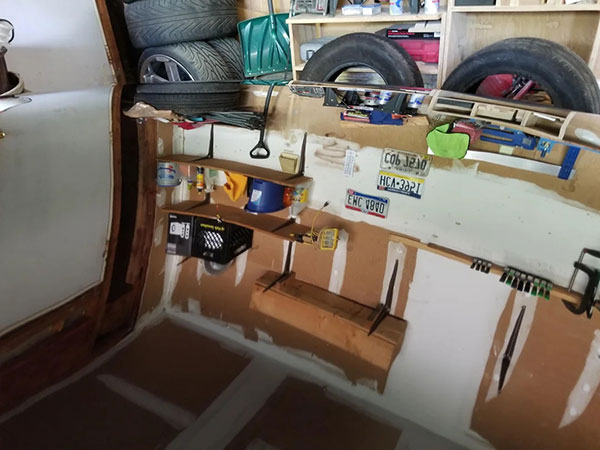
Perfect timing makes the impossible possible
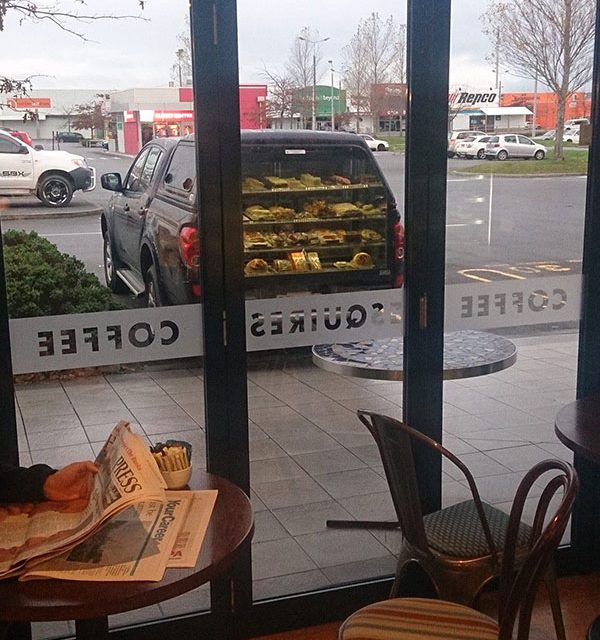
Some of the funniest car illusions last for only a fraction of a second. A passing cyclist may line up perfectly with a car, creating the appearance of impossible wheels. A reflection in a window can seem like a passenger who isn’t really there. Even the shadow of a nearby object can dramatically change the way a vehicle appears. These accidental moments show how a single photograph can fool our perception far more easily than real life.
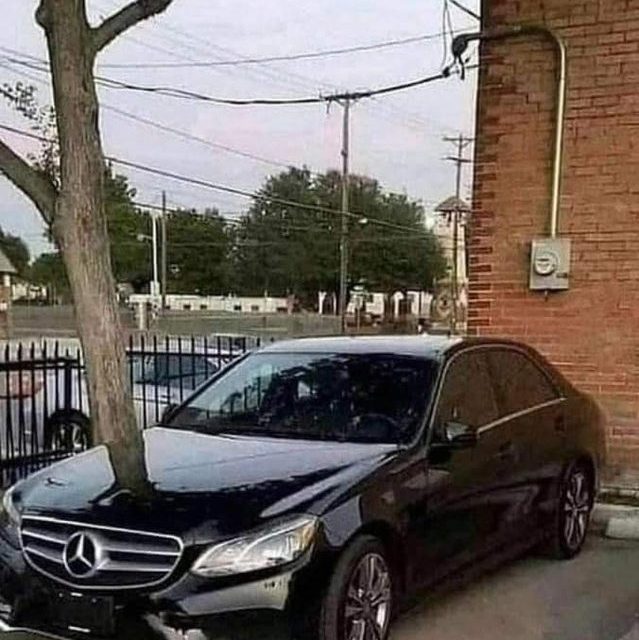
Cars can teach us how vision works
Although these images are entertaining, they also reveal something important about human perception. Your brain doesn’t simply record what your eyes see. Instead, it constantly interprets colours, reflections, shadows, and perspective to build a coherent picture of the world.
Most of the time it gets things right—but every now and then, a perfectly timed reflection or an unusual viewing angle exposes just how much our brains rely on educated guesses.
Cars in advertising and visual tricks
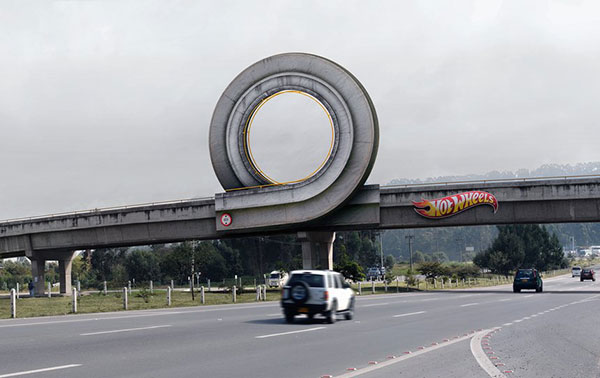
Optical illusions aren’t just found in funny photographs. They’re also used professionally. Advertisers and filmmakers often rely on perspective, miniature models, reflections, and camera angles to make cars appear faster, larger, or more dramatic than they really are.
Even before computer-generated imagery became common, many famous car commercials used scale models and carefully designed miniature landscapes that looked completely realistic on camera. It’s a reminder that the same visual principles behind optical illusions are used every day in photography, filmmaking, and advertising.