36 optical illusions with Category: People
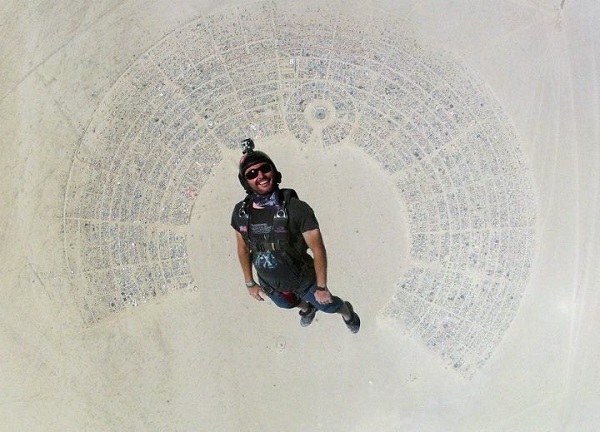
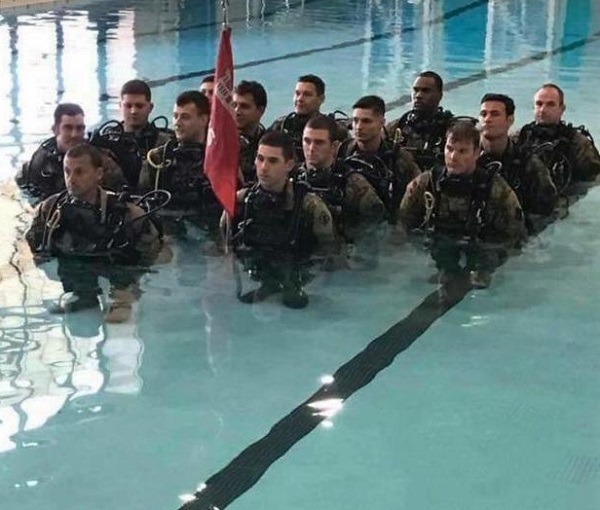
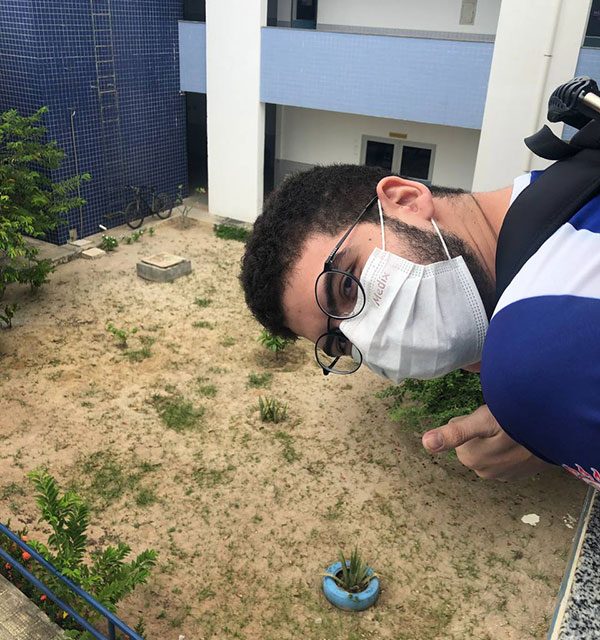
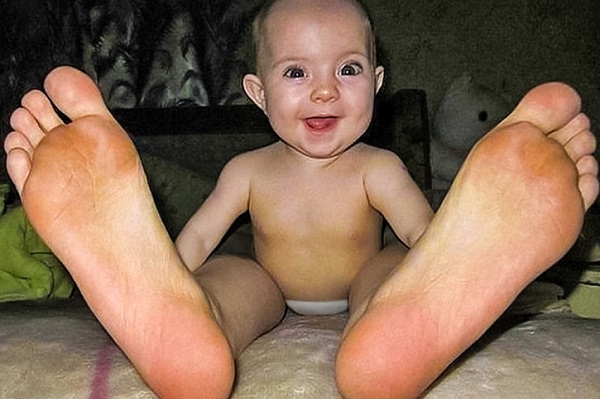
People make some of the funniest and most convincing optical illusions. A perfectly timed photograph, an unusual camera angle, or a clever use of perspective can transform an ordinary person into something that seems completely impossible.
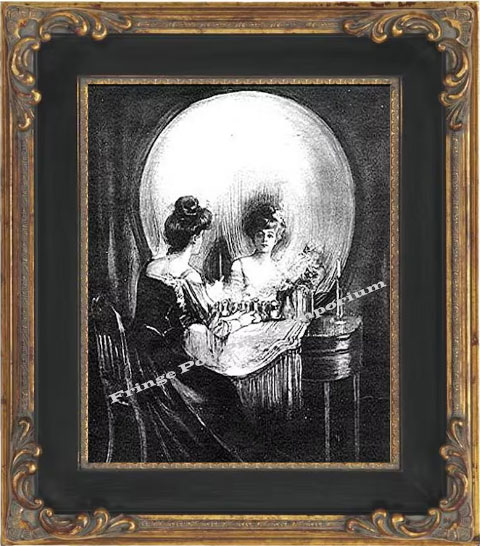
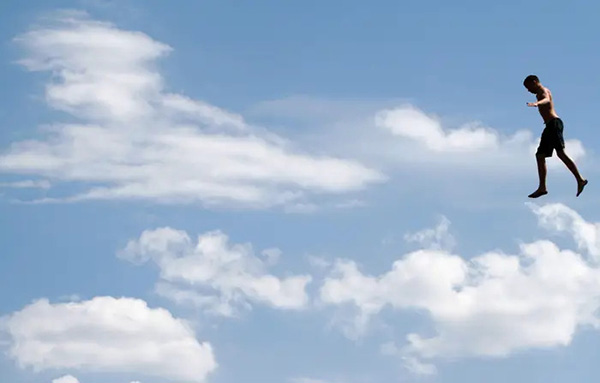
One glance might make it look as though someone has incredibly long legs, a tiny body, an extra arm, or is floating effortlessly above the ground. Look again, and you’ll realize your brain has been fooled by the scene rather than by any digital editing.


Why Do Human Optical Illusions Fool Us?
The human brain has evolved to recognize people almost instantly. We are incredibly good at identifying faces, body shapes, posture, and movement, often within a fraction of a second.
Because our brains expect the human body to follow familiar proportions and anatomy, even small changes in perspective can create striking illusions. A hidden limb, an overlapping shadow, or someone standing slightly closer to the camera can completely change what we think we’re seeing.
Instead of carefully analysing every detail, the brain fills in missing information using past experience. Most of the time this works remarkably well. Occasionally, however, it produces an image that seems impossible until you look more closely.

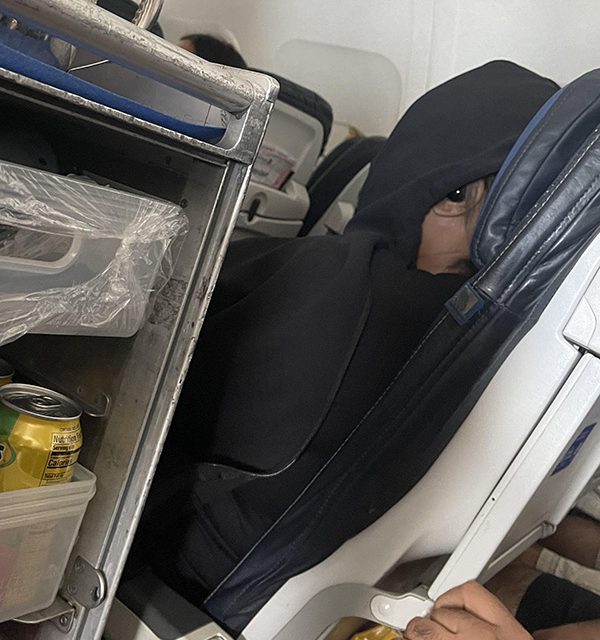
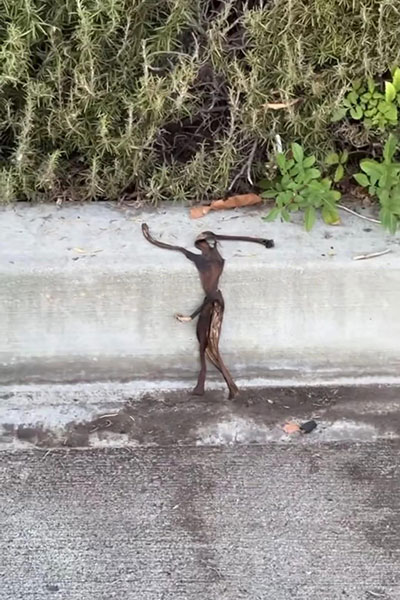
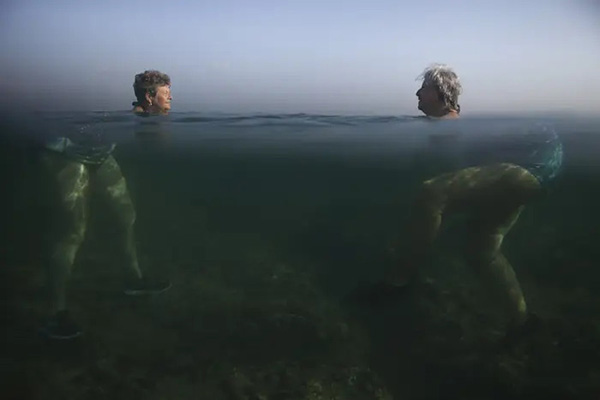
Different Types of People Illusions
Many human optical illusions rely on one or more well-known visual principles.
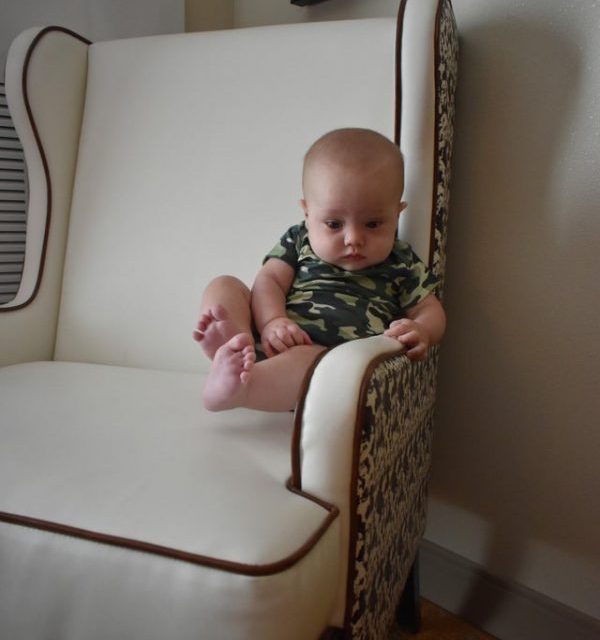
- Forced perspective can make a person appear gigantic or miniature simply by changing their distance from the camera.
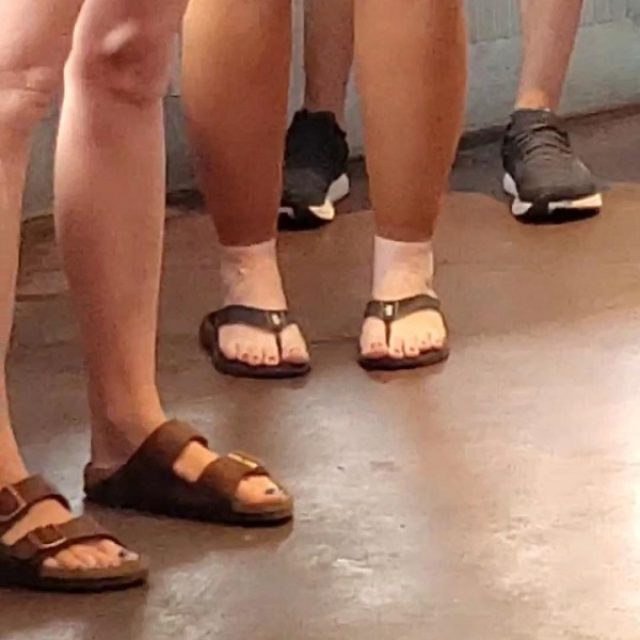
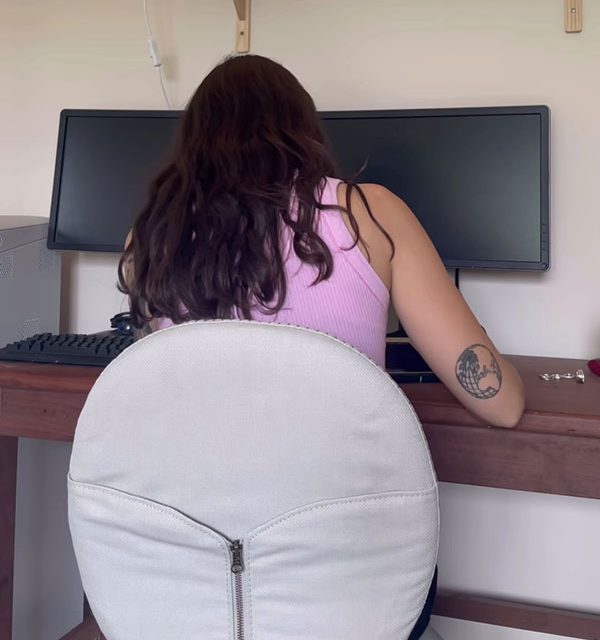
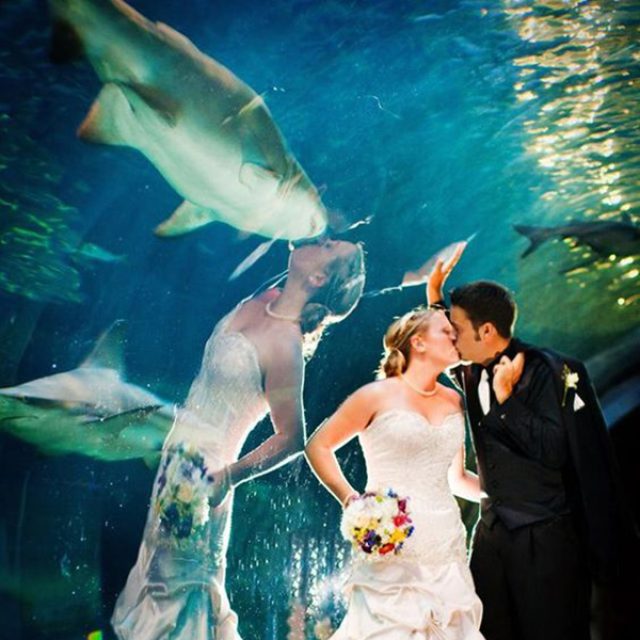
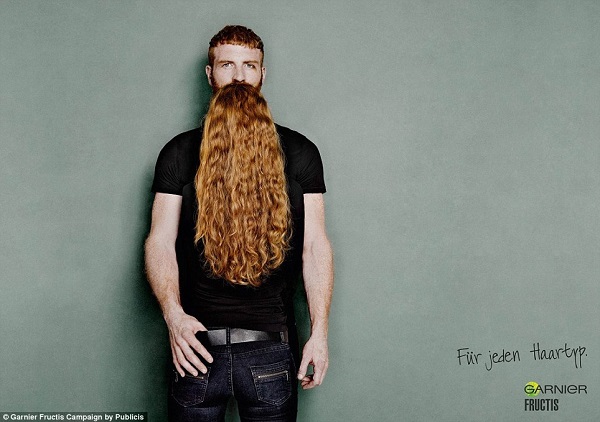
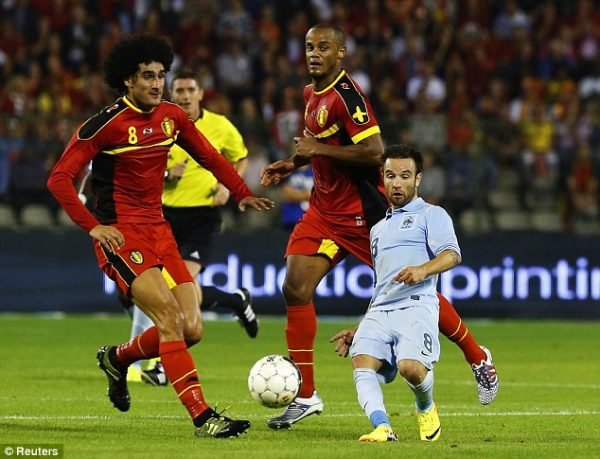
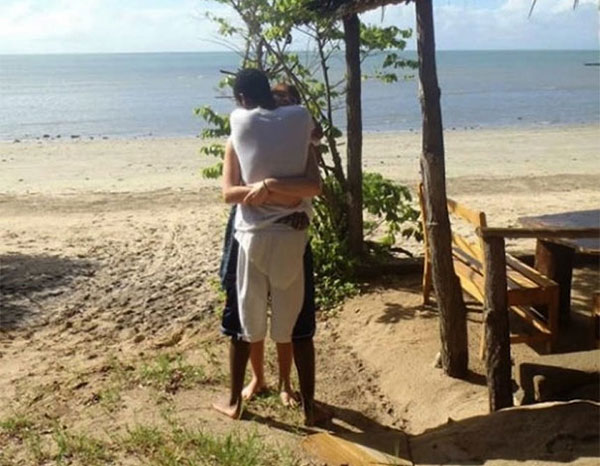
- Perfect timing captures two unrelated moments that briefly align, making someone appear to have wings, unusual hair, or an extra body part.
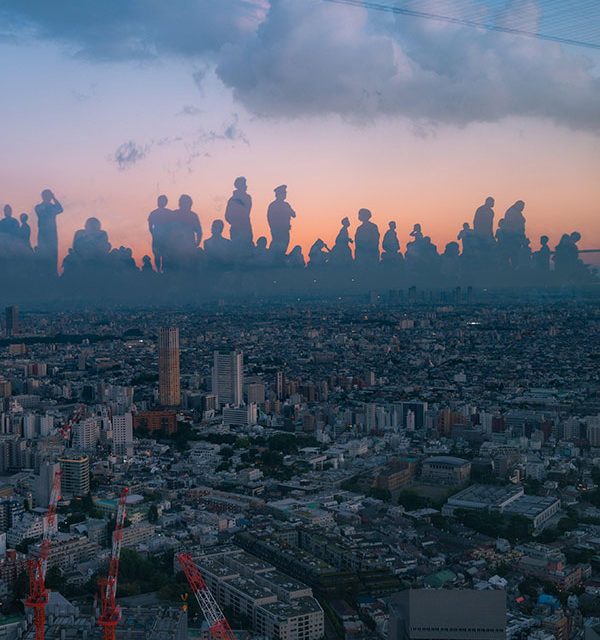
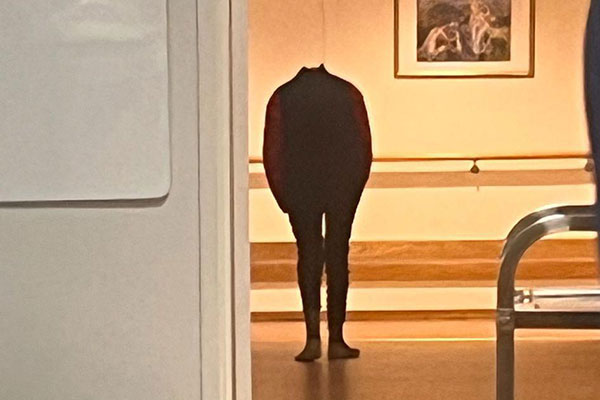
- Shadows and reflections can completely alter the shape of the human body, creating silhouettes or hidden figures that weren’t really there.
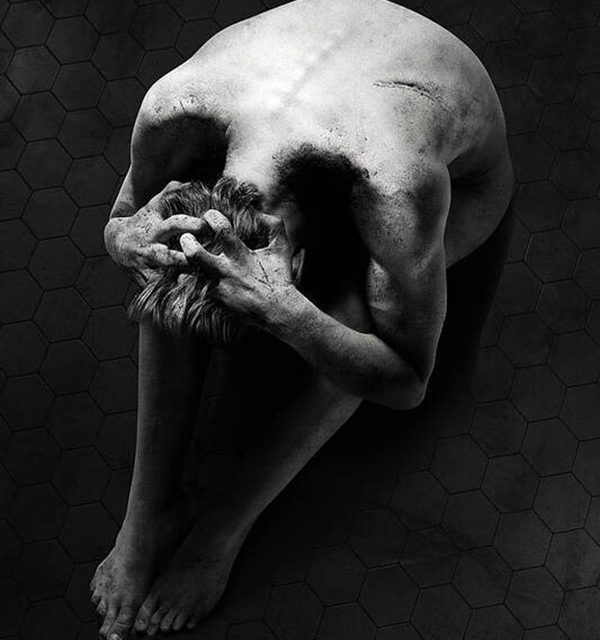
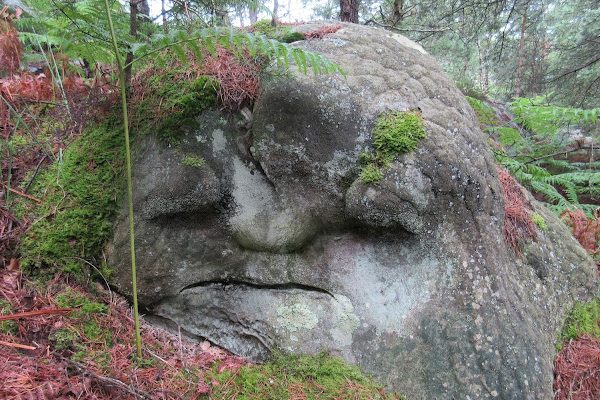
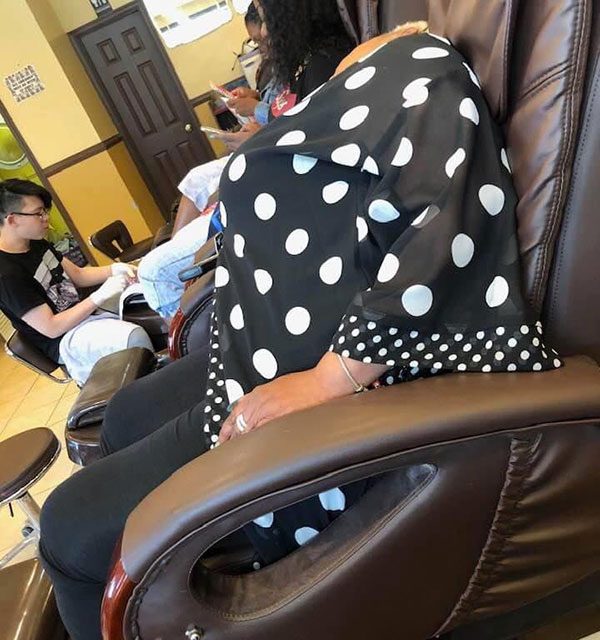
- Some images even rely on pareidolia, where our brains mistakenly combine different objects into a single person or face.
Although these photographs often seem unbelievable at first glance, most require nothing more than clever composition and perfect timing.
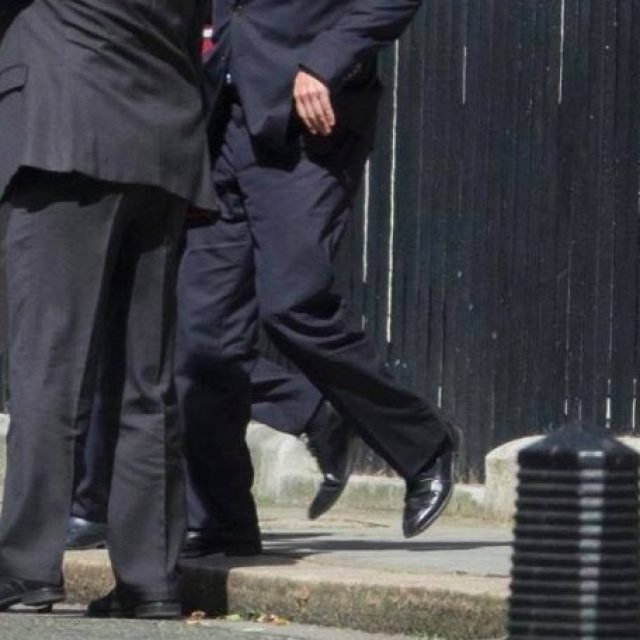
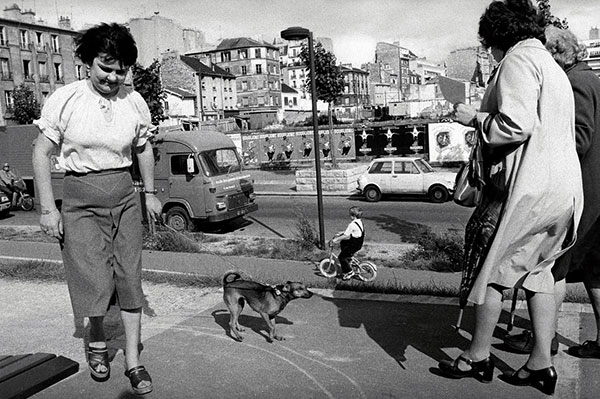
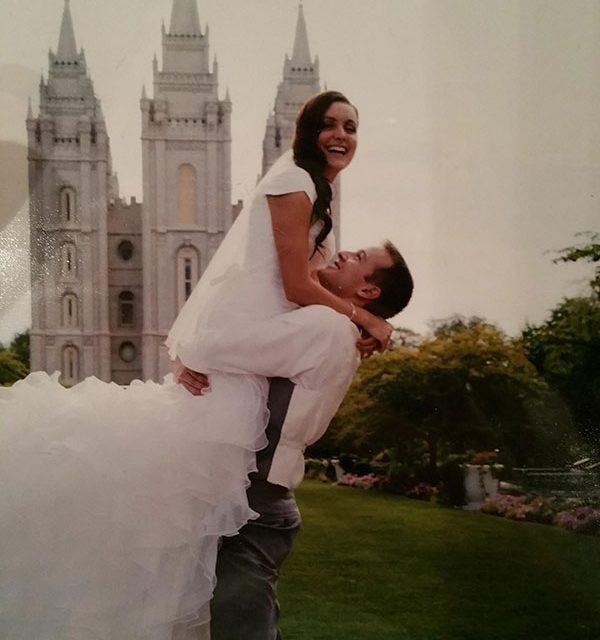

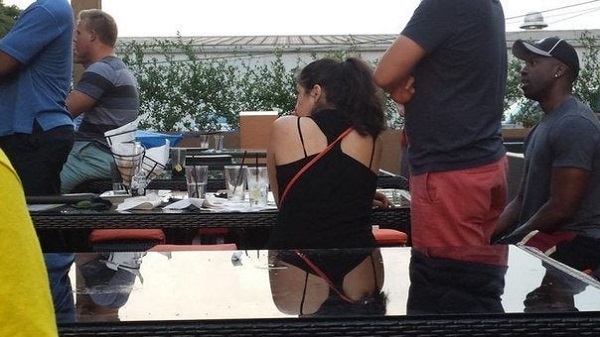
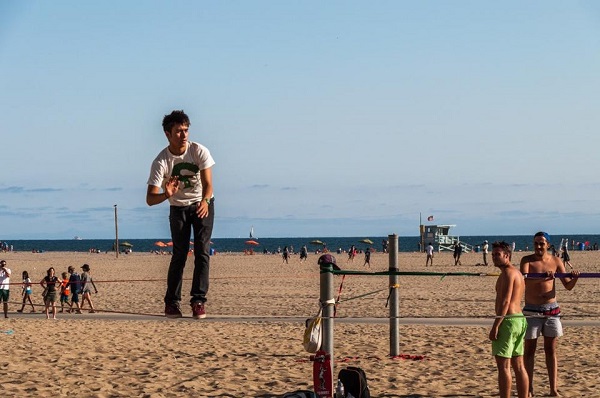
Like other visual illusions, these quirky photos happen because of a combination of perspective, light, and angle. Our brains rely on visual cues to interpret the world around us, but when those cues are skewed or incomplete, we’re left with a funny or confusing image that defies logic. Whether it’s a person that appears to have an unusually long arm, or someone seemingly floating in midair, these illusions make us pause and look again.
Some illusions happen because of how we perceive depth and proportion. If a person stands close to the camera and another stands farther away, our brain tries to make sense of the scene based on assumed distances.
When those assumptions are thrown off by the perfect alignment or when important visual cues are just outside the frame, the result can be a humorous illusion.
Fleeting moments, captured with precision, can turn everyday situations into mind-bending images that seem unreal.


Explore the Funniest People Optical Illusions
We’ve gathered a collection of funny and confusing photos where people are the stars of the illusion. Click on the images to see if you can figure out what’s going on before reading the full explanation. Some of them might be tricky, but that’s what makes them so entertaining!
As always, we’ve worked hard to credit the original photographers and social media posters. If you plan to share these images, please ensure you give proper credit to the rightful sources.
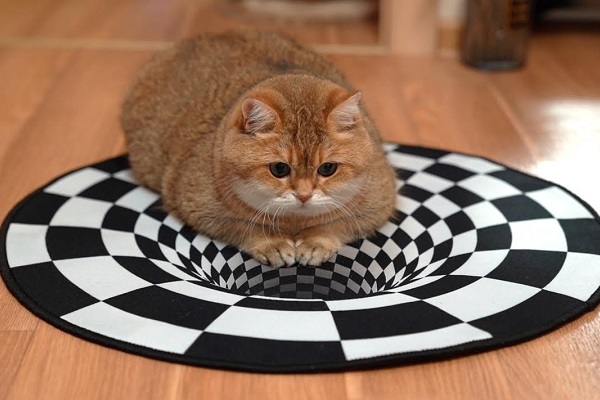
Not a people person? Maybe you like to see our collection of illusions with cats or dogs, or even illusions with cars.