
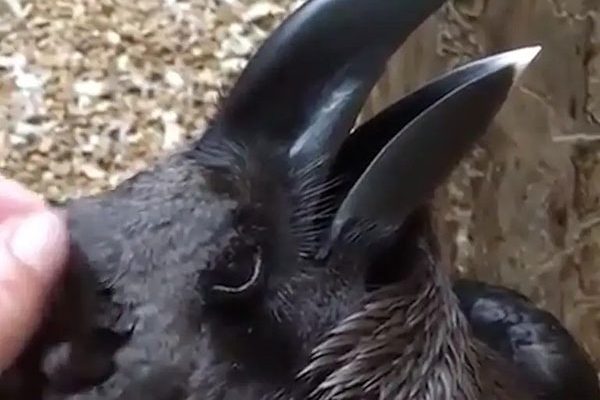

49 optical illusions with Category: a dirty mind
Welcome to one of the internet’s biggest collections of dirty mind optical illusions. These innocent-looking images have fooled millions of people into seeing something naughty that isn’t really there. Some are accidental photographs, others rely on perfect timing, unusual perspective, or shadows that create surprisingly suggestive shapes.
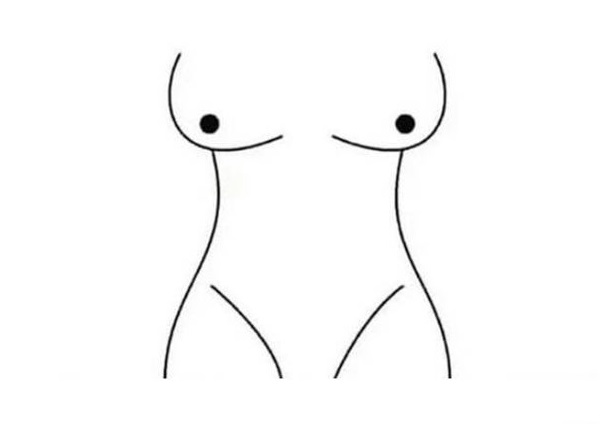
So… how dirty is your mind? Browse the sexy optical illusions below and see how many fool you before reading the explanation.
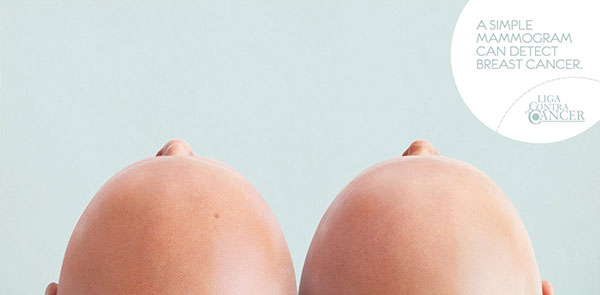



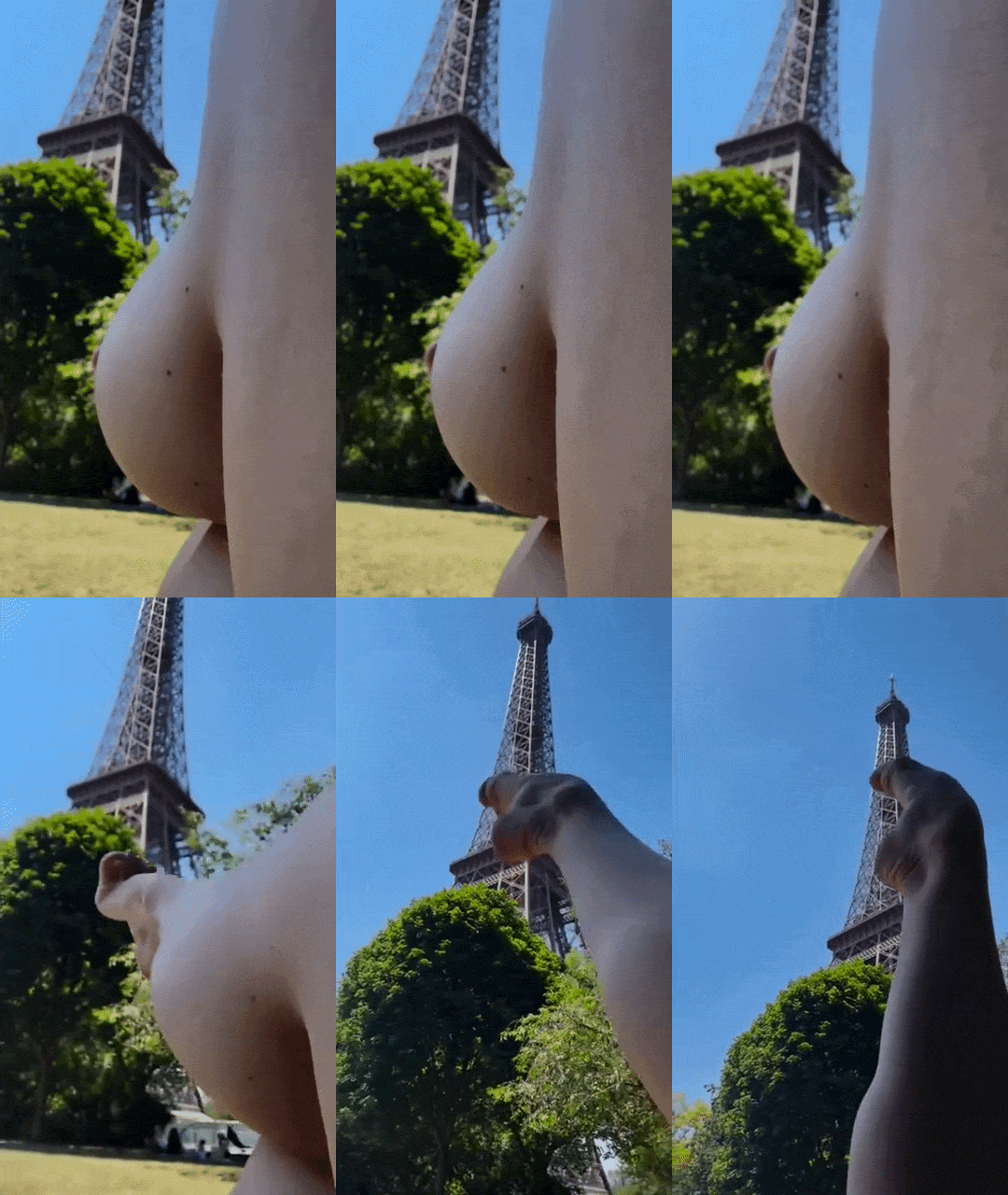

Why do innocent pictures look dirty?
Most dirty mind optical illusions rely on pareidolia, the brain’s tendency to recognize familiar shapes in random objects. A shadow, vegetable, tree branch, or reflection may accidentally resemble part of the human body, causing your brain to jump to the wrong conclusion.






Does seeing the dirty image mean I have a dirty mind?
Not necessarily. Everyone’s brain searches for familiar patterns. Some people notice the suggestive interpretation immediately, while others see only the innocent explanation until it’s pointed out.

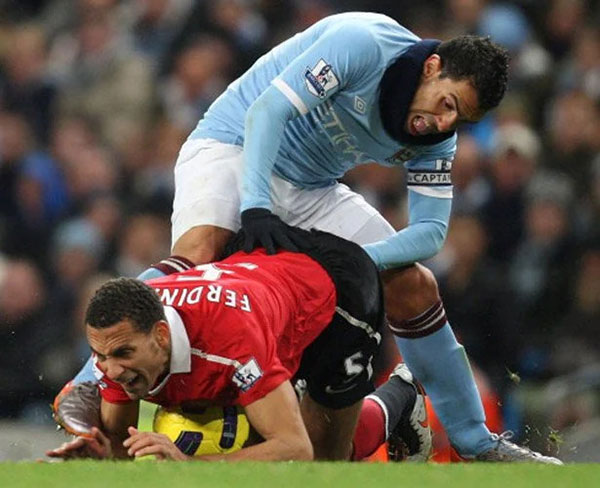


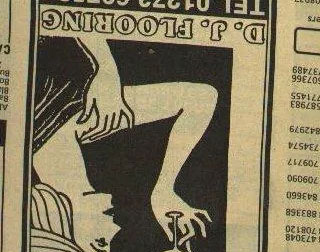
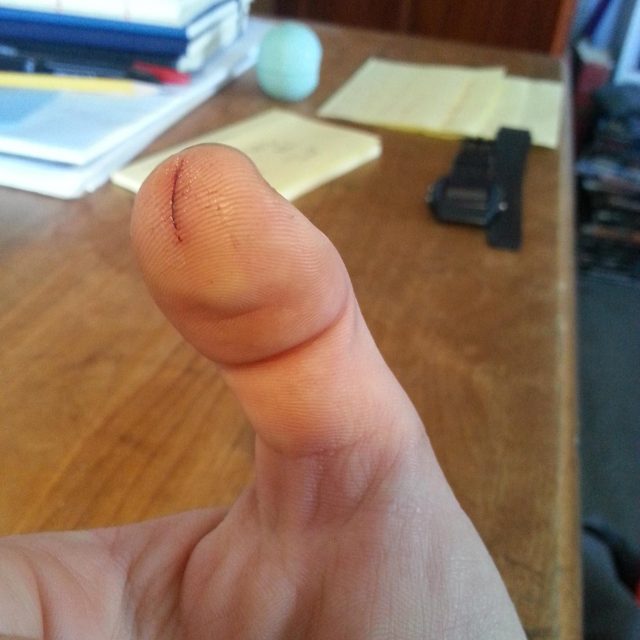
Human beings are especially good at recognizing the human body. We can identify faces, hands, and body shapes in a fraction of a second, even when they’re partially hidden or poorly lit.
Because of this remarkable pattern-recognition ability, our brains sometimes mistake completely innocent objects for suggestive body parts or intimate scenes. This doesn’t mean you have an unusually “dirty mind”. It simply reflects how efficiently the visual system searches for familiar biological shapes.
Context also plays a role. Once someone points out a hidden interpretation, it often becomes impossible to stop seeing it. We know this phenomenon as perceptual priming.






Why are dirty optical illusions so funny?
These images create a moment of surprise when your brain suddenly switches between two different interpretations. That unexpected change is one of the classic ingredients of humour.
Psychologists sometimes describe this as the incongruity theory of humor. We laugh when our expectations are suddenly violated in a harmless way. A perfectly innocent tree branch, shadow, or household object unexpectedly resembles something completely different, and slightly naughty. The contrast creates the joke.
That’s why these images are so popular on social media. They are not explicit. They are puzzles that rely on the viewer’s imagination.






Can Your Brain Be “Too Dirty”?
Studies suggest that people differ in how quickly they recognize certain visual patterns. Personal experiences, mood, expectations, and even recent conversations can influence what you notice first. One person may immediately spot a suggestive shape, while another only sees the innocent explanation. Neither perception is more “correct”. They simply reflect how the brain prioritizes different interpretations.


Gavin’s “girl” friend
Source/credit: Gavin of Sneaky Cycles


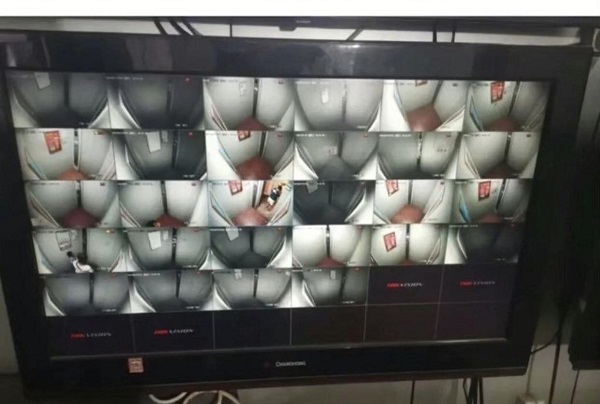
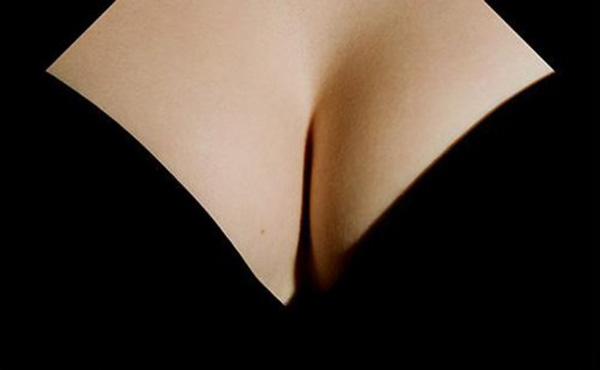
Which one is your favorite sexy optical illusion? Do you find these innocent images too raunchy or not suitable for work?
No worries, we also have a great collection of optical illusions with animals. And even collections of optical illusions with stairs or cars.