optical illusions with Category: Animals
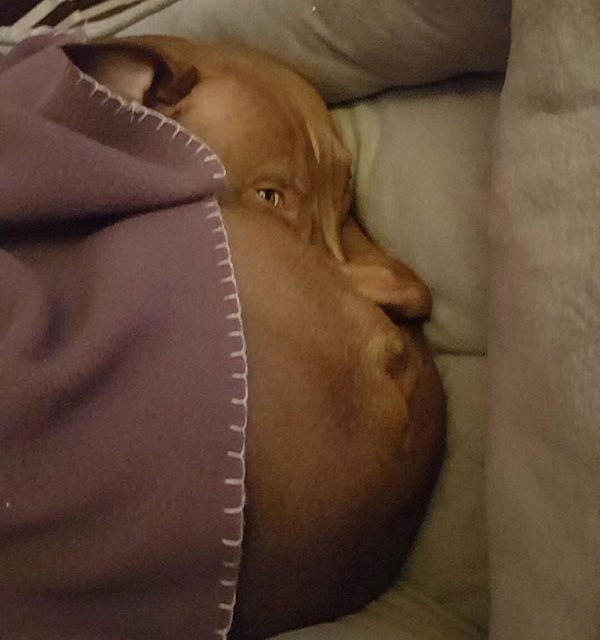
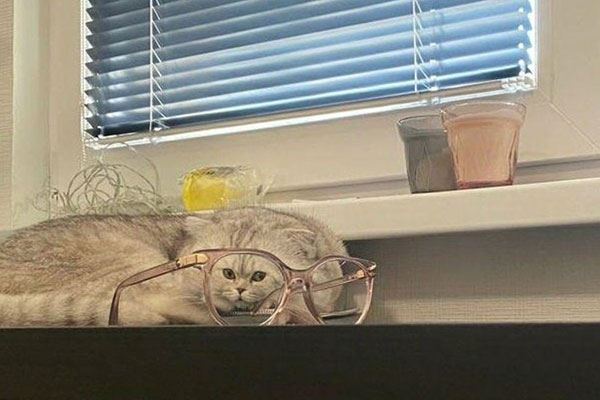
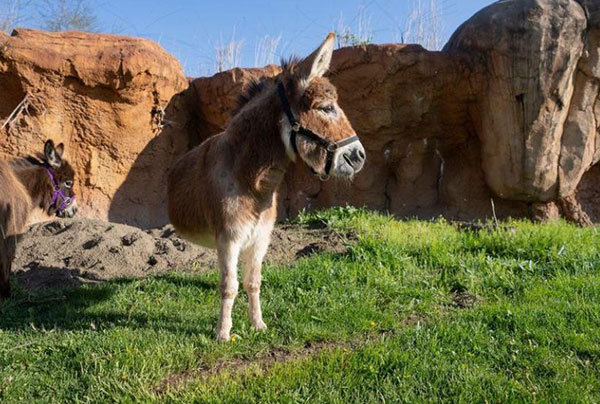
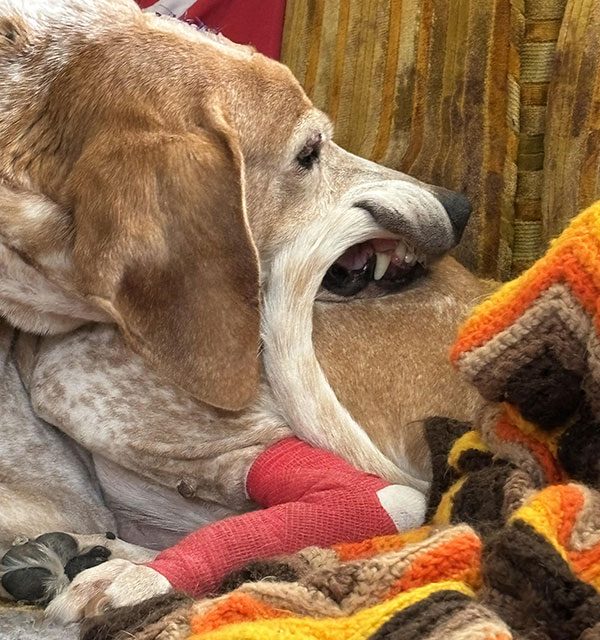
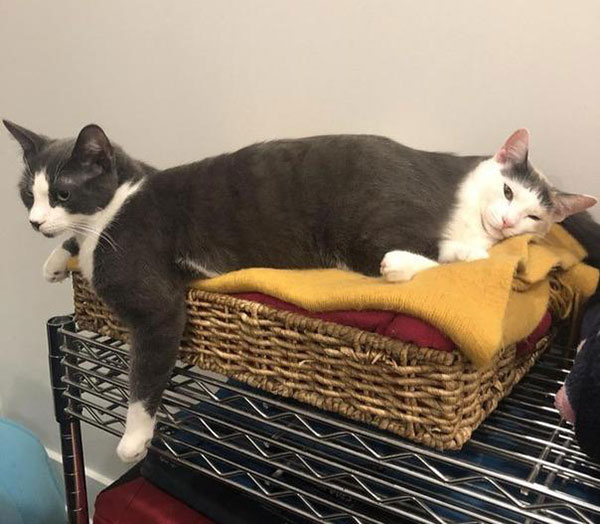
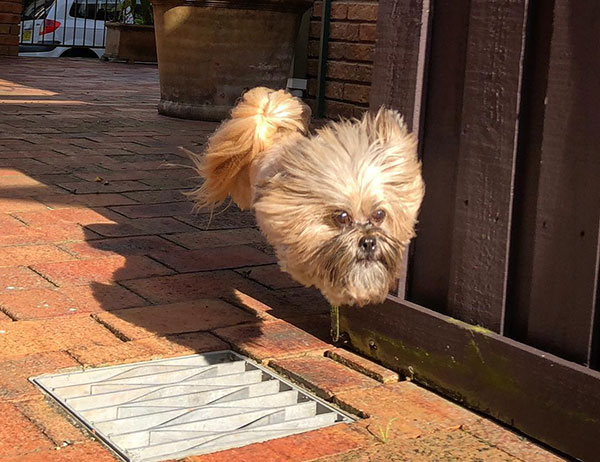
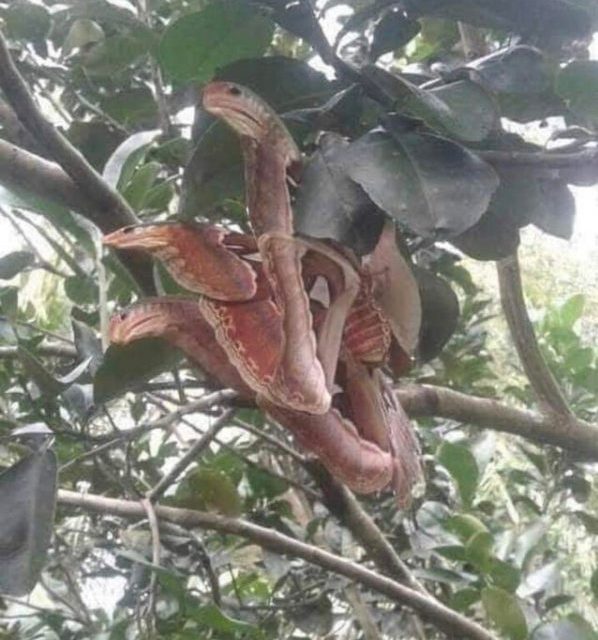
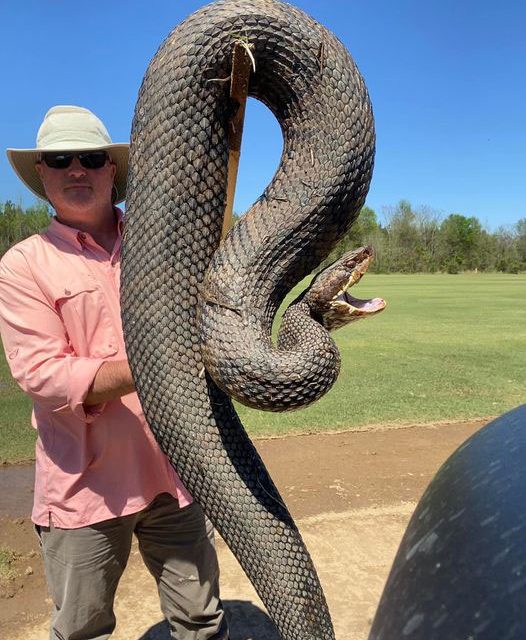
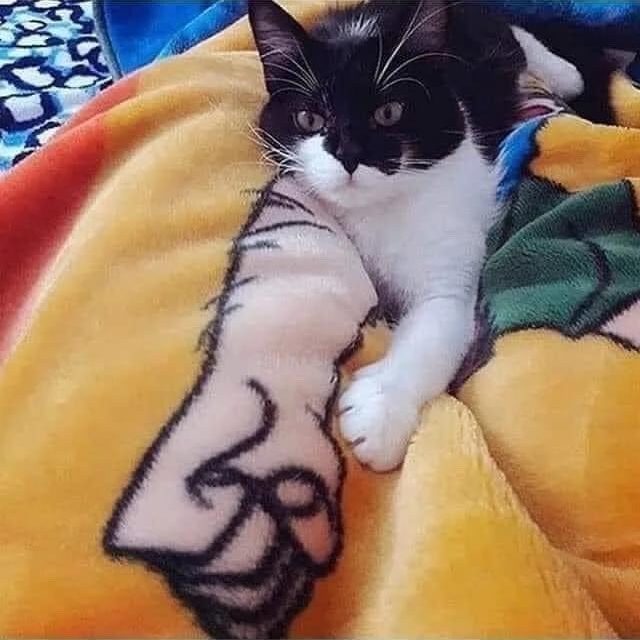
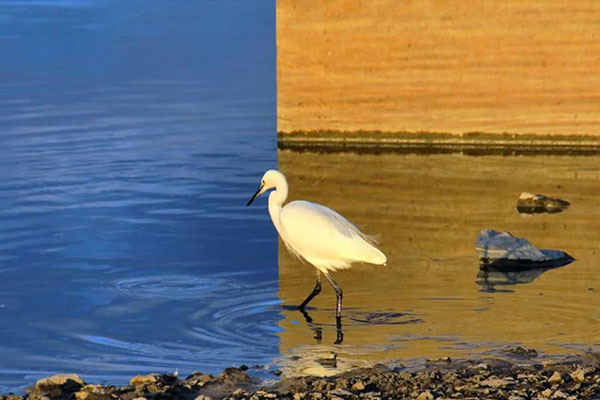
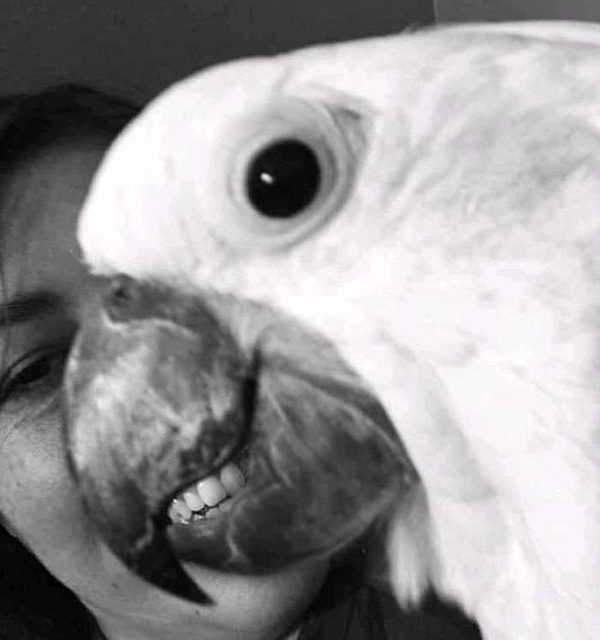
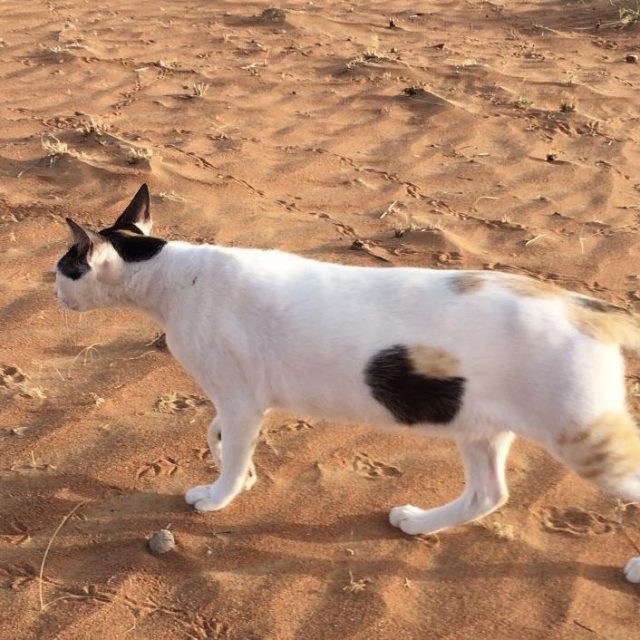
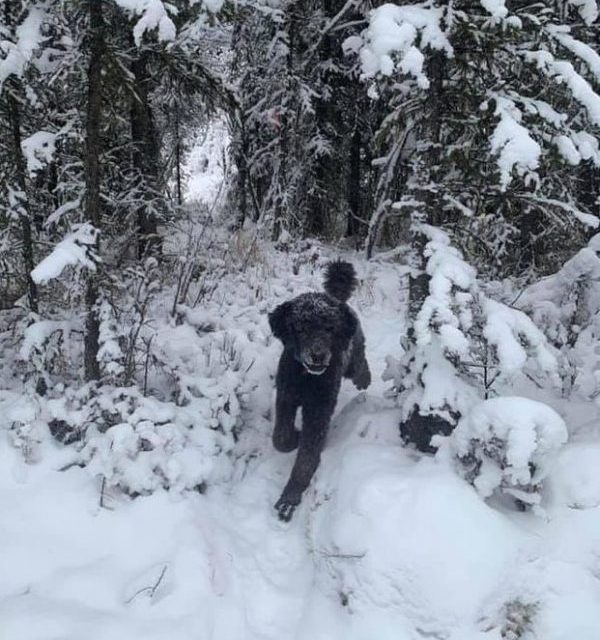
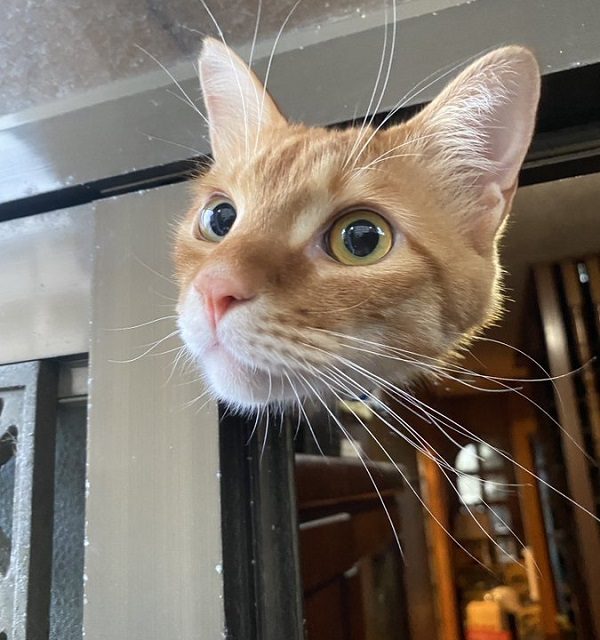
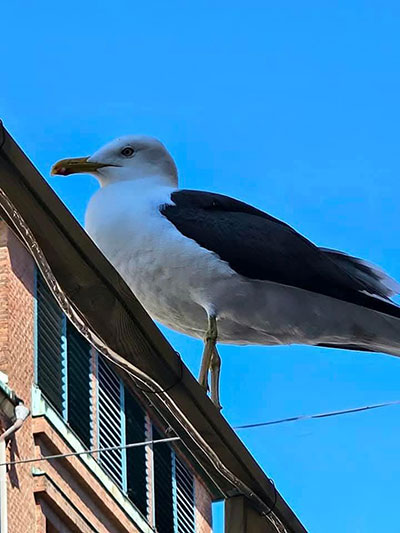
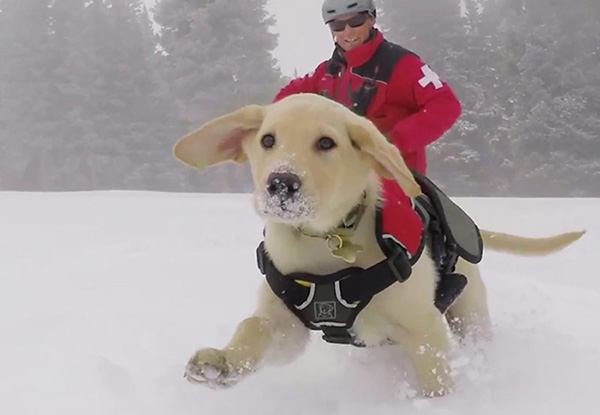
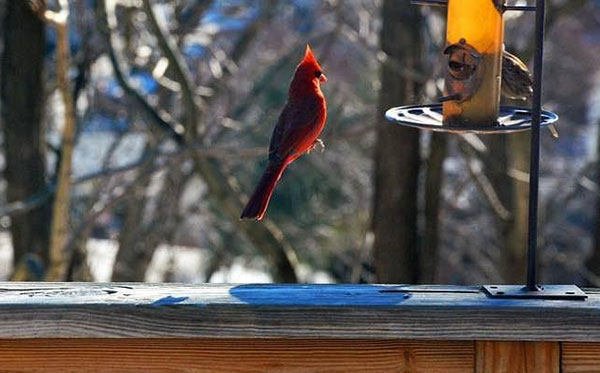
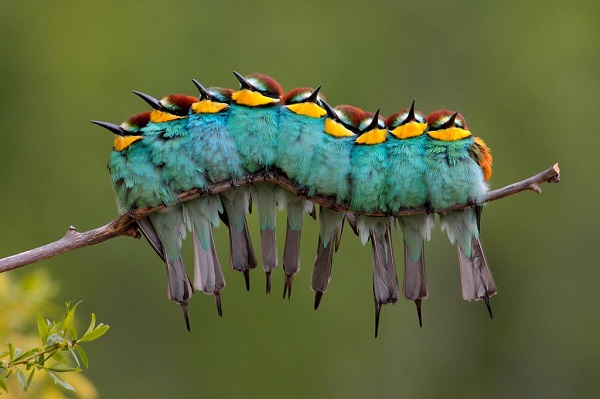
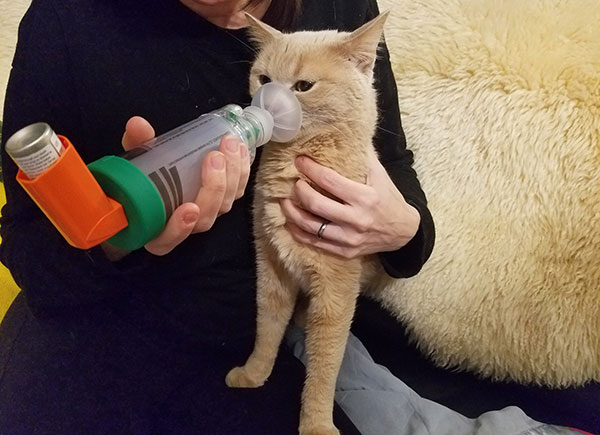
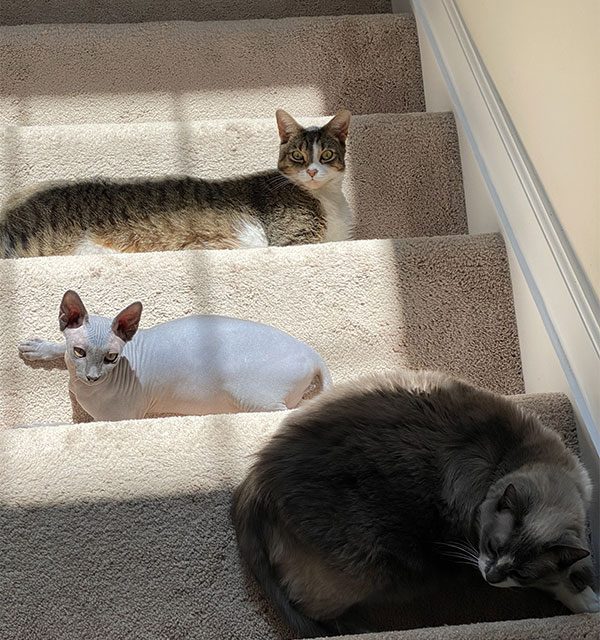
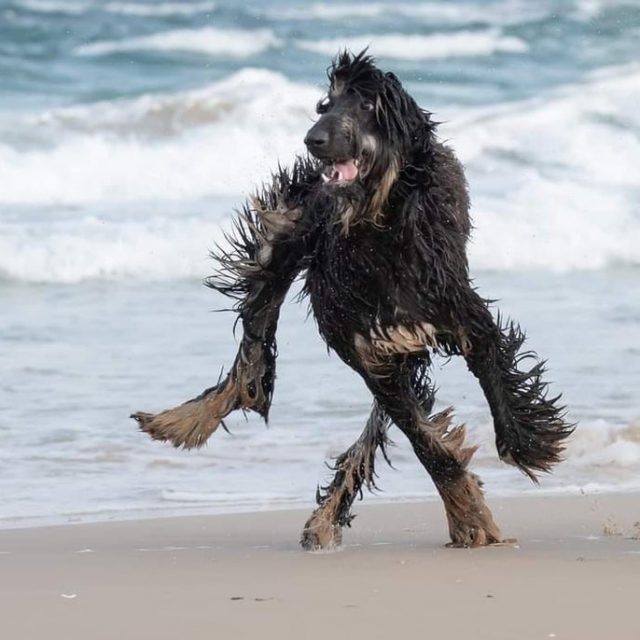
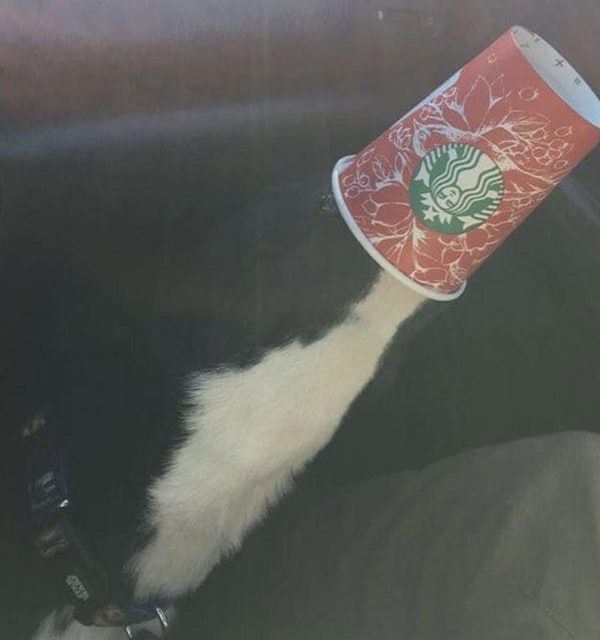
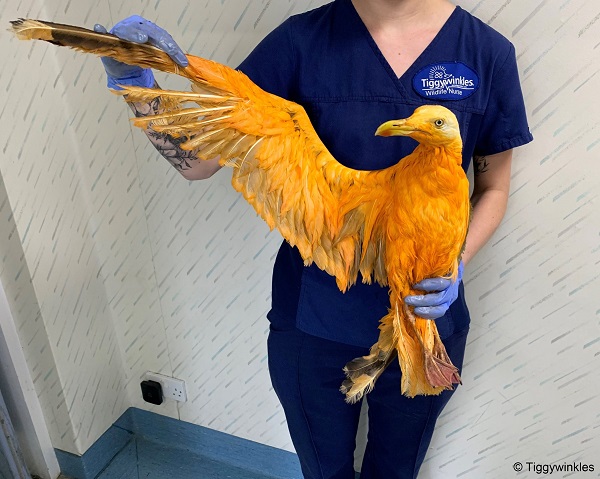
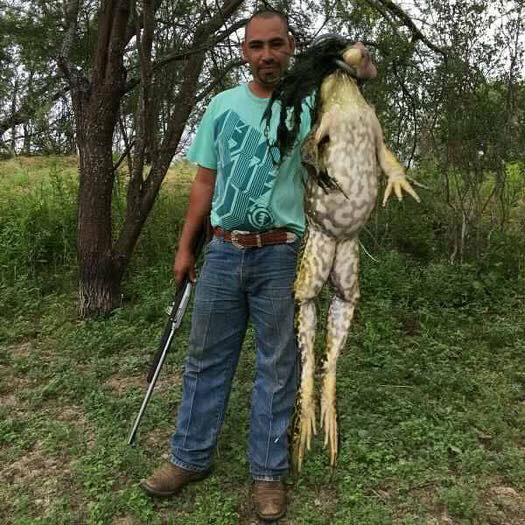
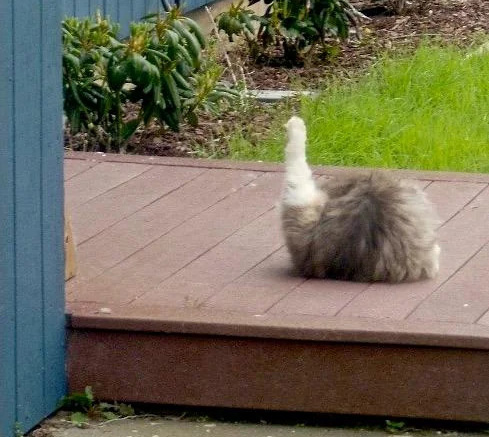
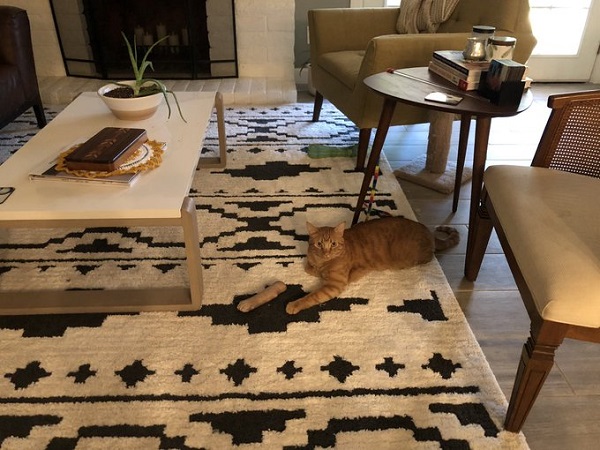
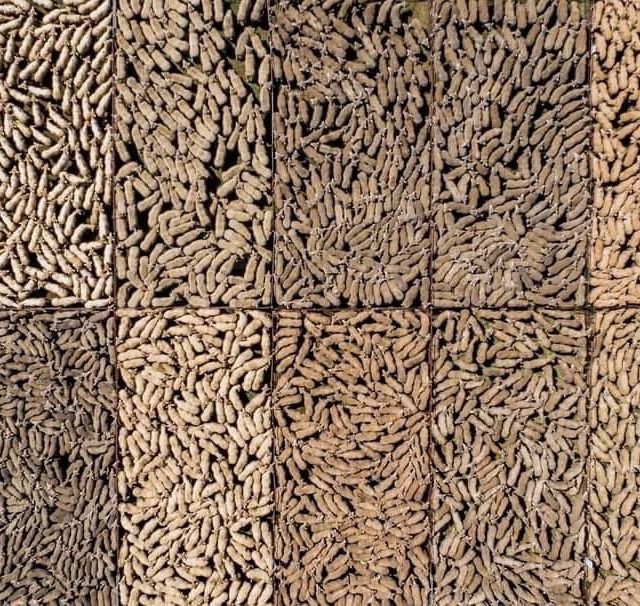
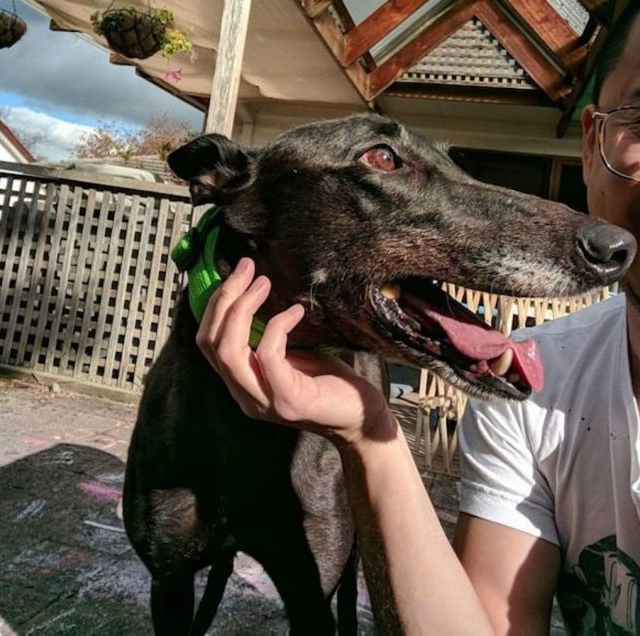
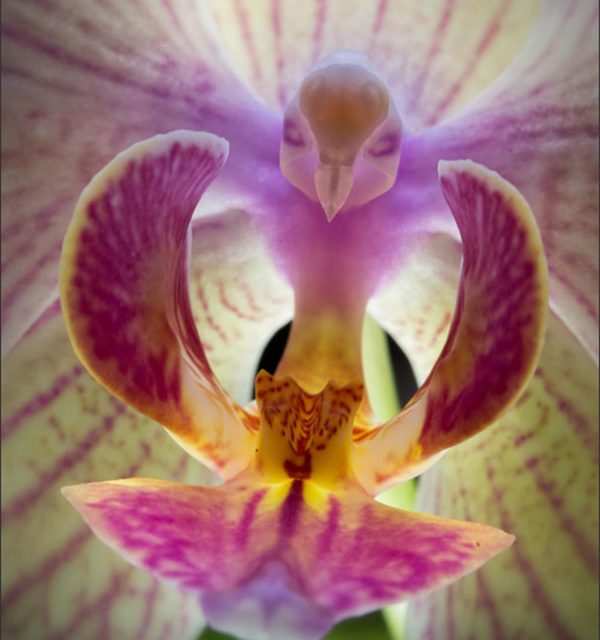
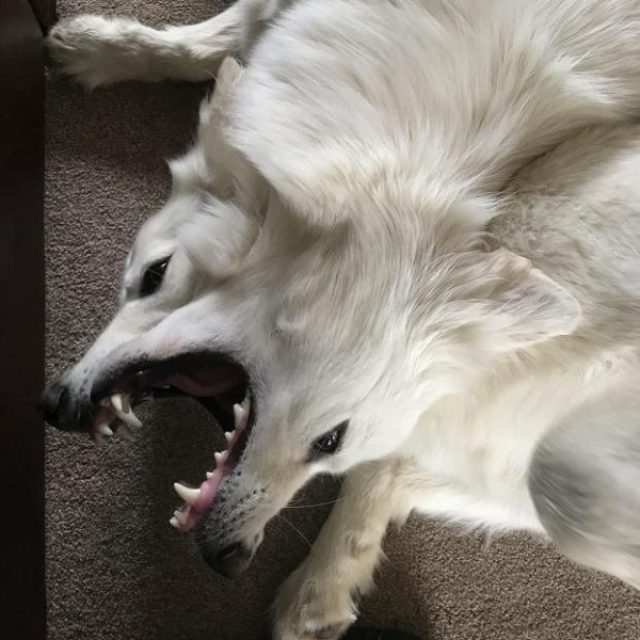
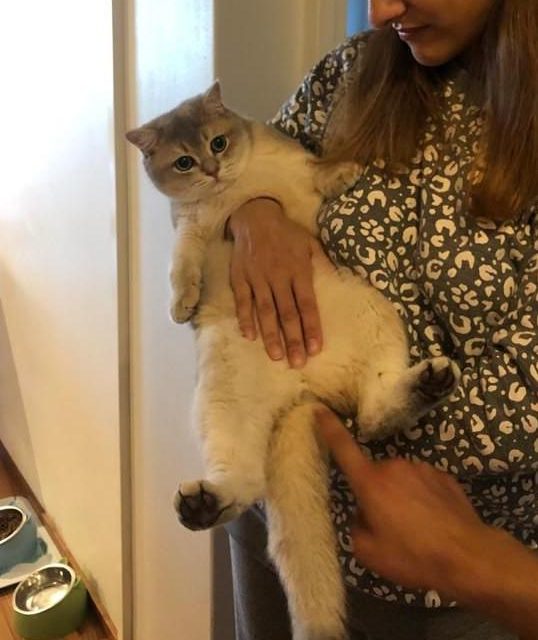
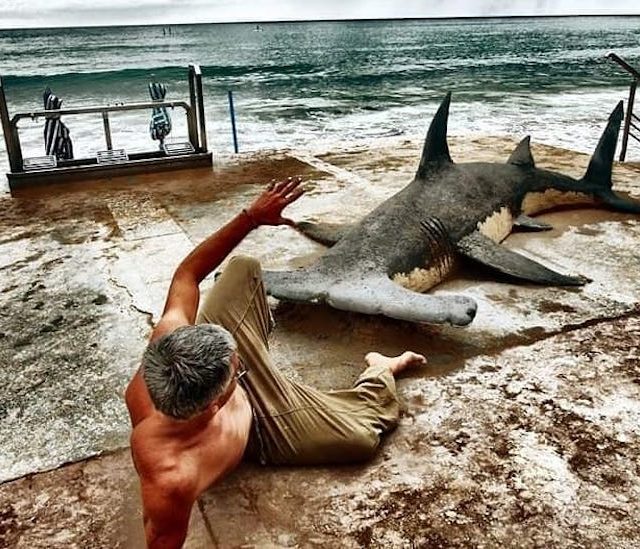
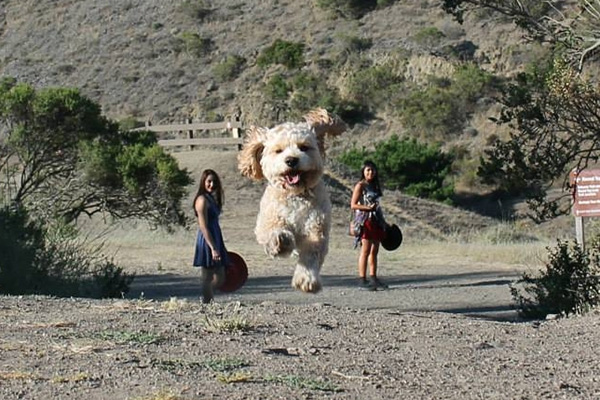
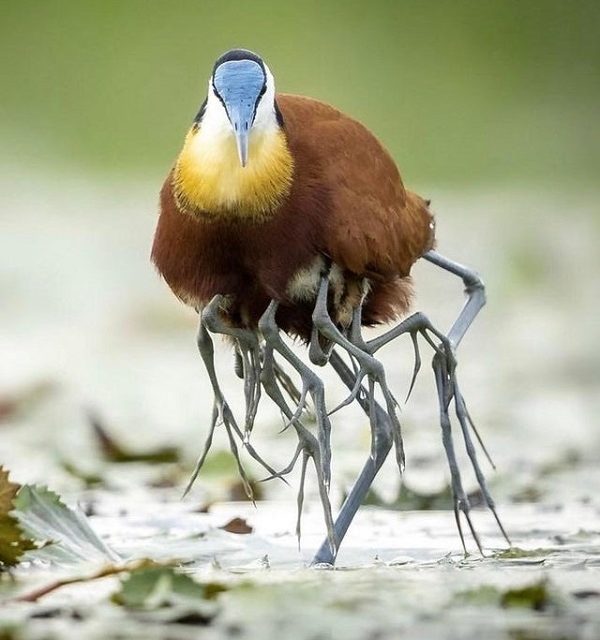
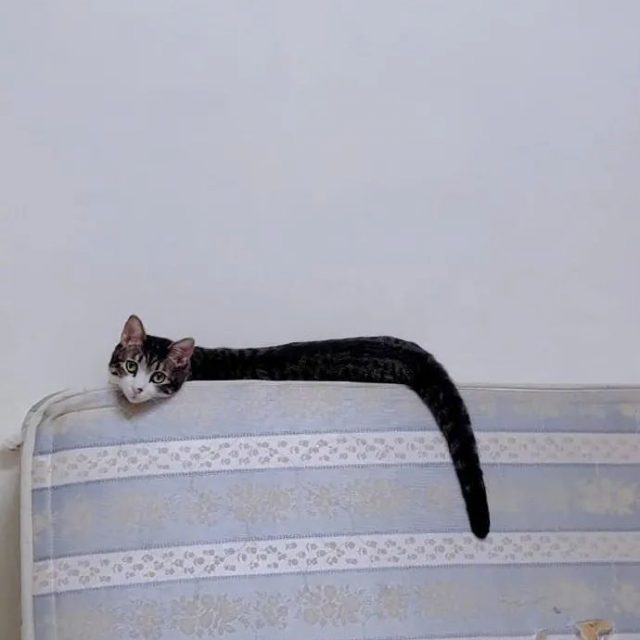
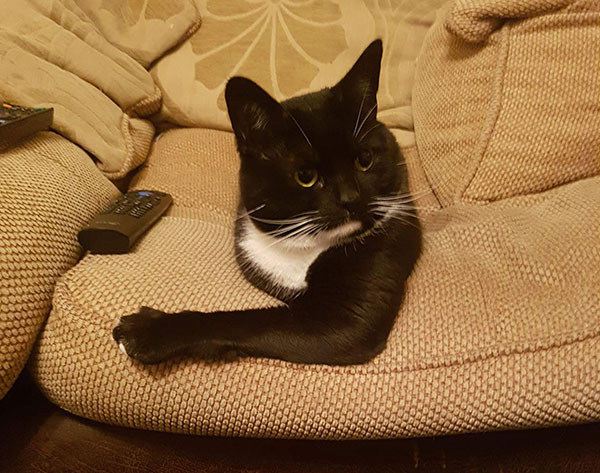
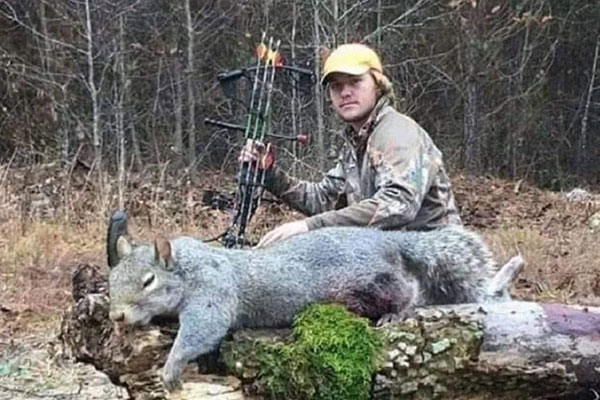
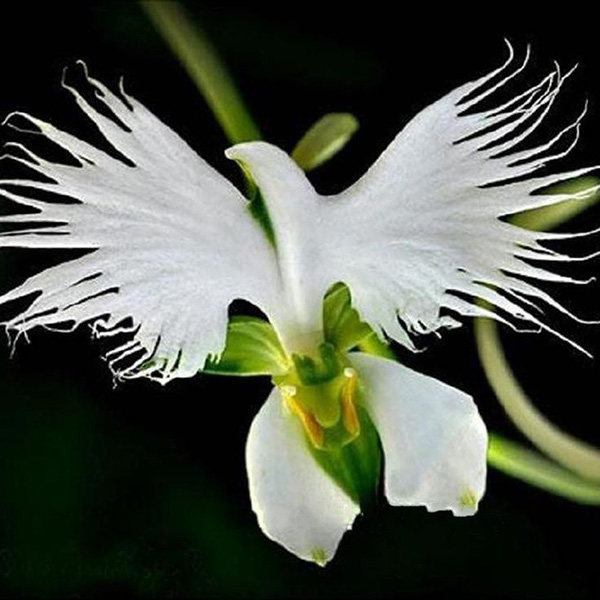
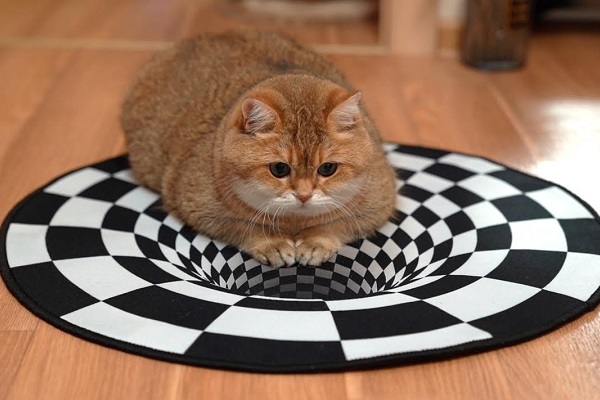
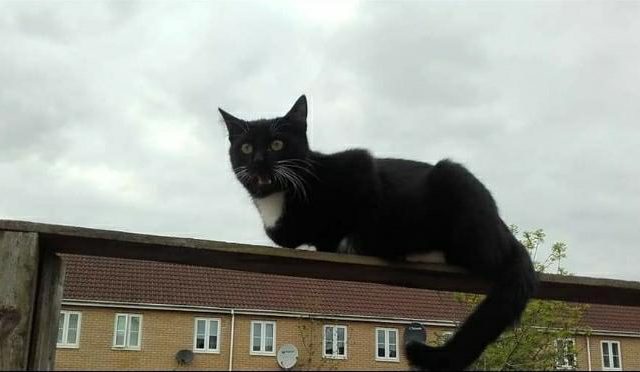
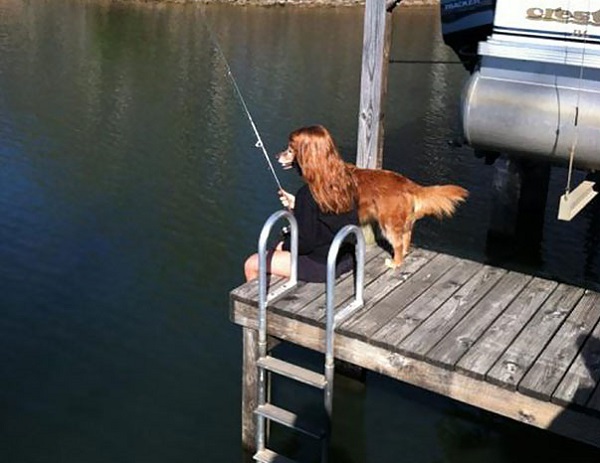
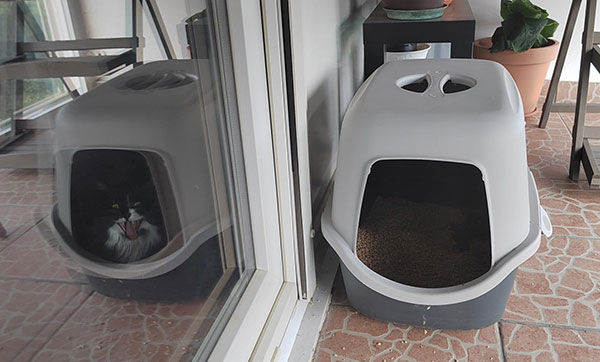
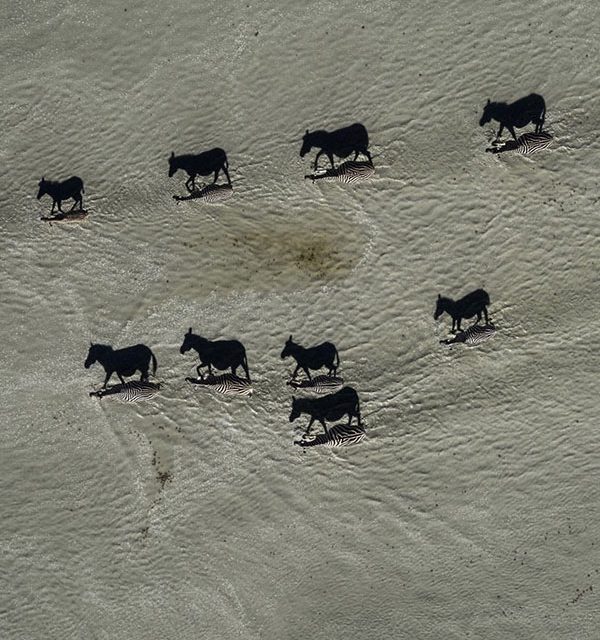
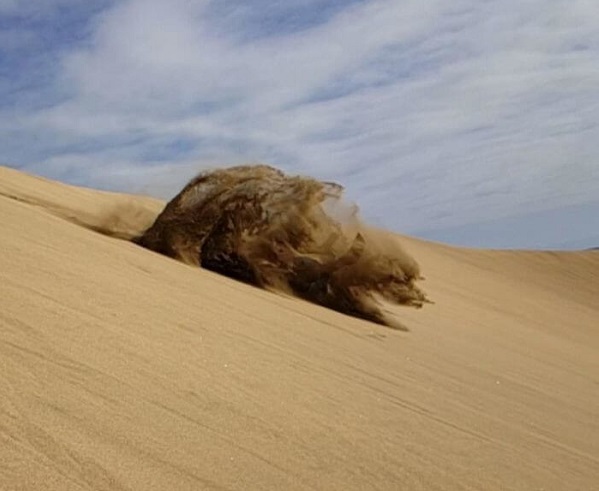
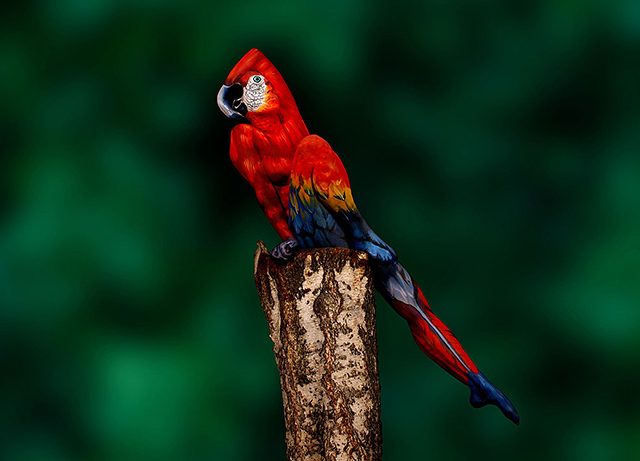
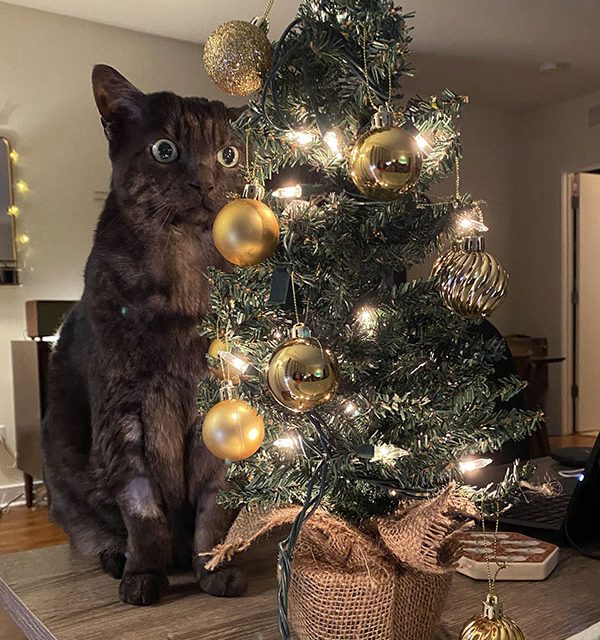
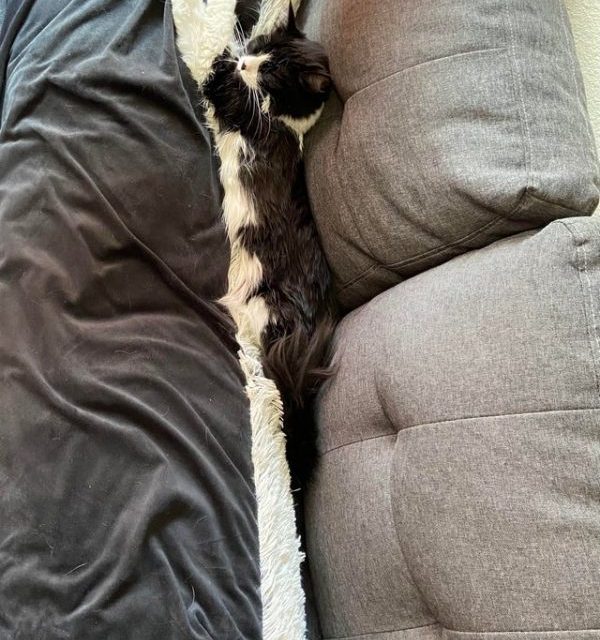
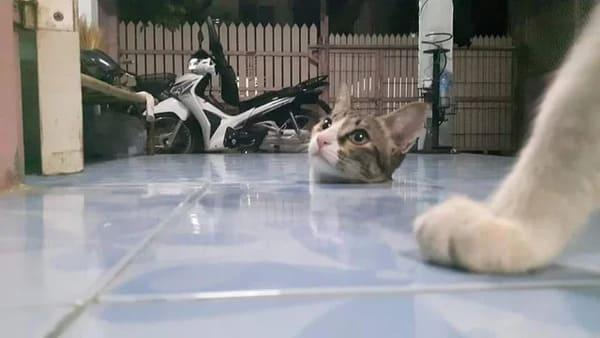
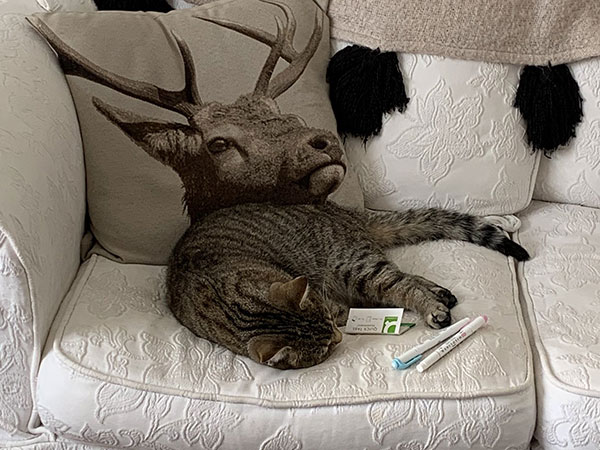
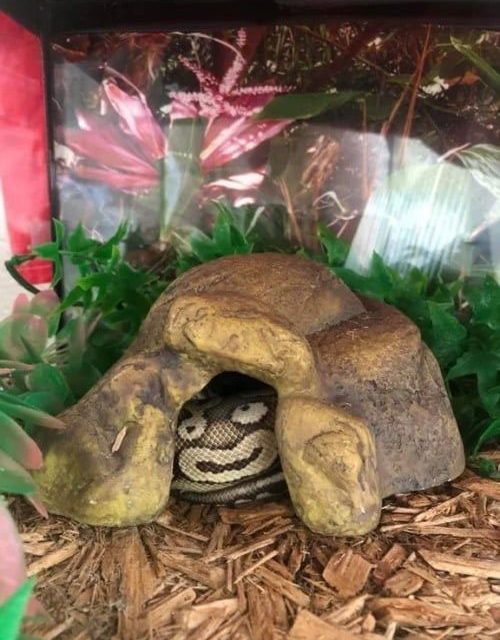
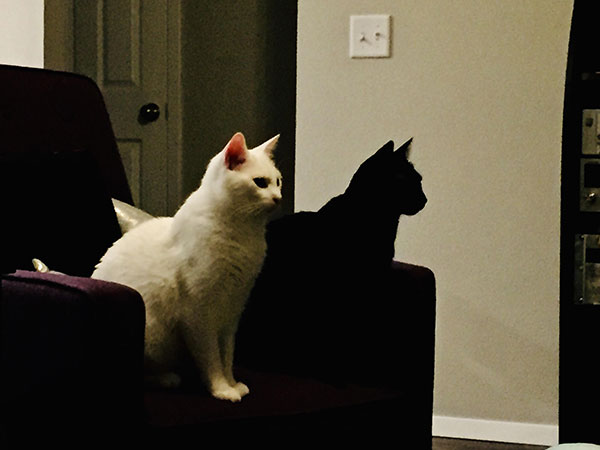
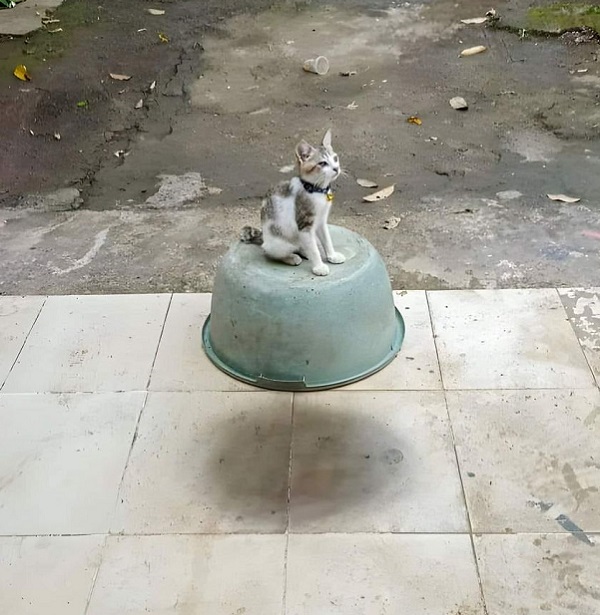
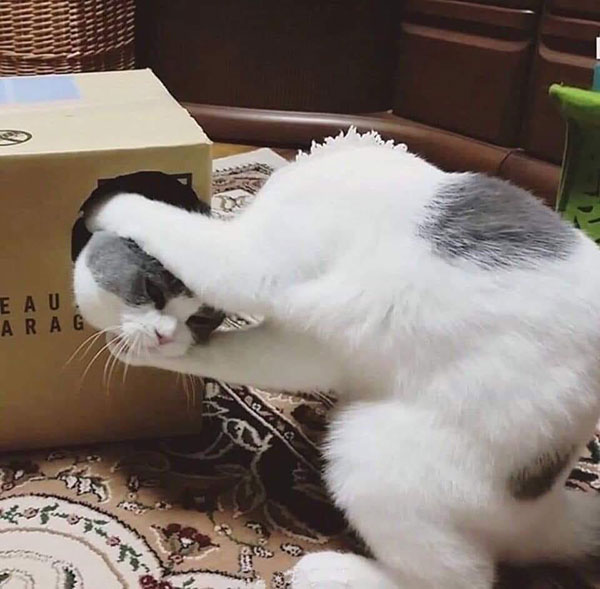
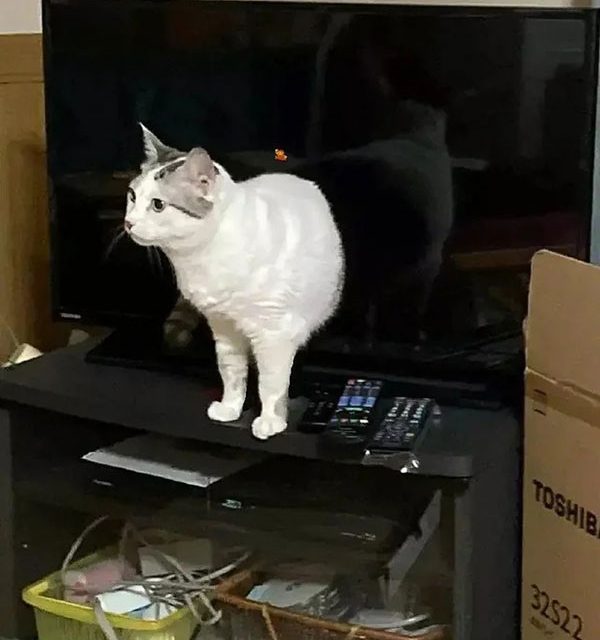
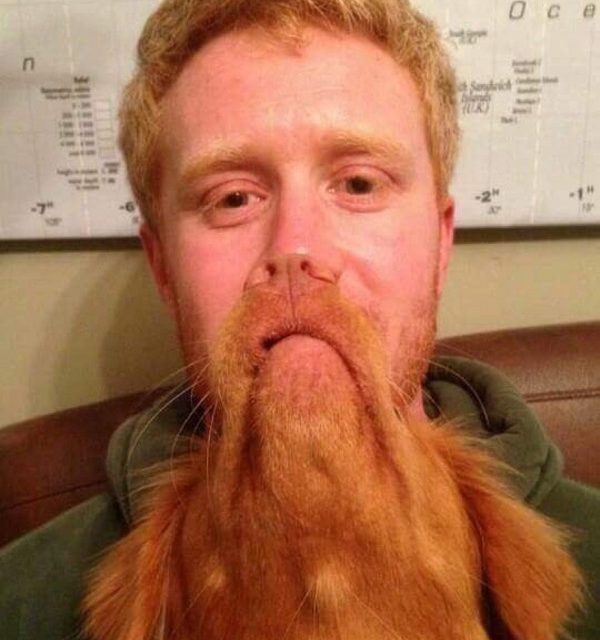
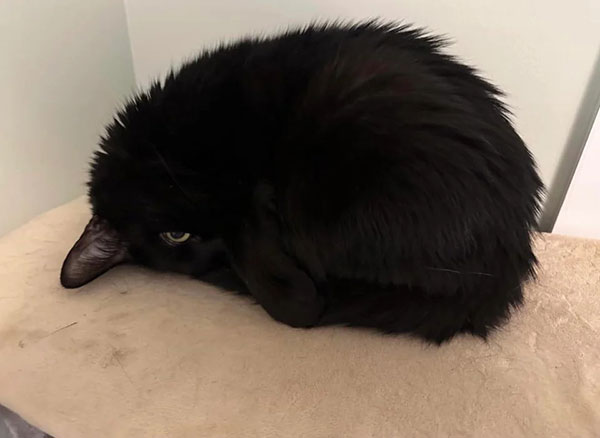
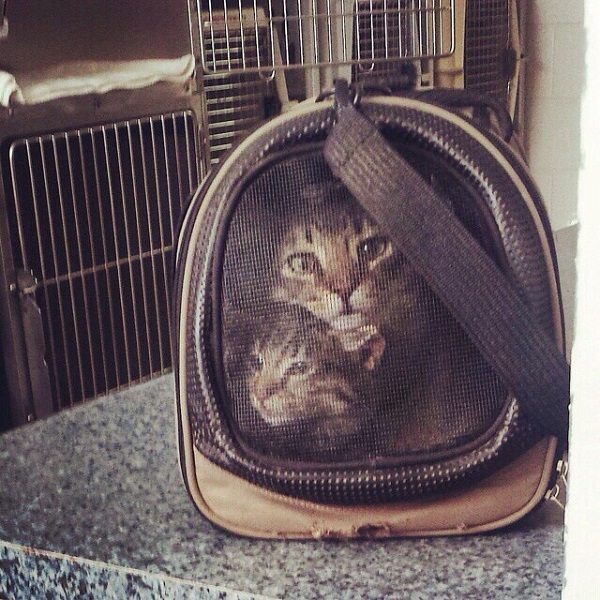
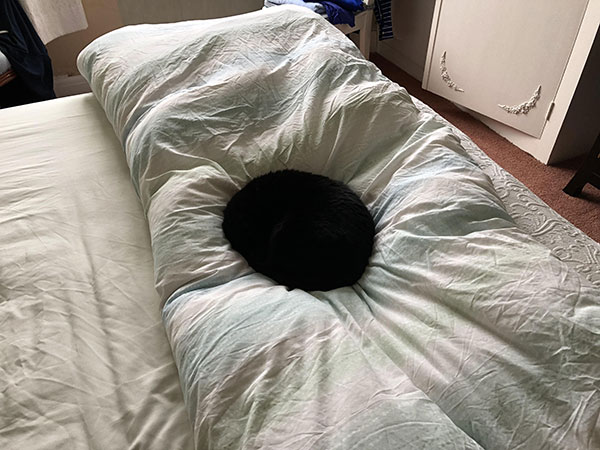
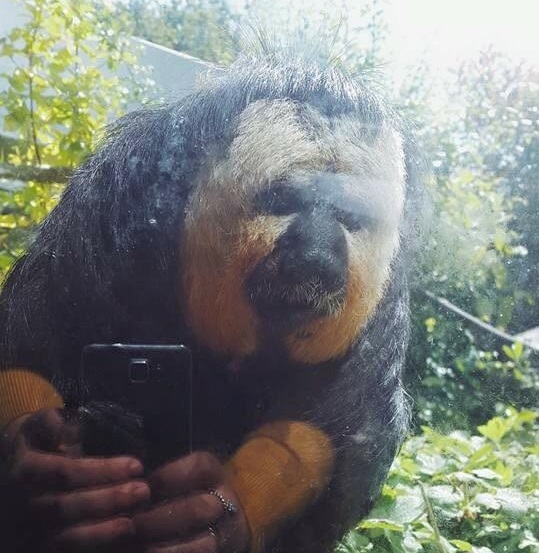
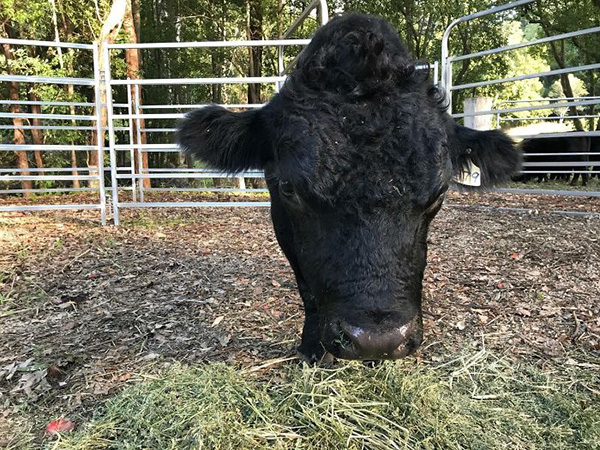
Animals appear in some of the funniest and most surprising optical illusions. A perfectly timed photograph, an unusual pose, or a clever camera angle can transform ordinary cats, dogs, birds, or snakes into something completely unexpected.
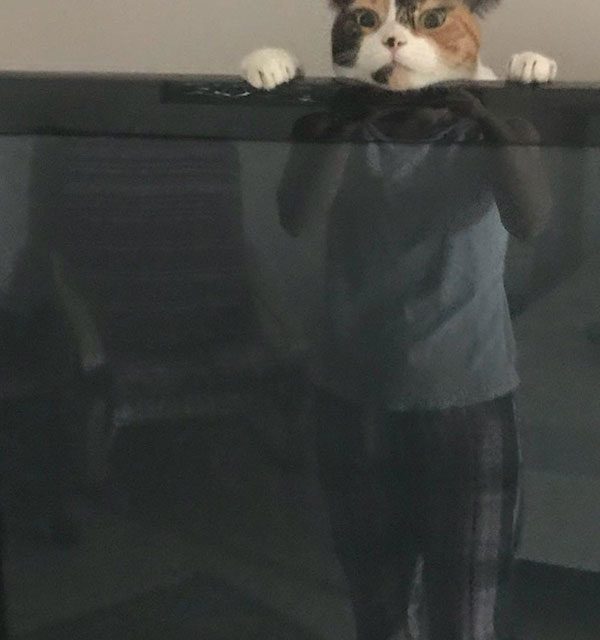
A pet may suddenly seem to have two heads, an impossibly long neck, or far too many legs. These amusing images remind us that even familiar animals can fool the human eye.
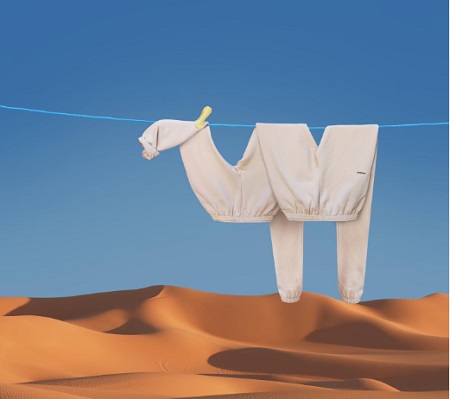
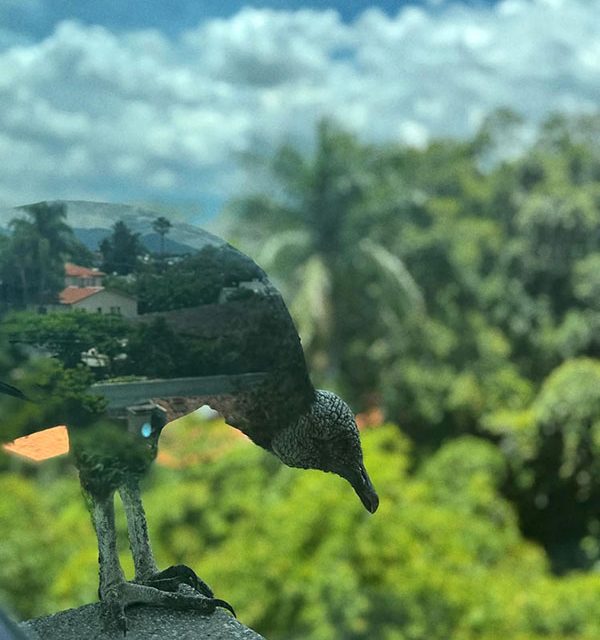
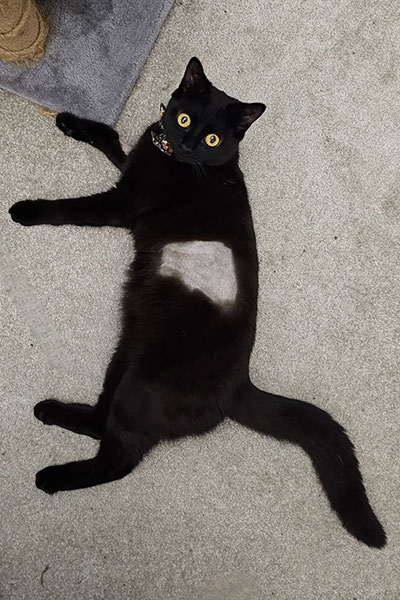
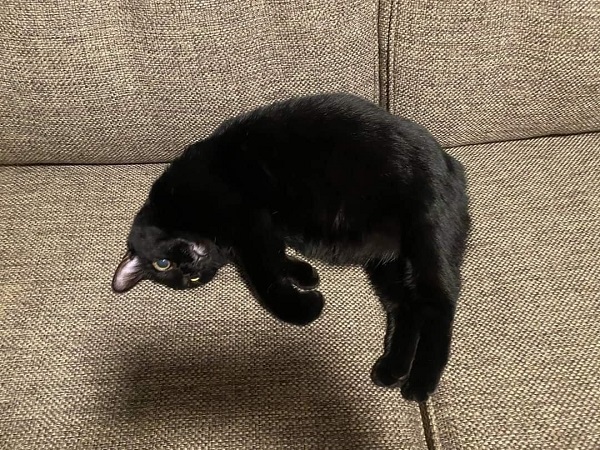
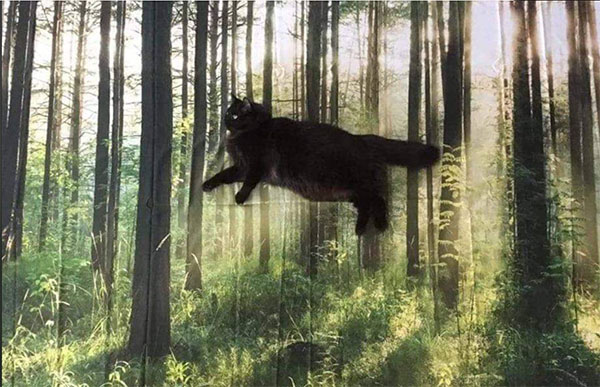
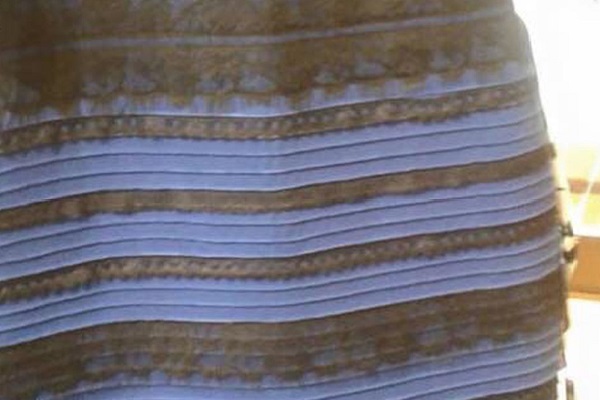
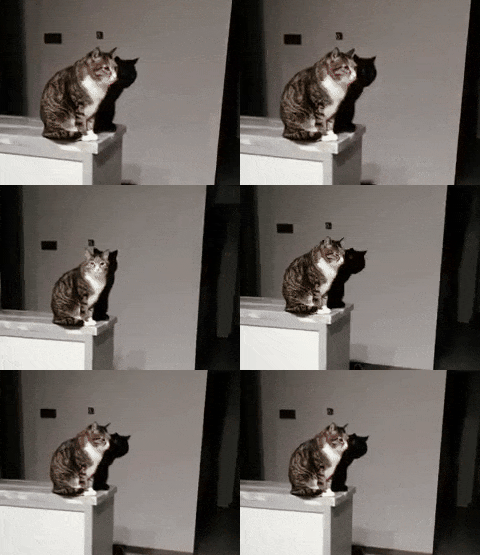
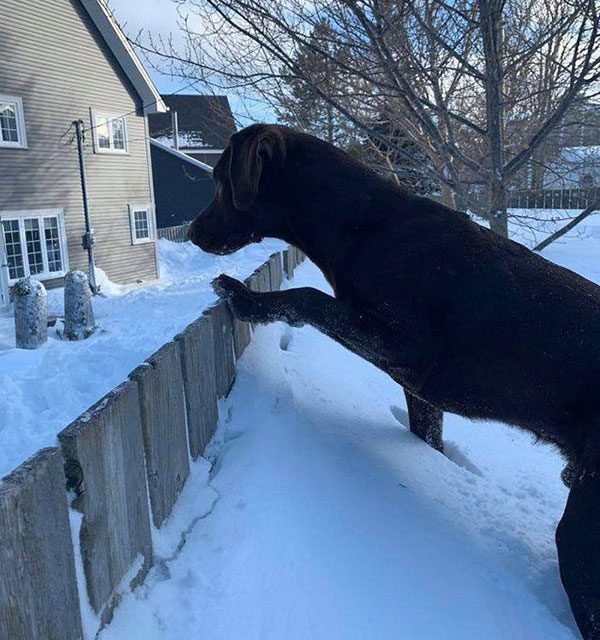
Click on the images to see the larger version and read the explanation of the optical illusion and the source/credit of the image.

Why our brains get confused
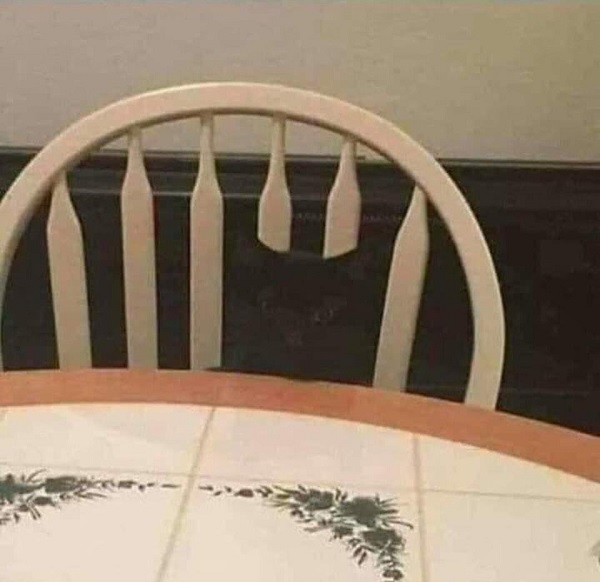
Humans are remarkably good at recognizing animals. We can often identify a species from nothing more than its silhouette, ears, or tail. Because our brains expect animals to have familiar shapes and proportions, they quickly fill in missing information when part of an animal is hidden behind another object or blends into the background.
Sometimes those assumptions are wrong. Shadows, reflections, or another animal lining up at exactly the right moment can create an illusion that makes us stop and look twice.
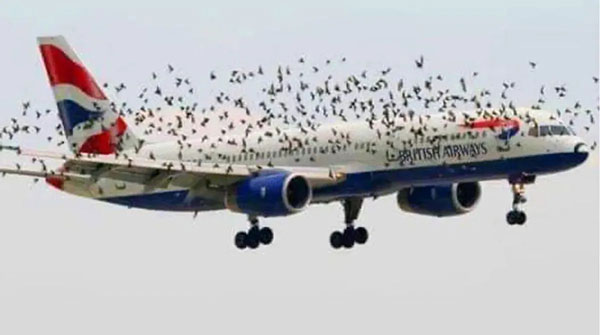
Perfect timing creates the best illusions
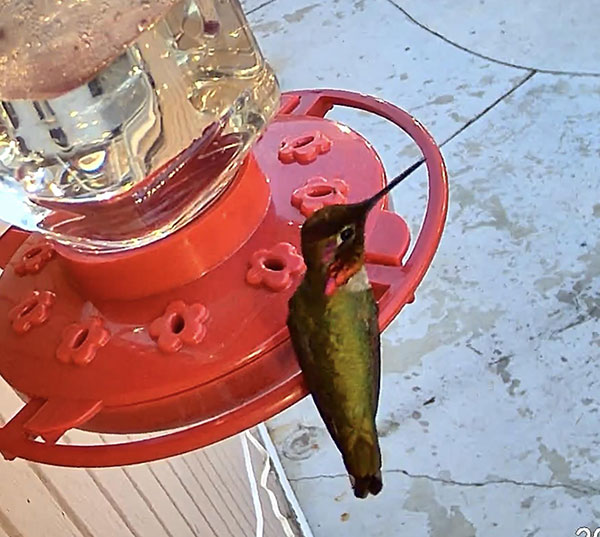
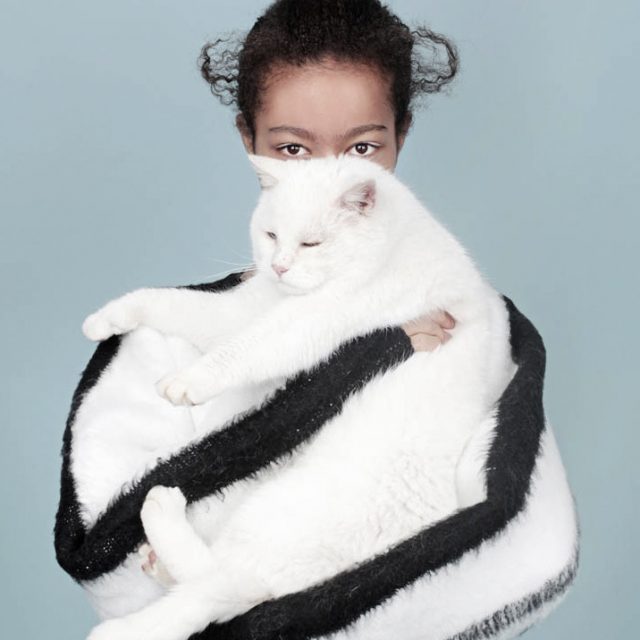
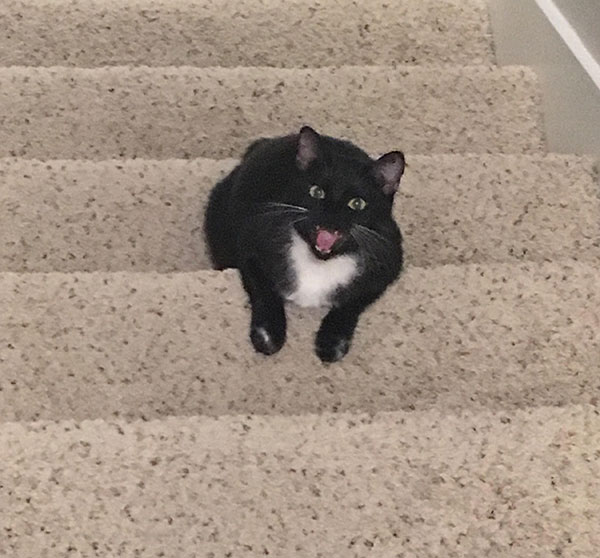
Many of the animal optical illusions in this collection weren’t planned at all. They happened because a camera captured a split second in which two unrelated objects aligned perfectly. A bird may appear to sit on another animal’s head, a dog’s body may merge with its owner’s clothing, or a bug may seem to have impossible proportions.
These fleeting moments show that the most convincing optical illusions often require nothing more than excellent timing and a little imagination.
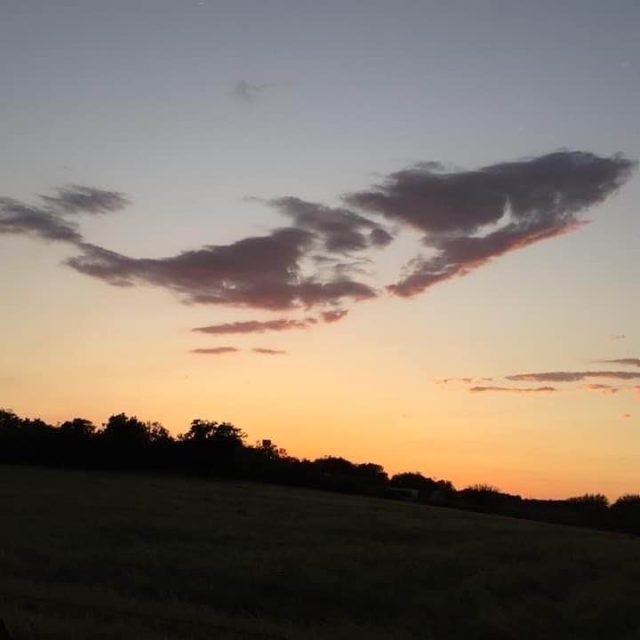
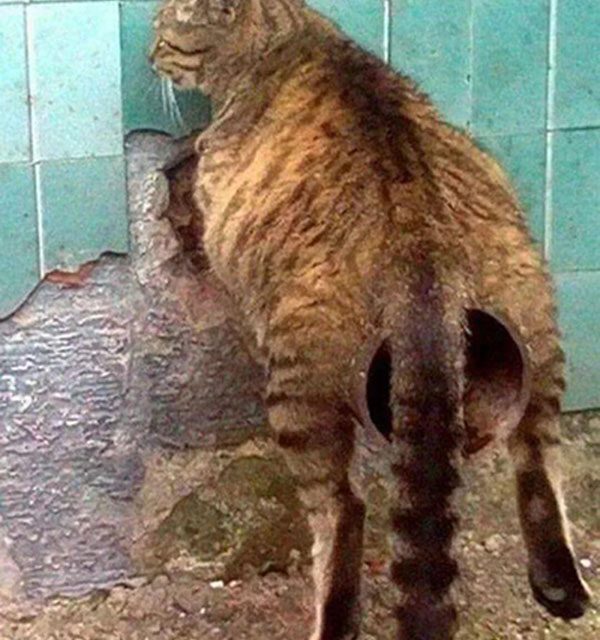
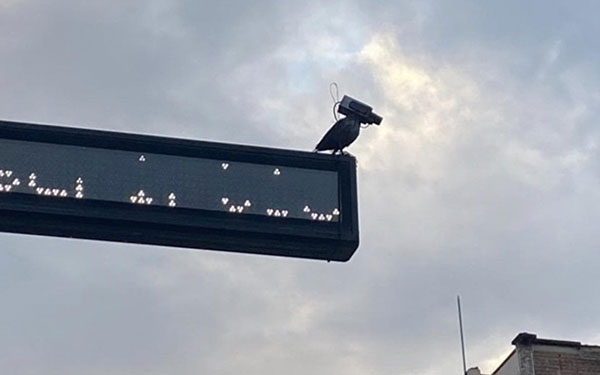
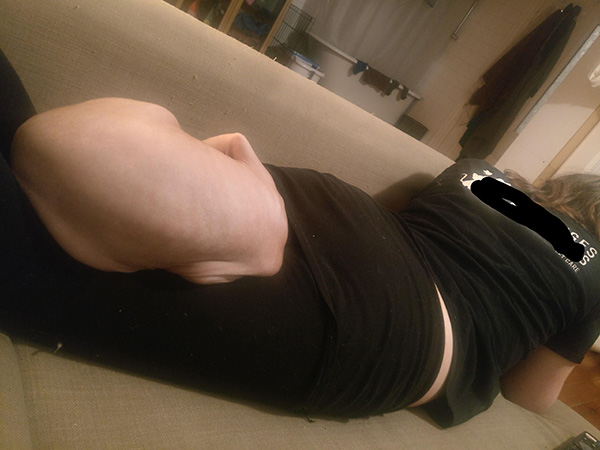
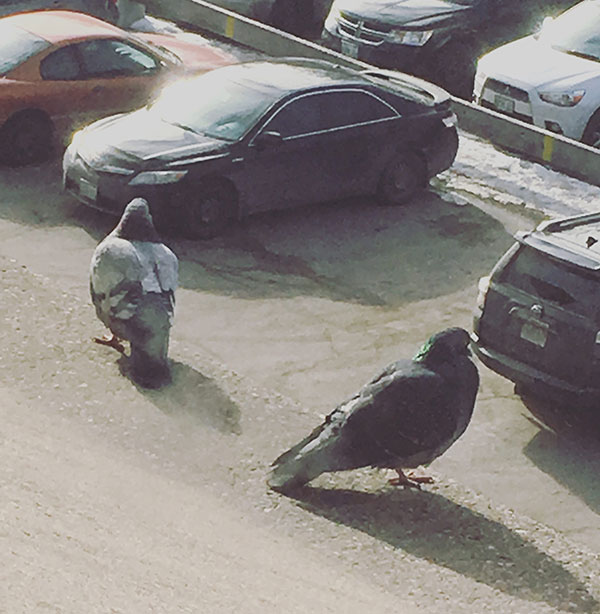
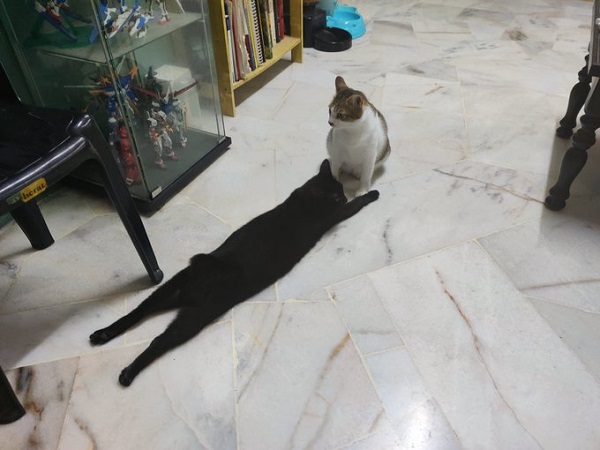
More than just funny pictures
Although these photographs are entertaining, they also reveal something about the way human vision works. Your brain doesn’t analyse every feather, whisker, or paw individually.
Instead, it quickly builds a complete picture using experience and expectation. Most of the time that process helps us recognize animals instantly. Occasionally, however, it creates a wonderfully confusing illusion that’s far more memorable than the original scene.
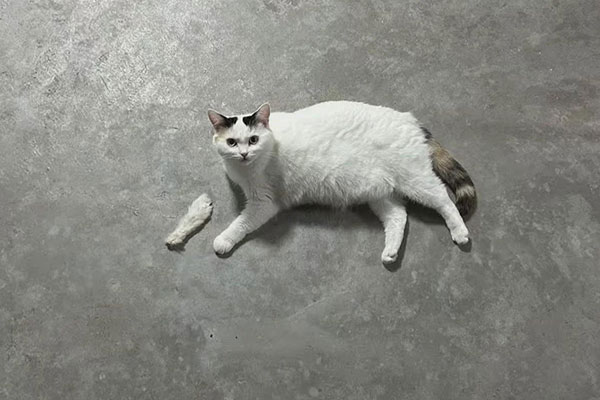
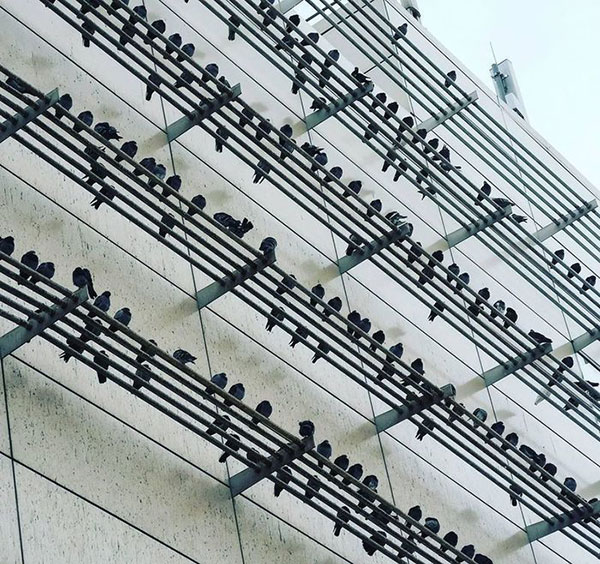
Did you know? Humans aren’t the only ones fooled by optical illusions. Scientists have shown that many animals can perceive certain visual illusions too.
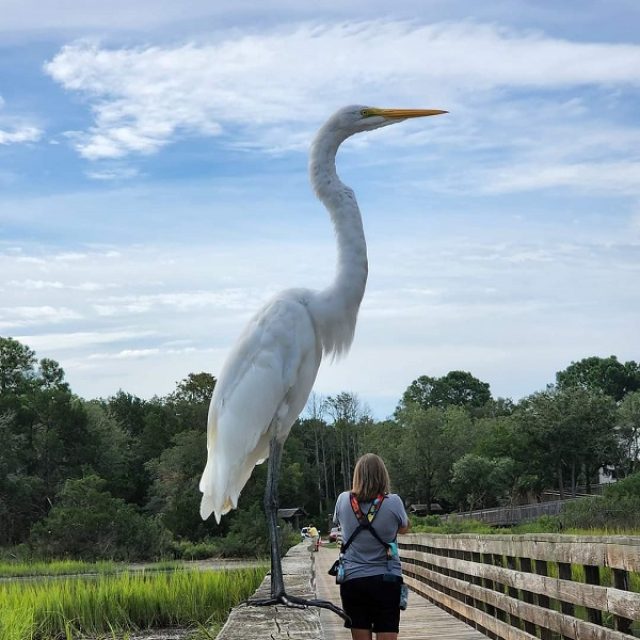
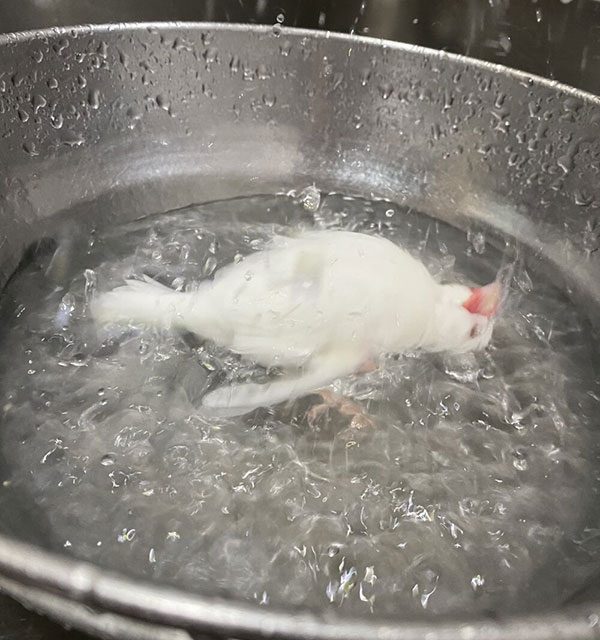
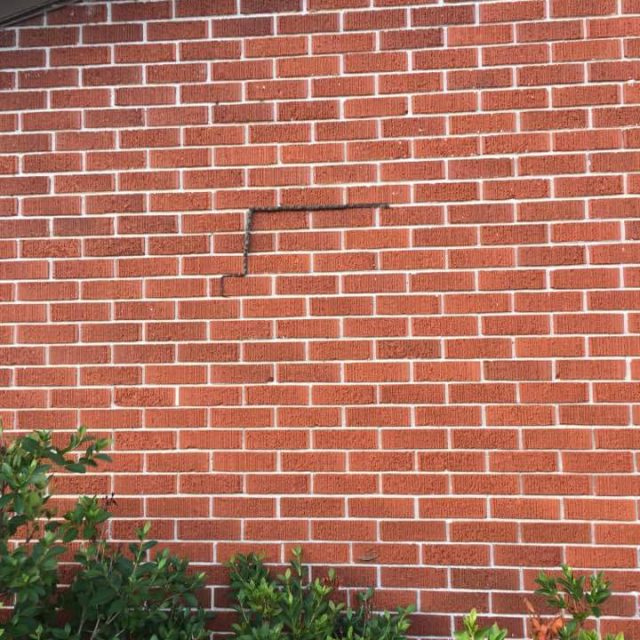
Camouflage and hidden animals
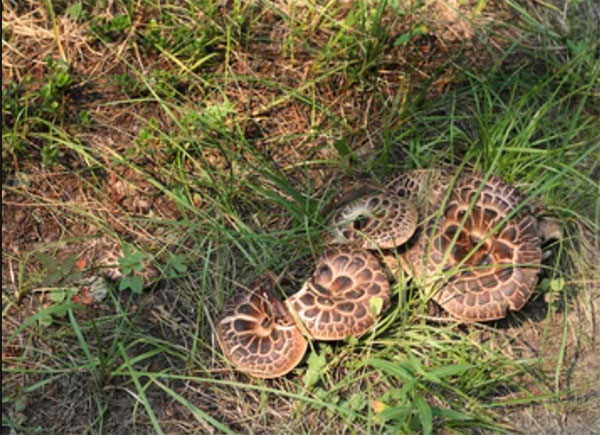
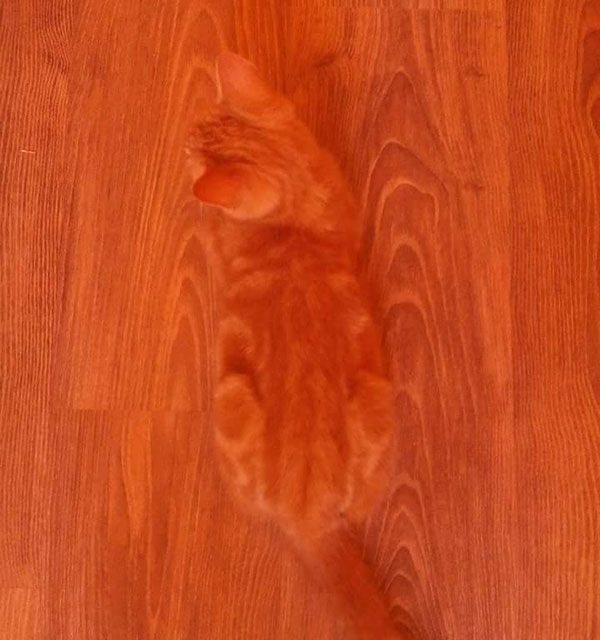
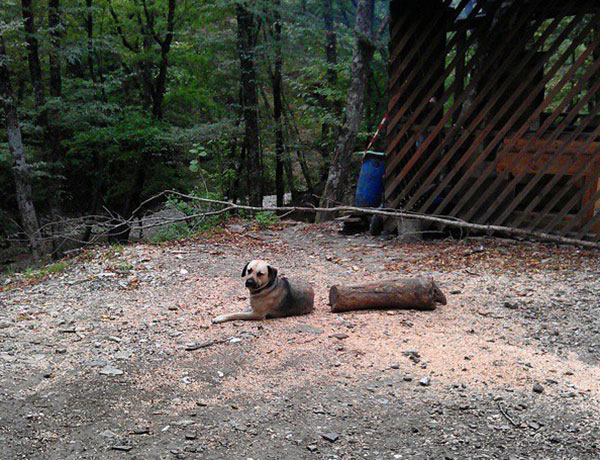
Some optical illusions make animals seem impossible to find rather than impossible to understand. An owl blends into tree bark, a frog disappears among leaves, or a snow leopard vanishes against a rocky mountainside. Although camouflage evolved as a survival strategy, it also creates fascinating visual puzzles for humans. Once you finally spot the hidden animal, it’s often impossible to believe you missed it the first time.
Animals in art and photography
Artists and photographers have long used animals to create visual illusions. Surrealists transformed familiar creatures into impossible hybrids, while modern photographers often capture accidental moments that seem too strange to be real. Because animals are so expressive and instantly recognizable, they make ideal subjects for illusions that surprise, amuse, and challenge our perception.
Why we see animals everywhere
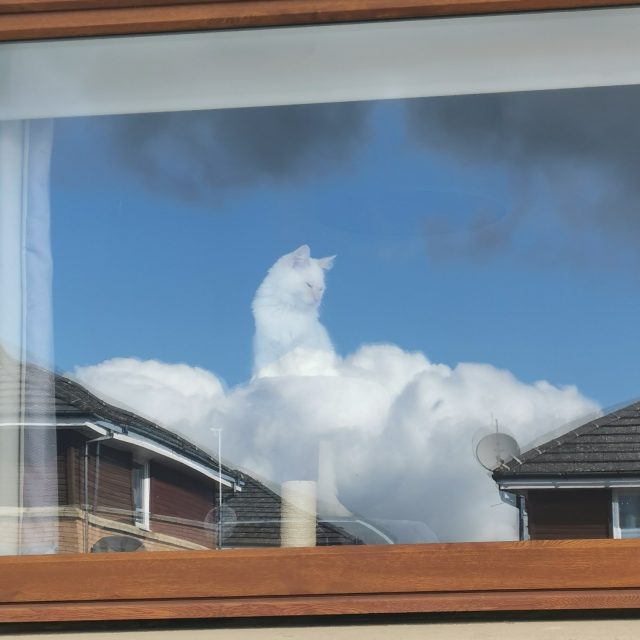
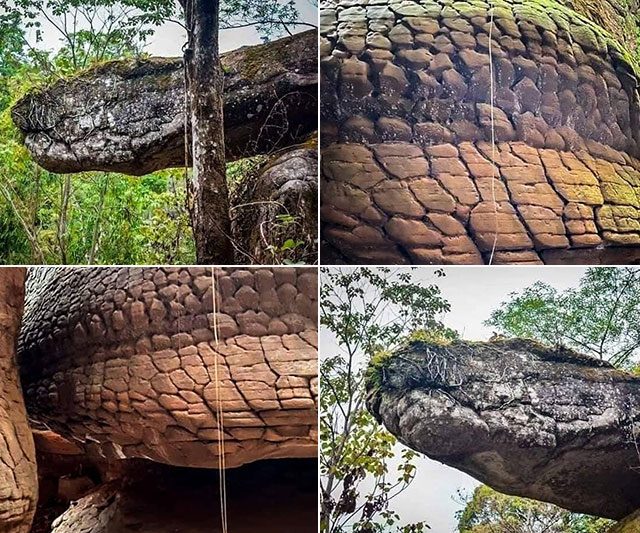
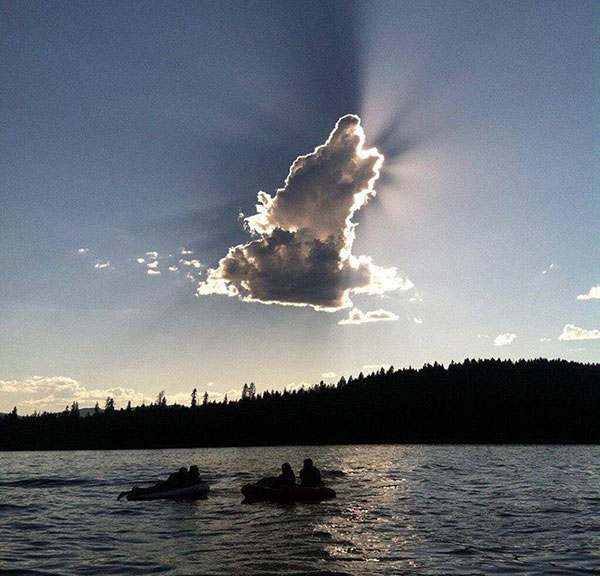
Many animal illusions rely on a form of pareidolia; our tendency to recognize familiar shapes where none actually exist. A cloud may resemble a rabbit, a mountain can look like a sleeping lion, or a tree trunk may appear to contain the face of an owl.
Our brains evolved to identify living creatures quickly, even with very little visual information. Sometimes that remarkable ability leads to delightful mistakes.