
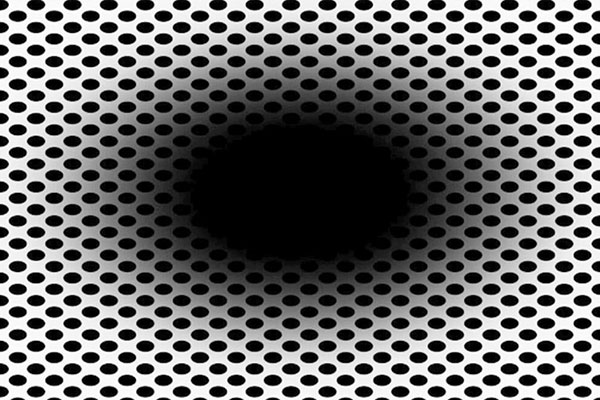
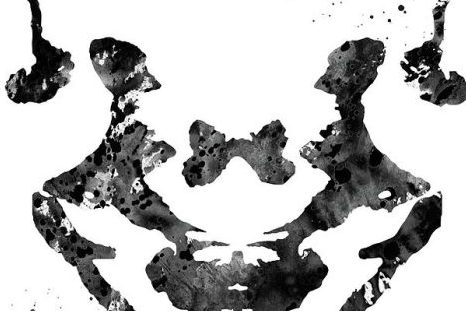
12 optical illusions with Category: Clouds
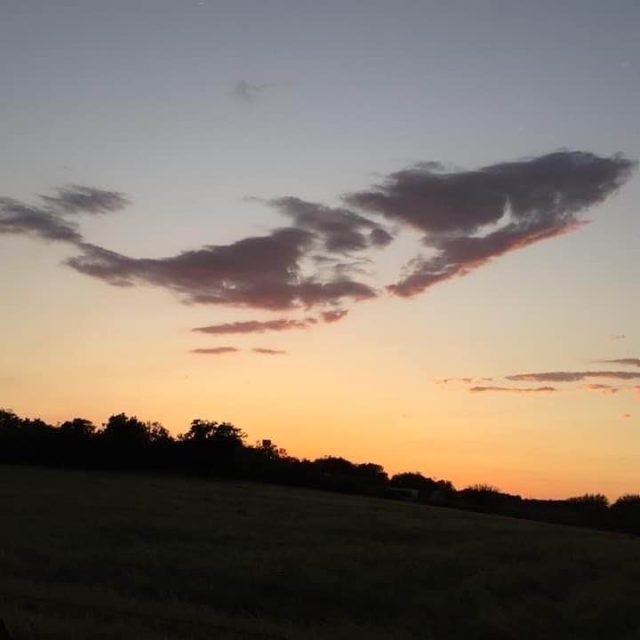
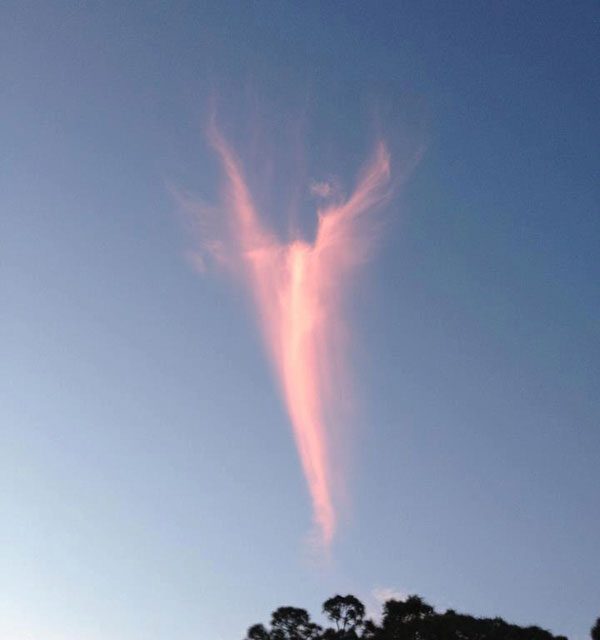
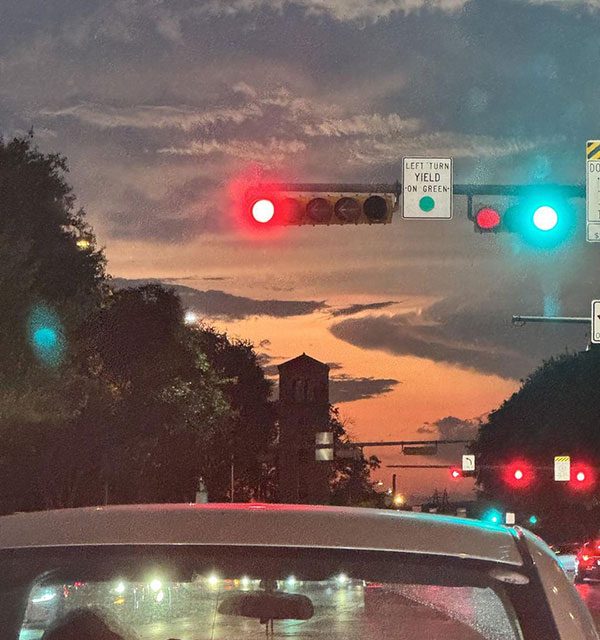
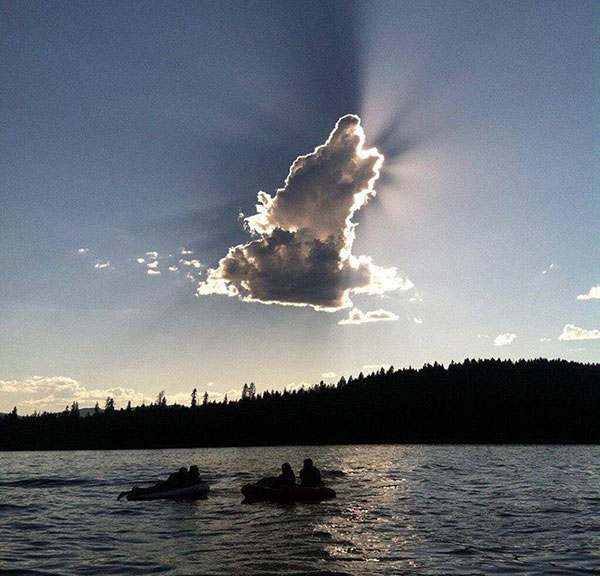
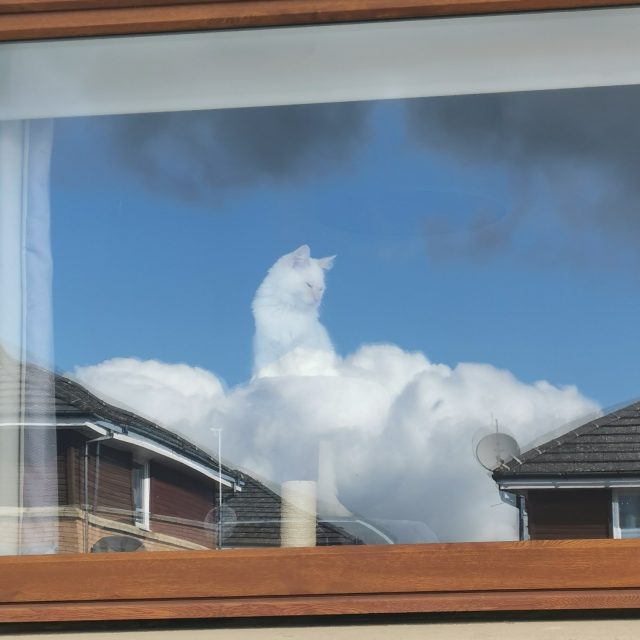
Looking for shapes in the clouds is something almost everyone has done. One cloud becomes a dragon, another a rabbit, and before long an entire story unfolds across the sky. This phenomenon is known as pareidolia. This is our brain’s natural tendency to recognize familiar patterns in random shapes. It’s the same reason we see faces in trees, animals in rock formations, or figures in the Moon.
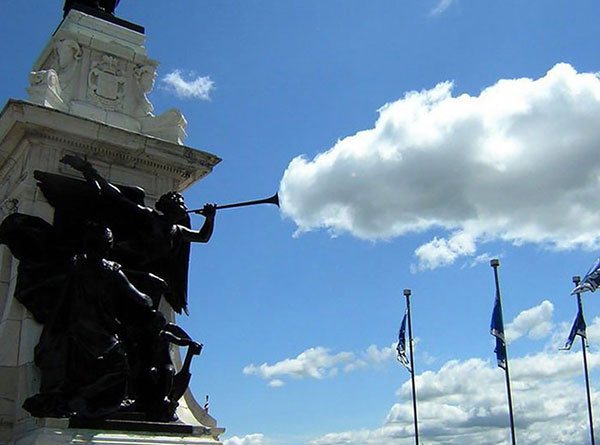
The perfect canvas
Clouds are constantly changing. Their soft edges, shifting forms, and endless combinations of light and shadow make them the perfect canvas for the imagination. Unlike a painting, no cloud ever stays the same for long. A lion can become a ship within seconds, while a face slowly dissolves into an ordinary patch of sky. Every glance offers a new visual puzzle.
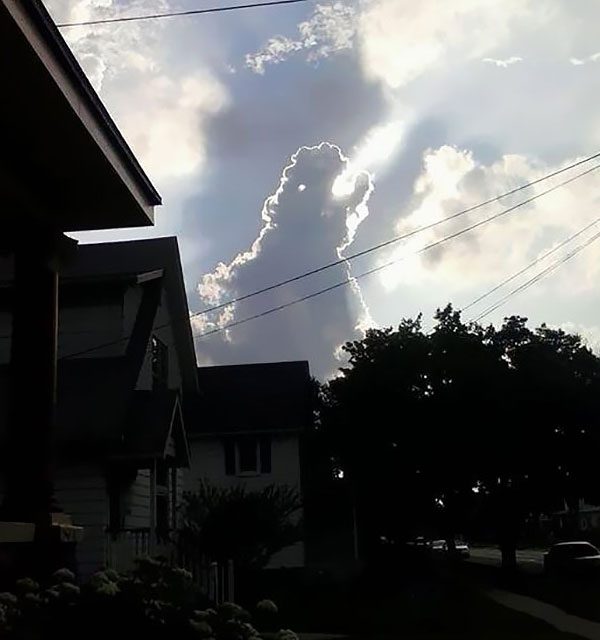
Why everyone sees something different
Ask a group of people what they see in the same cloud, and you’ll probably get several different answers. That’s because pareidolia depends on your own experiences, memories, and imagination. Someone fascinated by wildlife may spot an elephant, while another person sees a mountain range or a sailing ship. There isn’t a right or wrong answer. The illusion exists entirely in the mind of the observer.

More than just pareidolia
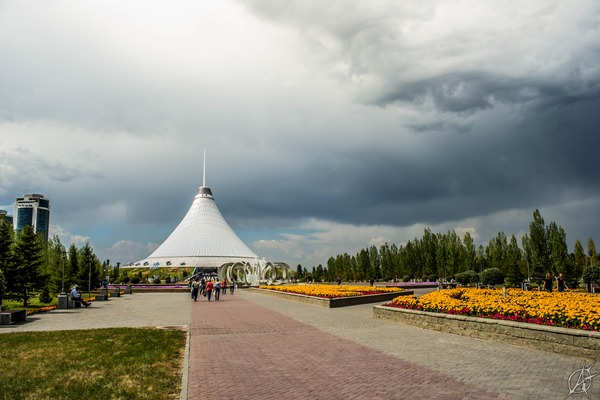
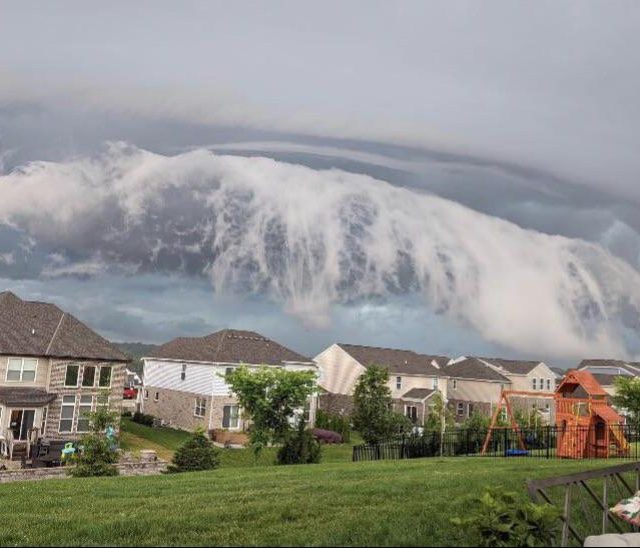
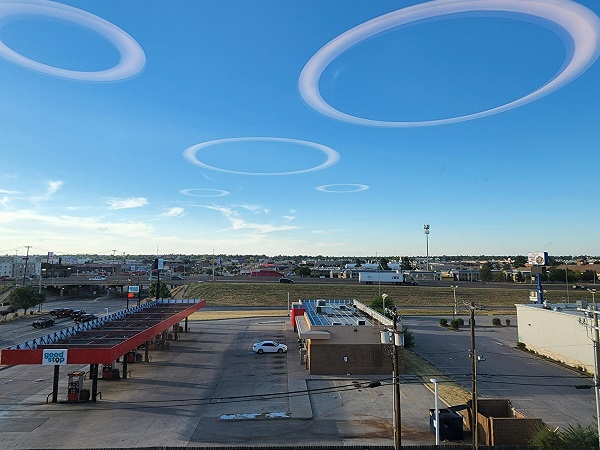
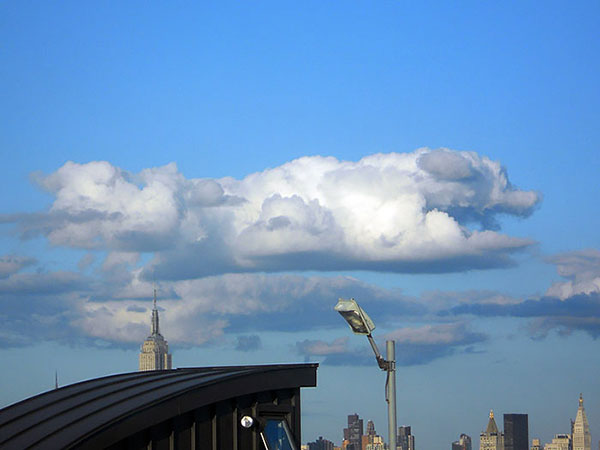
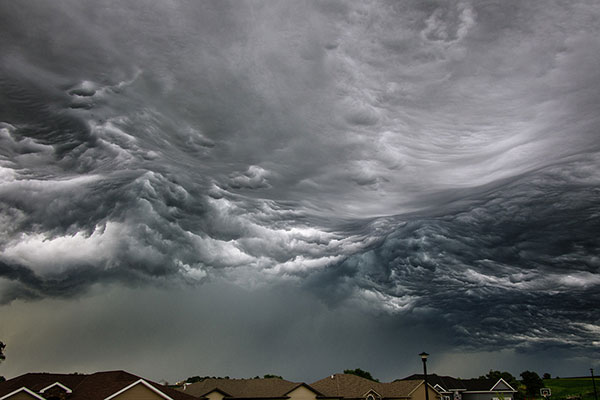
Not all cloud illusions are imagined. Certain cloud formations genuinely look extraordinary. Lenticular clouds resemble giant flying saucers, towering cumulonimbus clouds can look like exploding mountains, and rare atmospheric conditions create dramatic colours and light effects. These natural phenomena remind us that the sky can be just as surprising as any work of illusion art.
A source of stories and legends
Throughout history, people have looked to the clouds for meaning. Ancient civilizations saw gods and mythical creatures in the sky, while sailors used cloud formations to predict changing weather. Even today, unusual cloud shapes regularly go viral on social media as people debate whether they’re seeing angels, dragons, faces, or something far stranger.