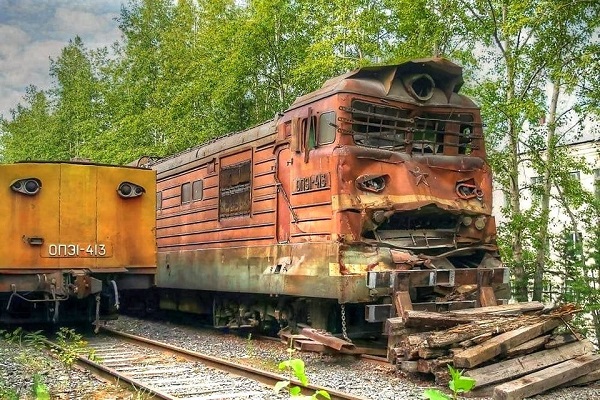

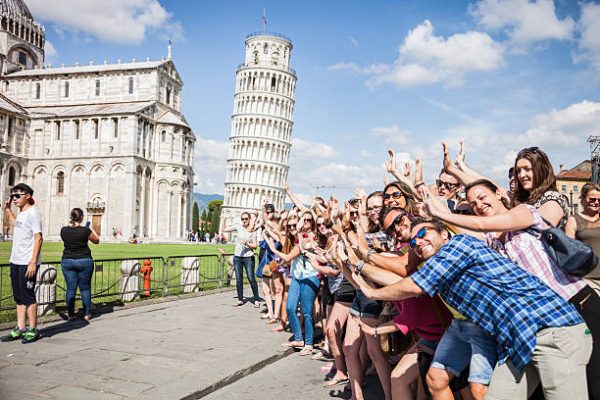
7 optical illusions with Category: Floors
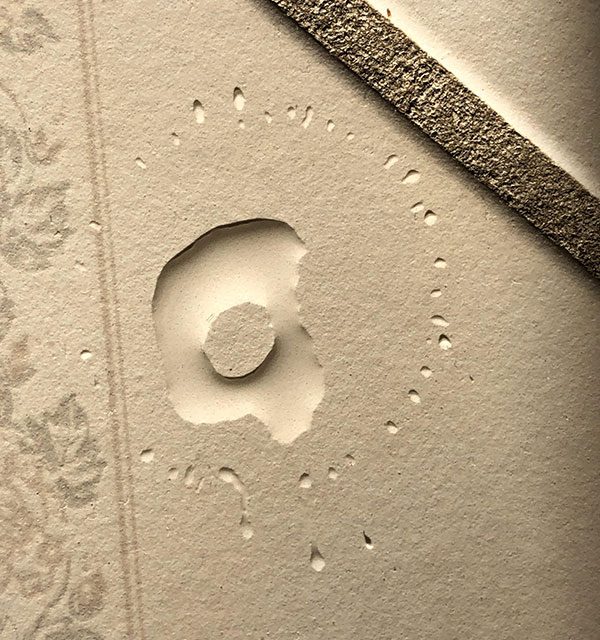
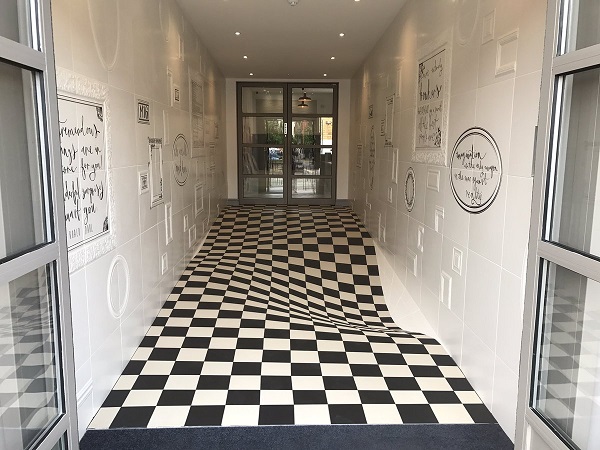
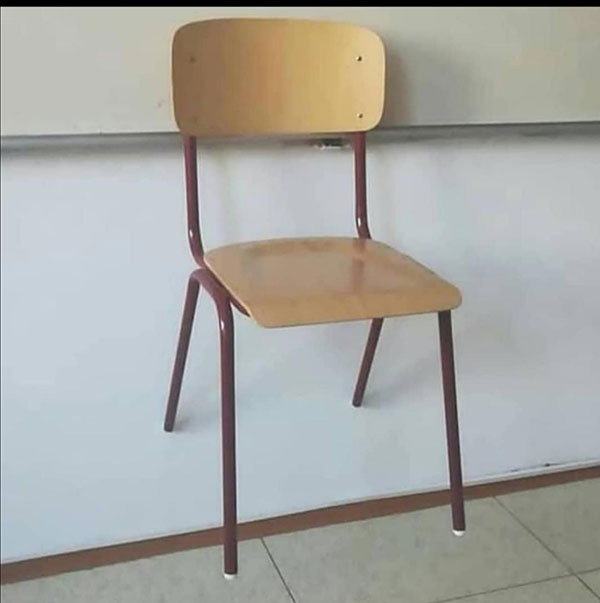
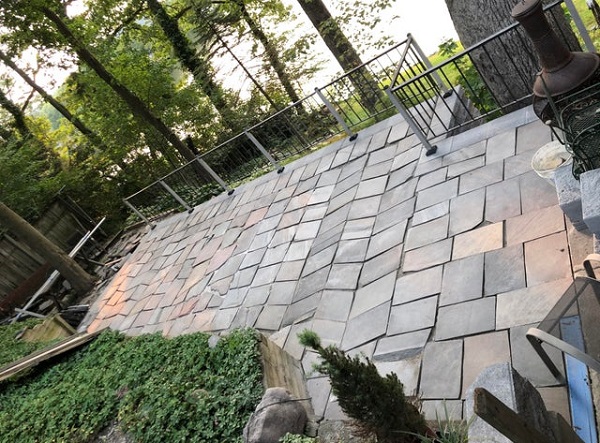
A collection of accidental optical illusions of floors and trickeye pictures of floors, tiles, carpets.
Click on the images to read the explanation of the optical illusion and the source/credit of the image.
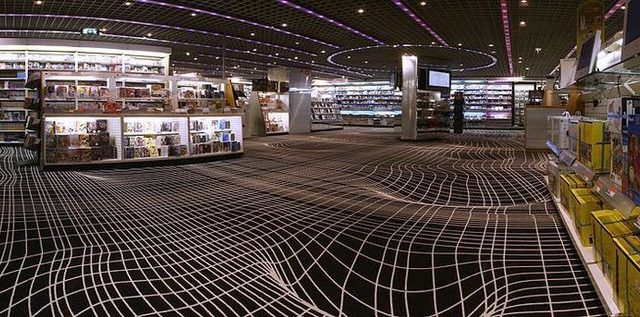
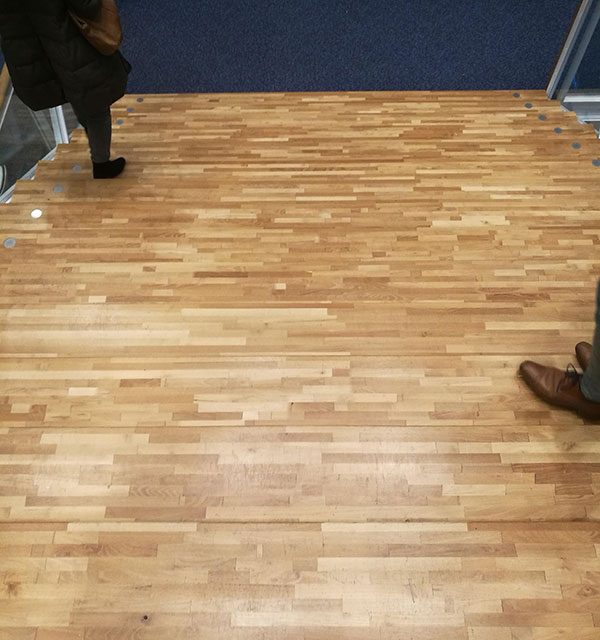
Why floors create optical illusions
Floors are usually something we don’t think much about. We instinctively assume they’re flat, solid, and safe to walk on. That expectation makes them the perfect canvas for optical illusions.
A clever pattern of tiles, an unusual carpet design, or a carefully painted mural can suddenly make a flat floor appear to contain deep holes, floating objects, or impossible staircases. These illusions work because your brain relies on perspective, shadows, and texture to judge depth and those cues are surprisingly easy to manipulate.
From tile patterns to 3D street art
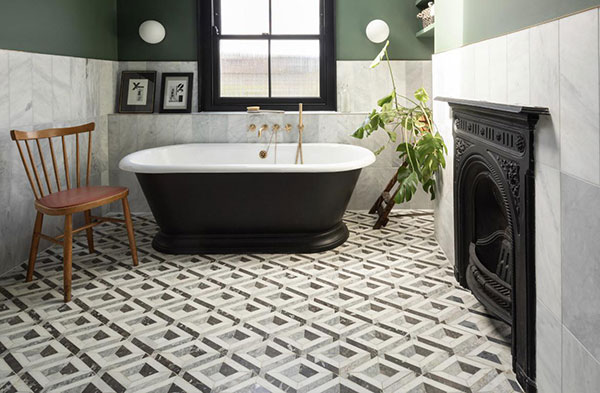
Some floor illusions happen by accident. A repeating tile pattern may appear to ripple, move, or create impossible shapes when viewed from a certain angle. Reflections and shadows can also distort our perception, making a perfectly ordinary floor look uneven or warped.
Other floor illusions are carefully designed. Anamorphic artists stretch their paintings across pavements so that, from one specific viewpoint, they transform into spectacular three-dimensional scenes. Museums and Trick Eye attractions around the world use the same principle, inviting visitors to become part of the illusion.