22 optical illusions with Category: Trees
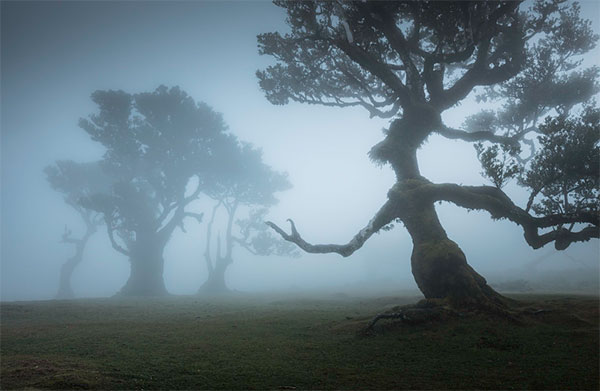
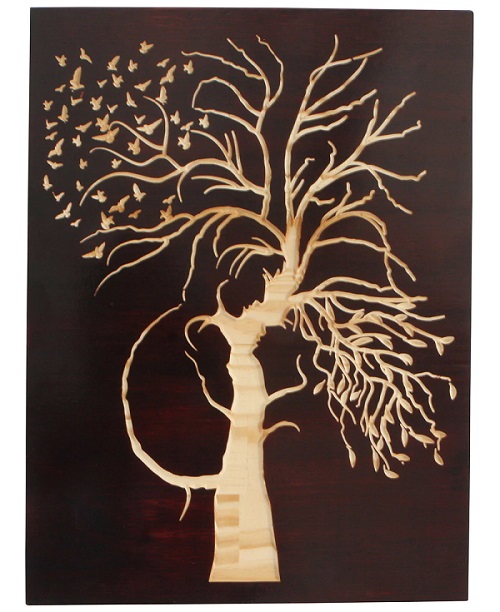
Trees have inspired artists for centuries, and it’s easy to see why. Their twisting trunks, tangled roots, and intricate branches naturally form patterns that our brains try to interpret. Many illusion artists deliberately use the branching structure of trees to hide faces, animals, or entire landscapes within their artwork. Others carve sculptures directly from wood, transforming a tree into something completely unexpected, such as the famous Tree of Love.
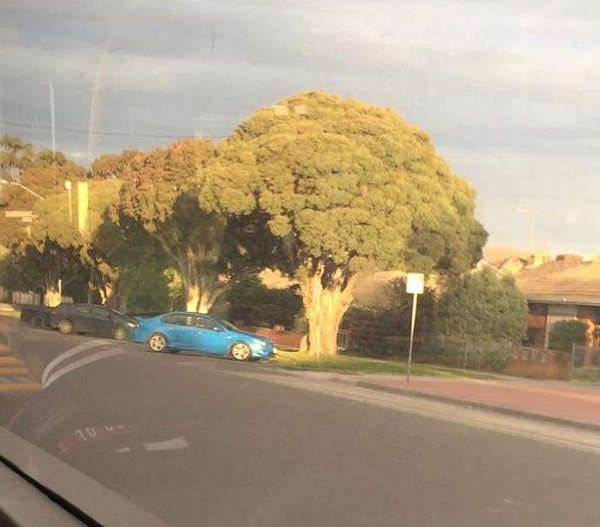
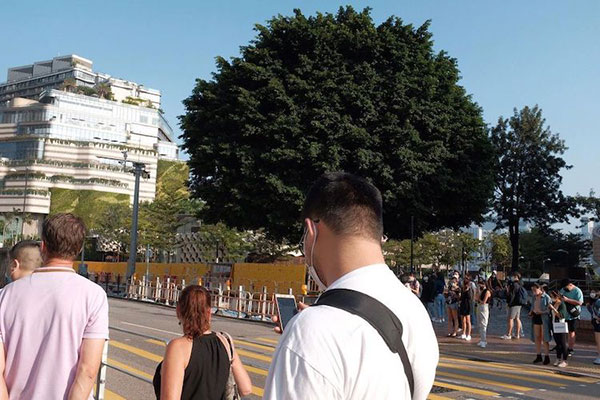
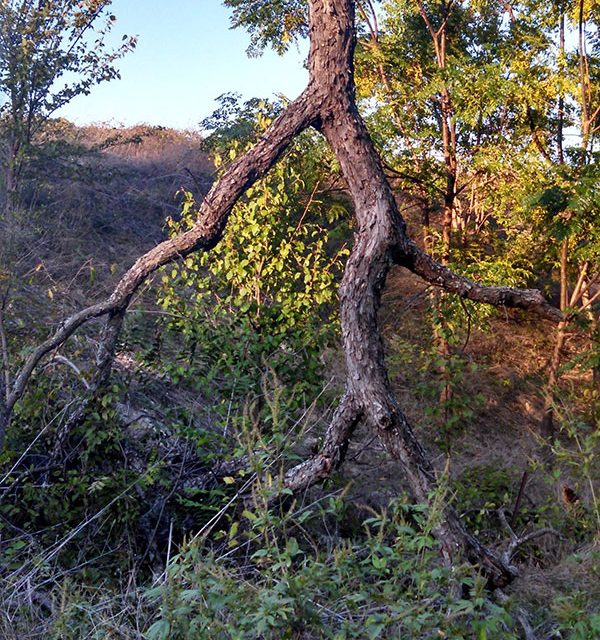
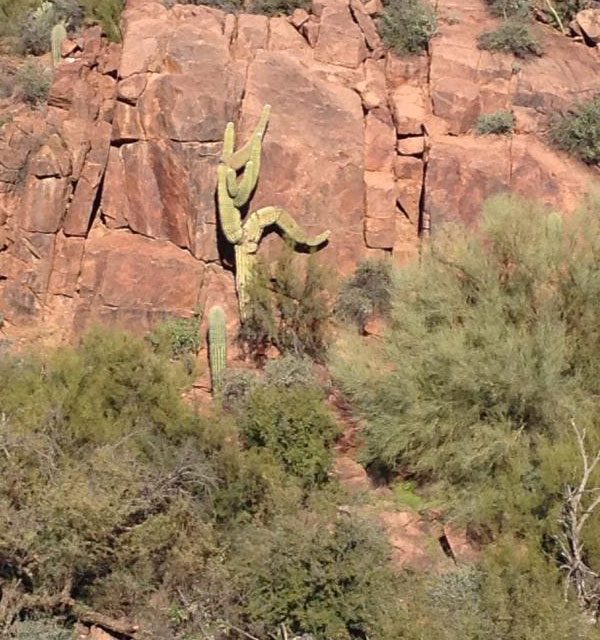
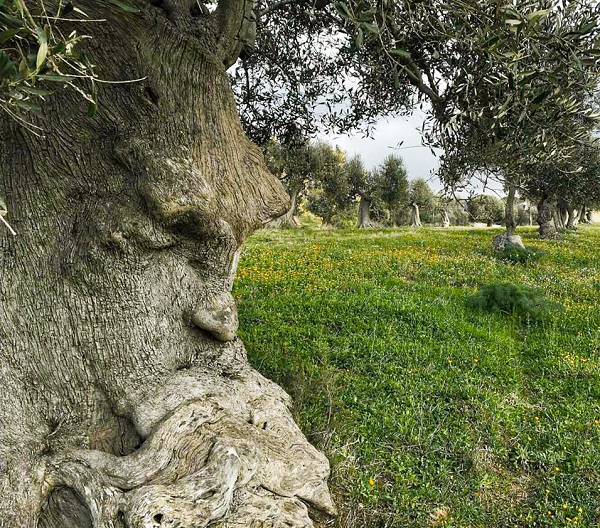
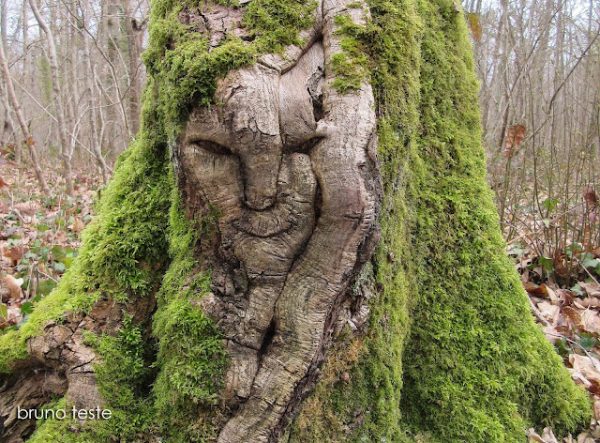
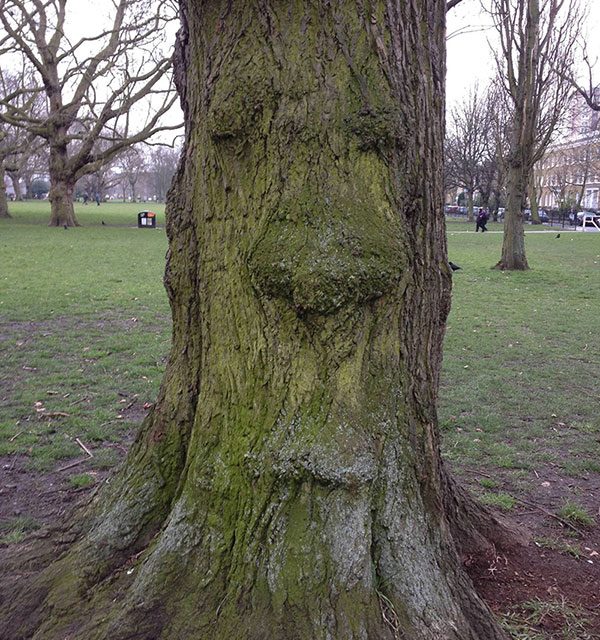
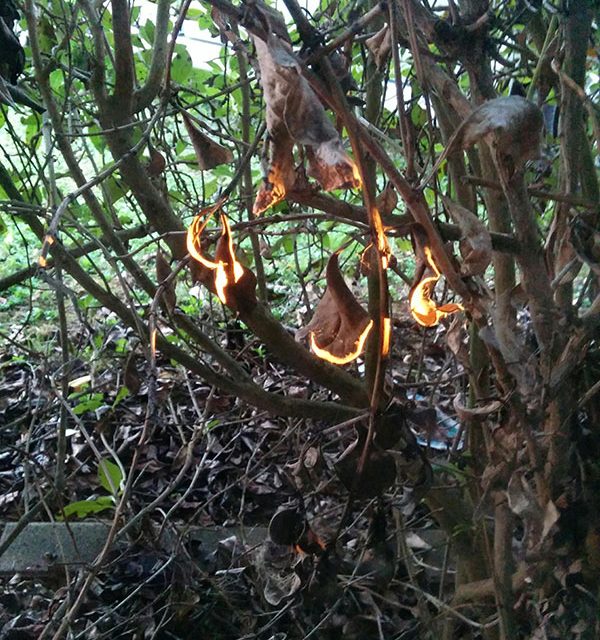
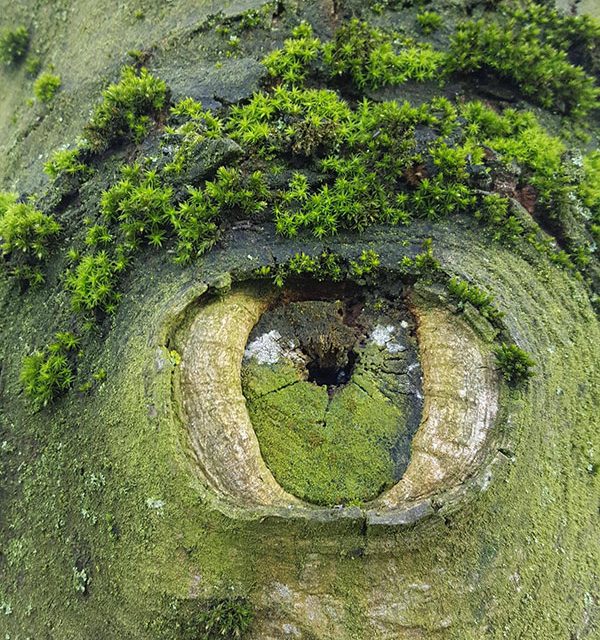
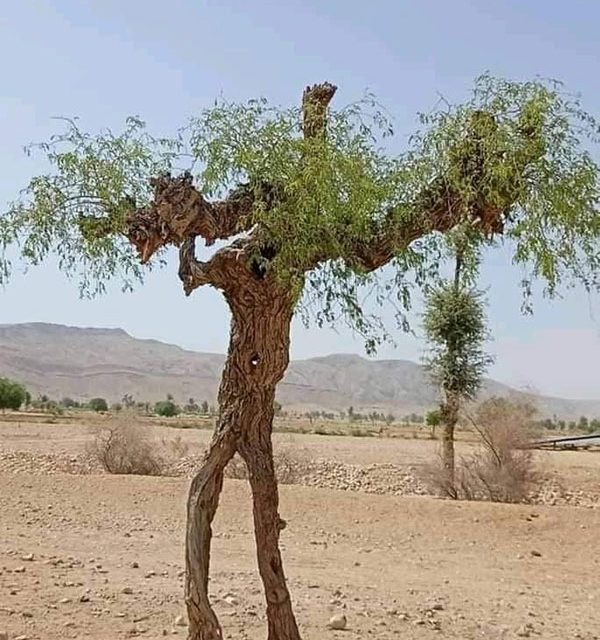
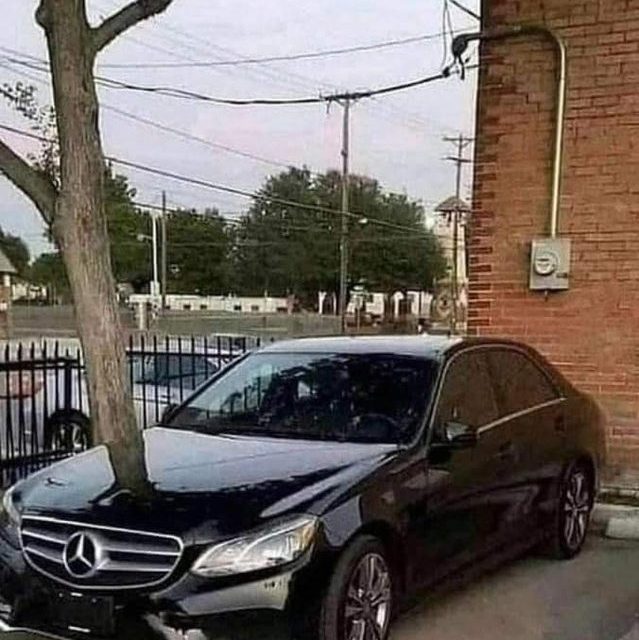
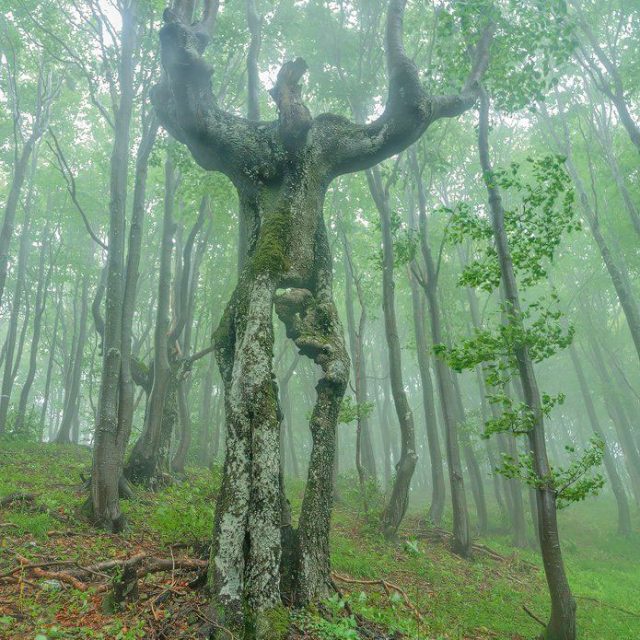
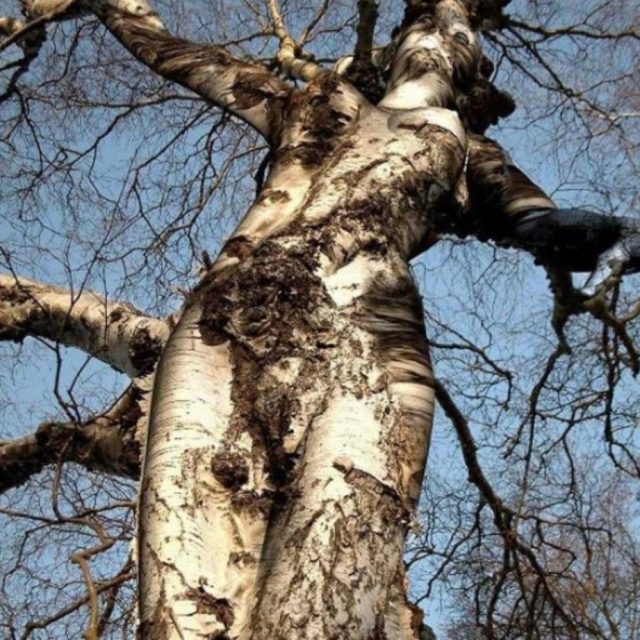
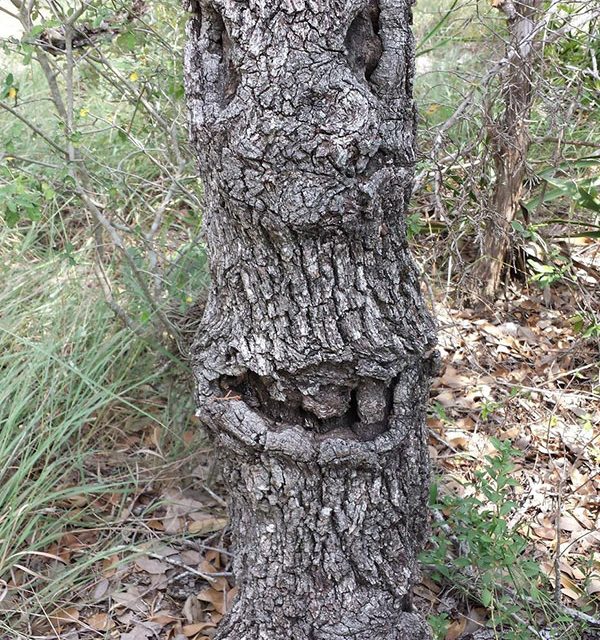
Tree illusion art can be breathtaking, but nature often creates even more convincing illusions without trying. A knot in the bark suddenly becomes a human face. Two branches form the silhouette of a dancing couple. A fallen trunk resembles a dragon, elephant, or giant snake. Unlike carefully planned artwork, these illusions happen entirely by chance, making them all the more satisfying to discover.
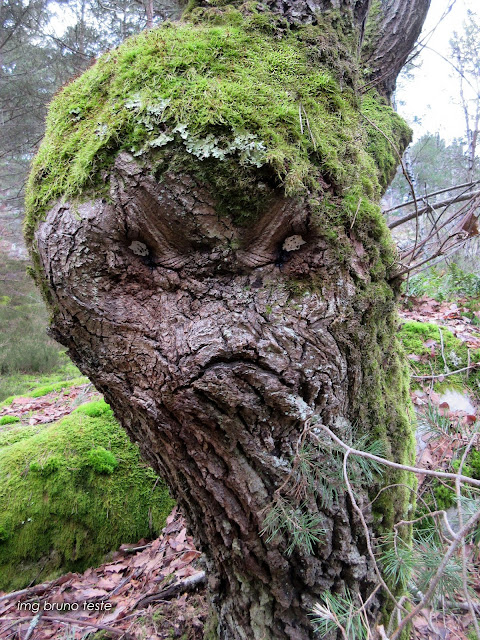

Why we see faces in trees
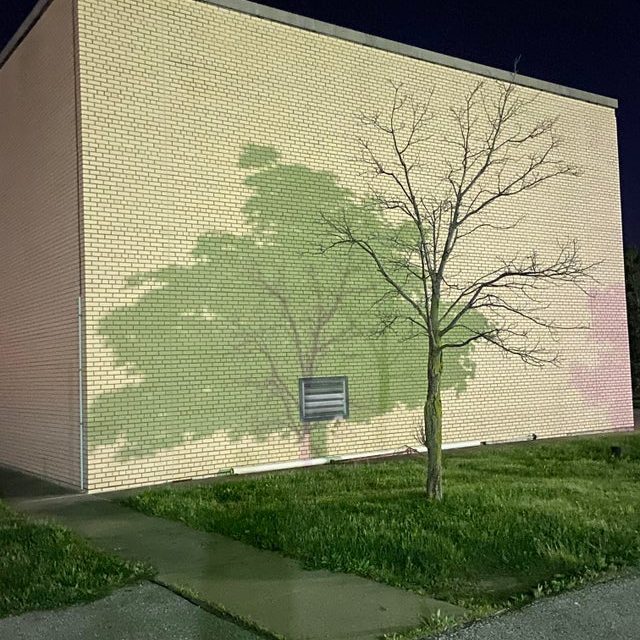
Trees are among the best examples of pareidolia. This is when we recognize familiar shapes in random patterns. Bark develops cracks and knots, branches intersect in unusual ways, and shadows change throughout the day. Together they create just enough visual information for the brain to ‘complete the picture’, often turning an ordinary tree into a face, an animal, or even a mythical creature. Once you notice the hidden image, it’s almost impossible to unsee it.
Nature’s living sculptures
Unlike sculptures carved from stone or wood, living trees continue to grow and change throughout their lives. Every branch, scar, and knot tells part of that story, creating new patterns year after year. That’s what makes tree optical illusions so fascinating. No two are ever quite the same, and new ones are constantly being created by nature itself.