22 optical illusions with Category: Shadows
Shadows play a crucial role in how we understand the world around us. They help us judge the shape, size, distance, and position of objects, allowing our brains to build a three-dimensional picture from the two-dimensional images reaching our eyes. Most of the time these assumptions are remarkably accurate. Occasionally, however, a shadow breaks the rules, creating an optical illusion that makes us question what we’re really seeing.
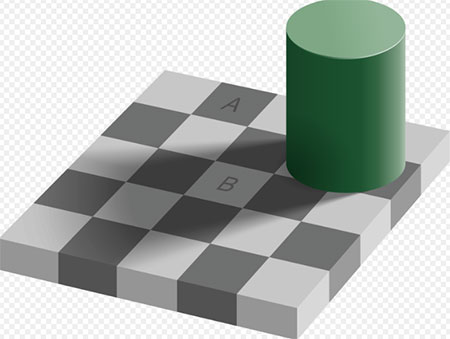
Source: Edward H. Adelson
The Checker Shadow Illusion, developed by vision scientist Edward Adelson, demonstrates how the brain automatically adjusts for lighting conditions. Two squares that are physically the same shade of grey appear dramatically different simply because one seems to lie in shadow. It’s a powerful reminder that perception isn’t just about what reaches our eyes—it’s about how our brains interpret it.



One reason shadow illusions work so well is that the human brain assumes light usually comes from above; typically the Sun or overhead lighting. When shadows appear in unexpected places or lighting comes from an unusual direction, our perception of depth can flip completely. Hills suddenly become holes, bumps appear to become dents, and ordinary objects can take on impossible shapes.
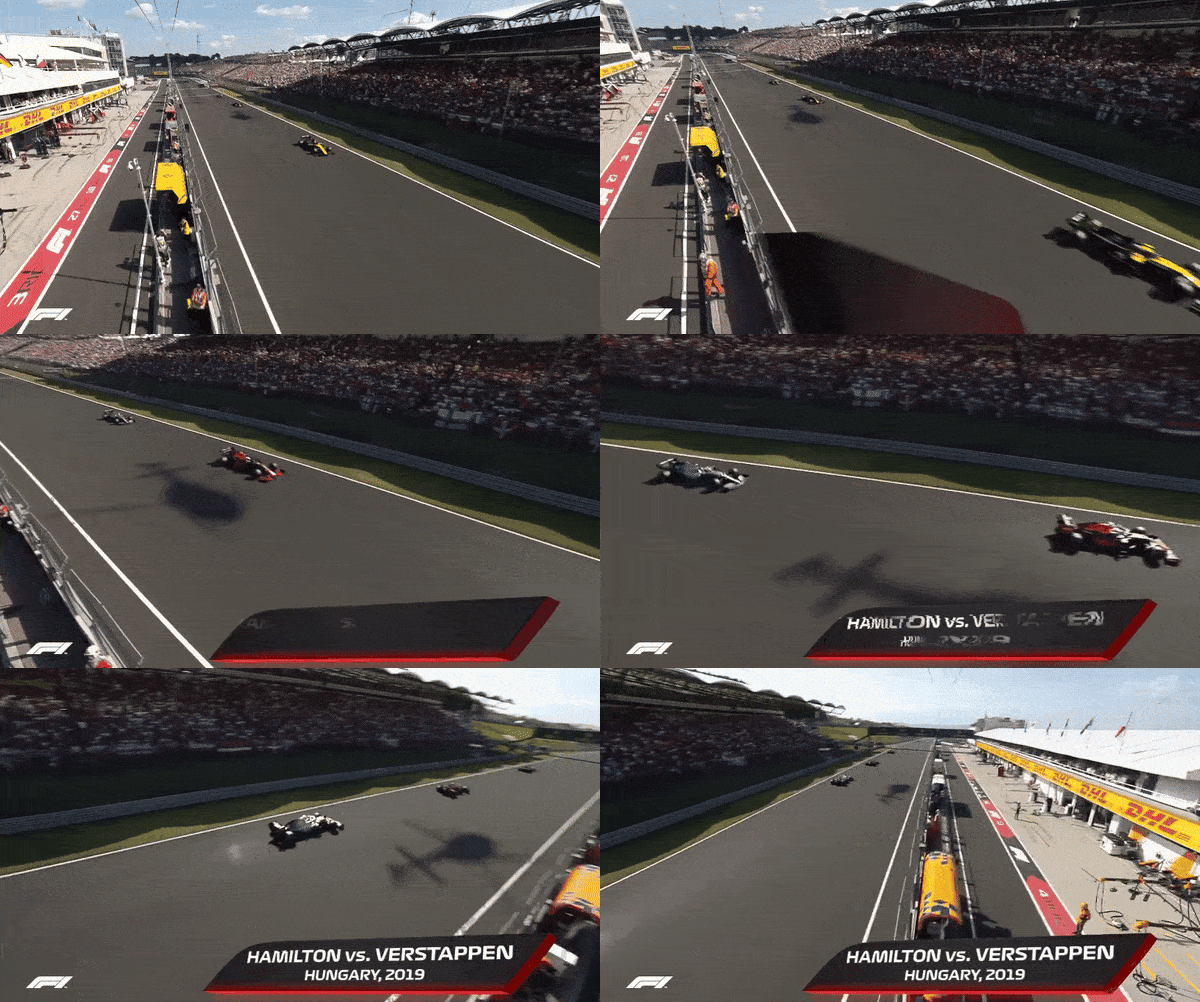
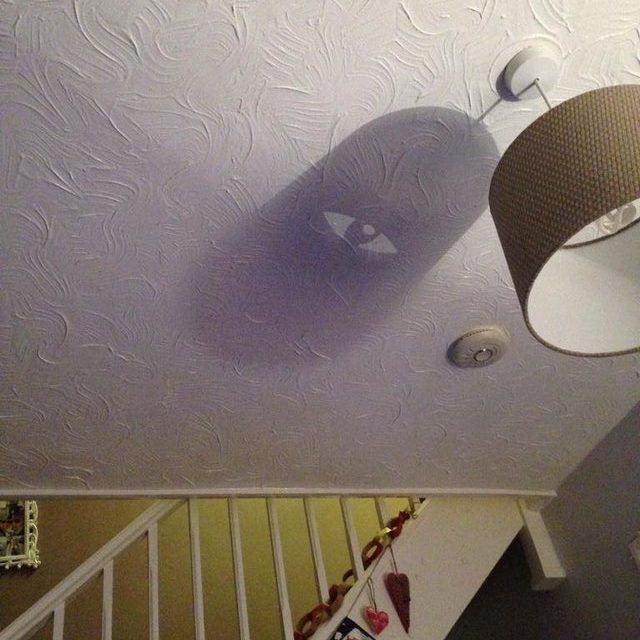


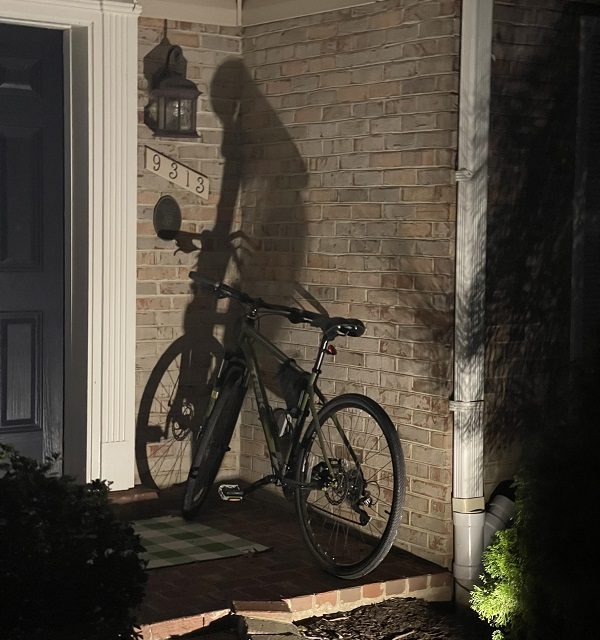

When the shadow doesn’t match
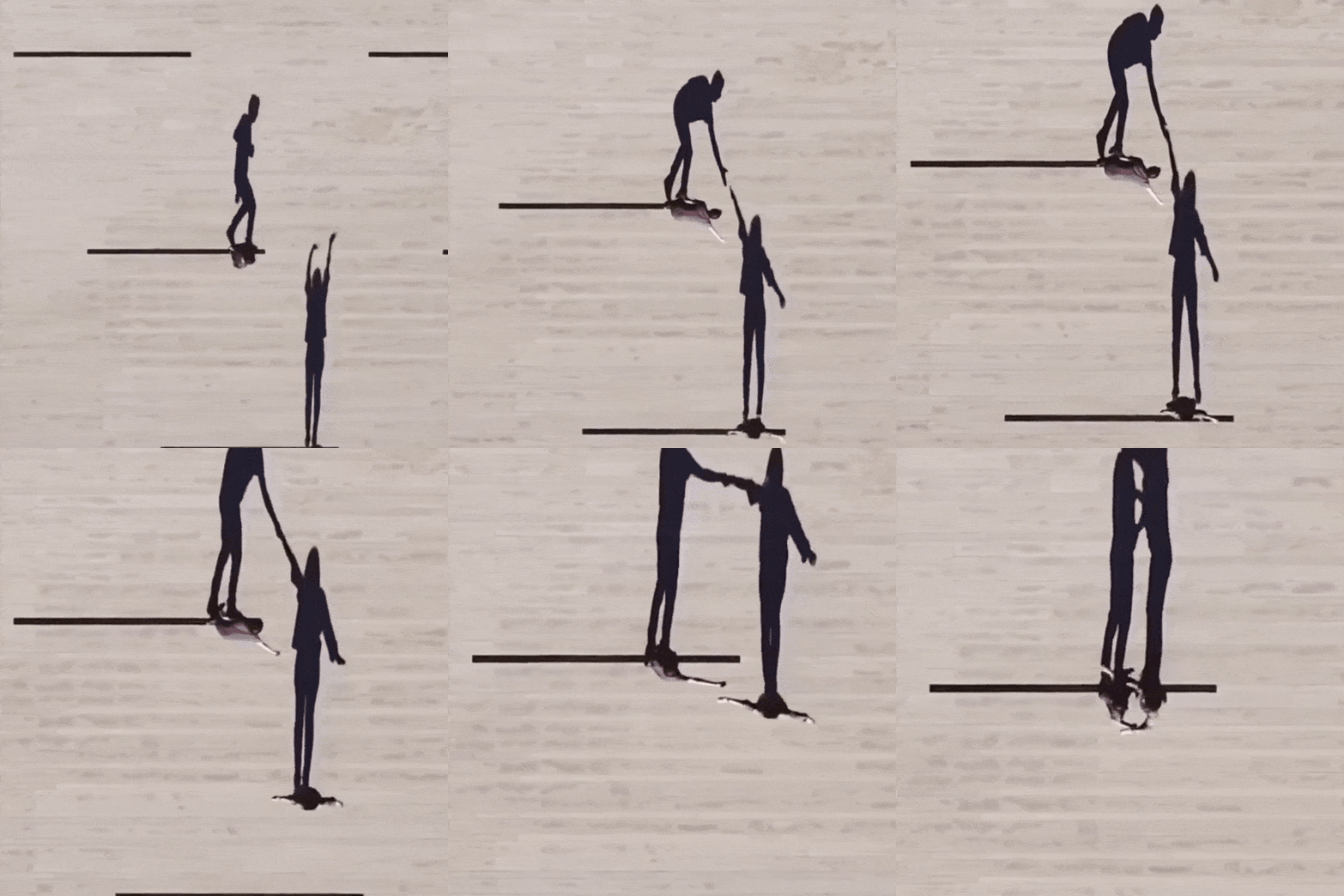
Some of the funniest optical illusions happen when an object’s shadow appears to tell a completely different story. A harmless statue casts the shadow of a monster, a bicycle seems to become a ghost, or a person’s silhouette transforms into something unexpected. These playful images work because our brains naturally assume that an object’s shadow should faithfully represent the object casting it. When it doesn’t, we’re instantly intrigued.
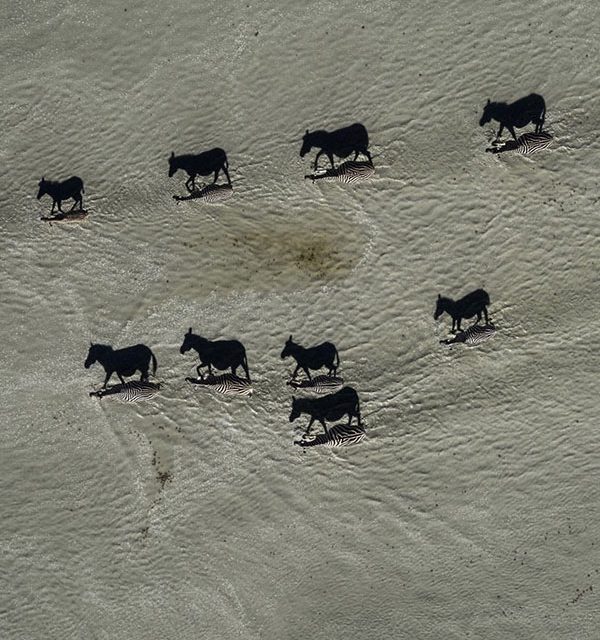


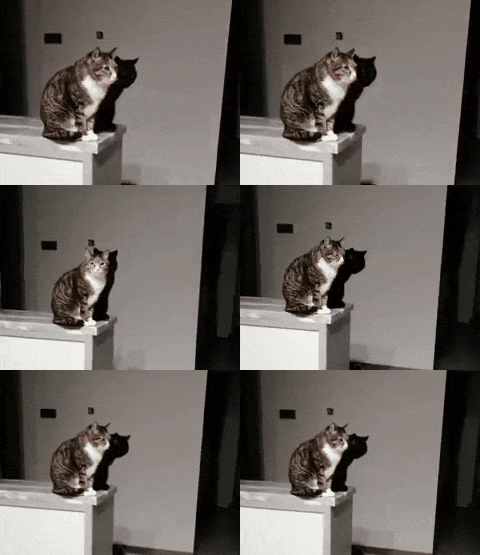


Shadows that aren’t really shadows
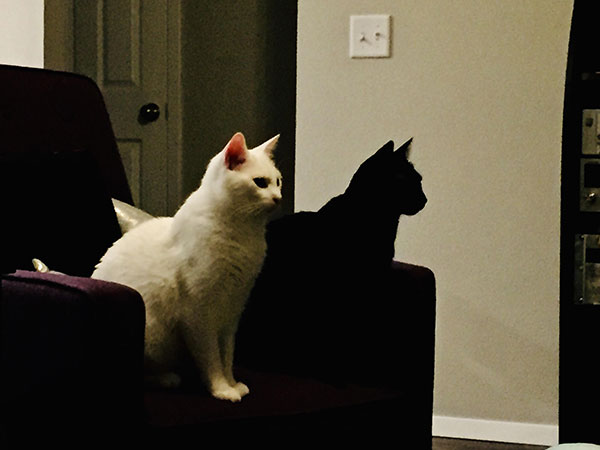
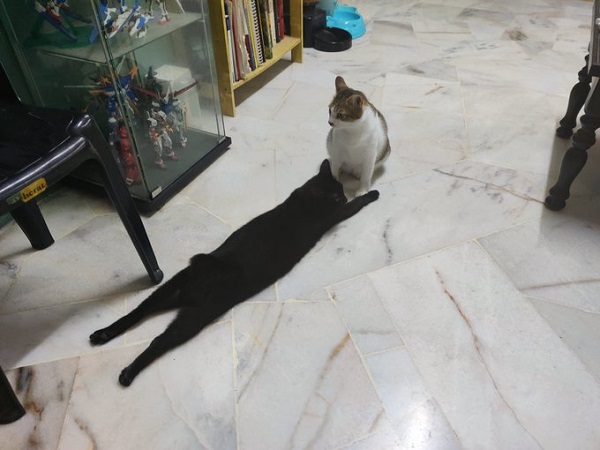
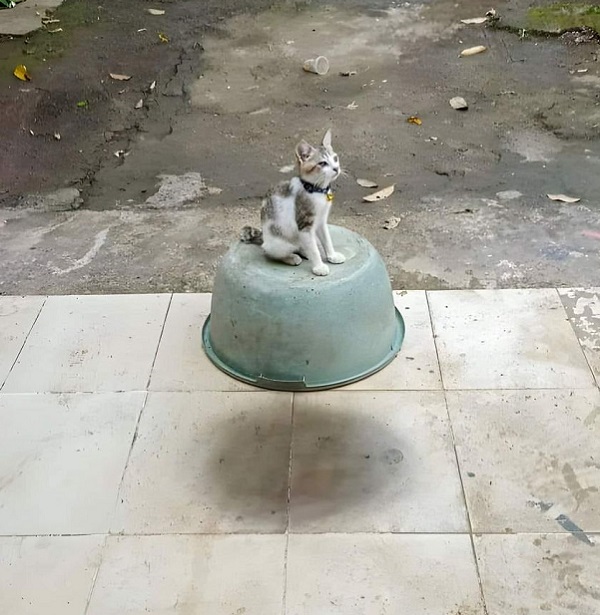
Not every dark shape is actually a shadow. Reflections, patches of darker colour, stains, or even a black cat can all be mistaken for shadows. Our visual system constantly searches for clues about lighting and depth, and sometimes it reaches the wrong conclusion. These cognitive shortcuts usually help us navigate the world quickly, but they also make shadow illusions surprisingly convincing.