17 optical illusions with Category: Buildings
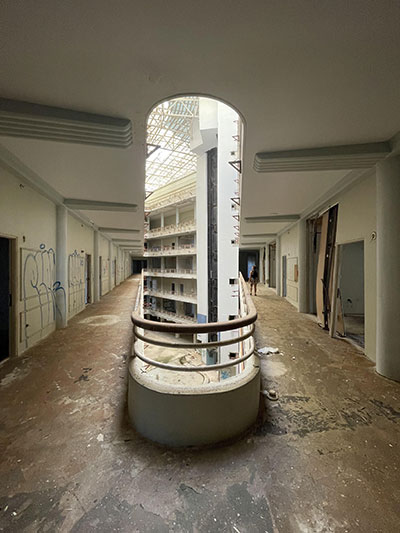
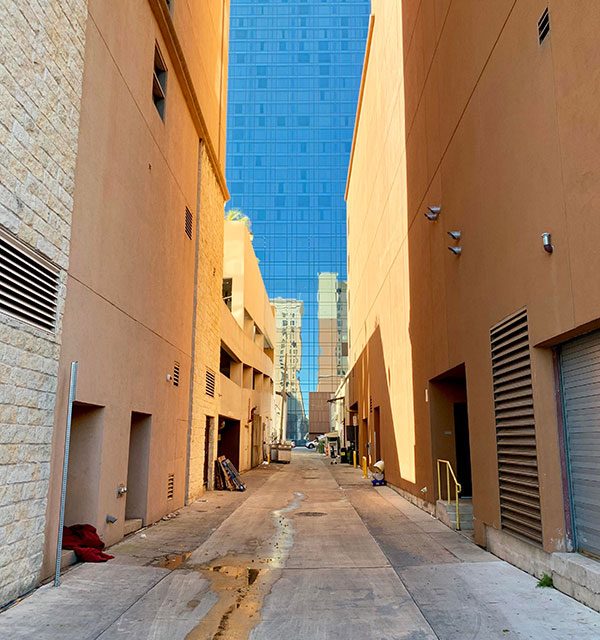
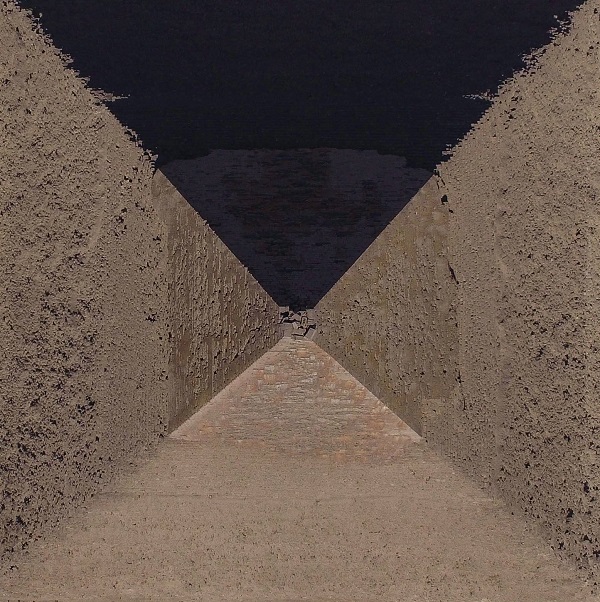
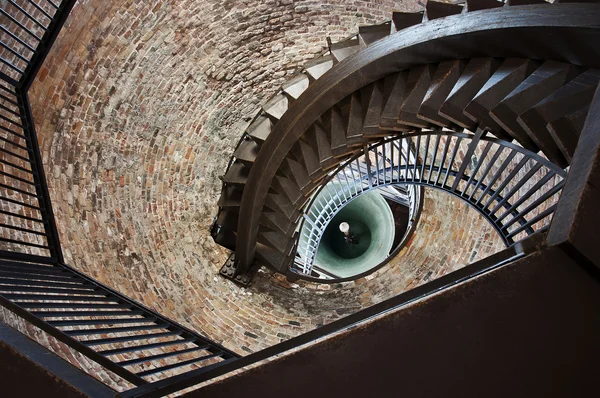
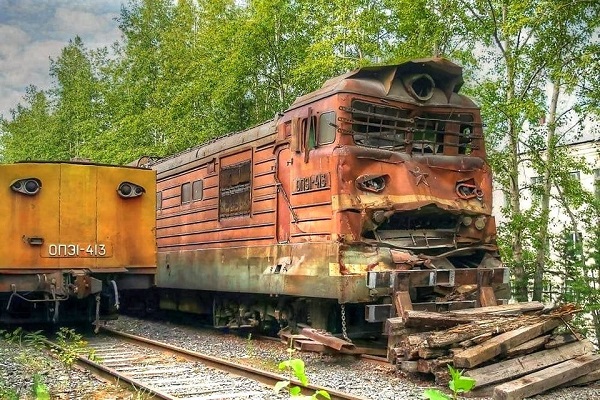
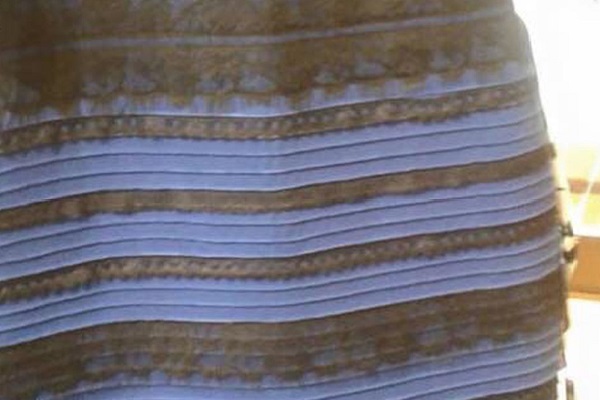
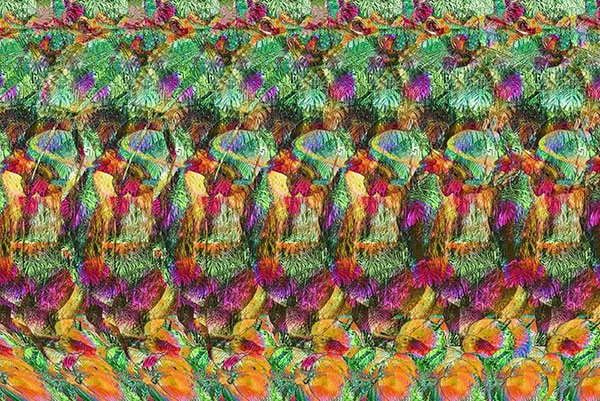
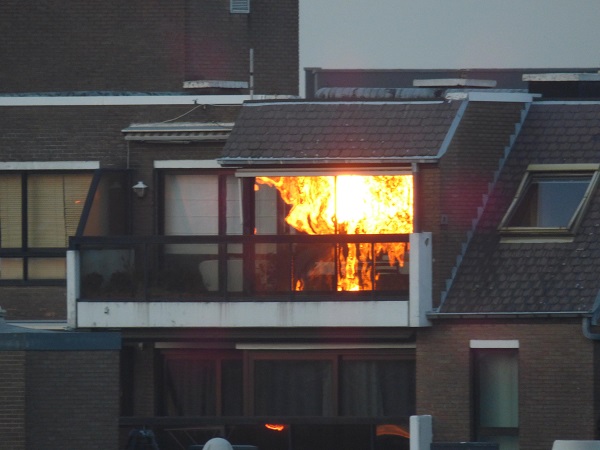
Buildings don’t move, but they can certainly fool your eyes. This collection features optical illusions involving buildings and architecture, from accidental photographs where reflections or perspective create impossible scenes to cleverly designed structures that manipulate how we perceive space.
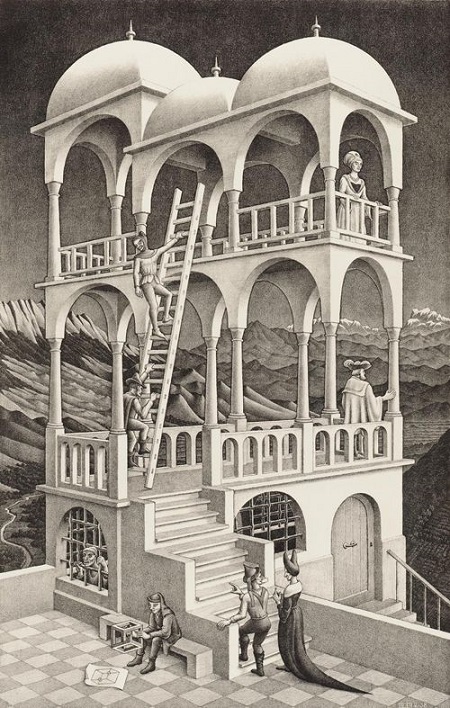
Click on the images below to see the larger version and read the explanation of the optical illusion and the source/credit of the image.

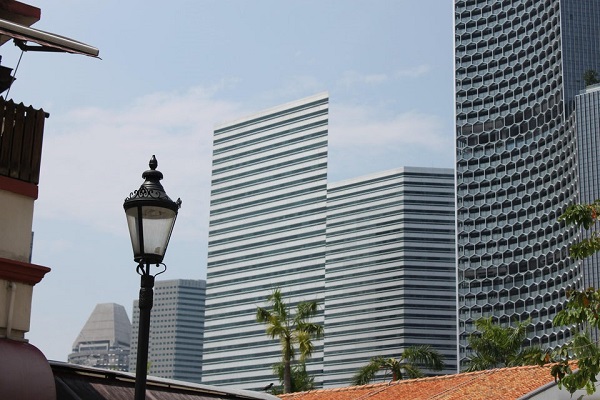
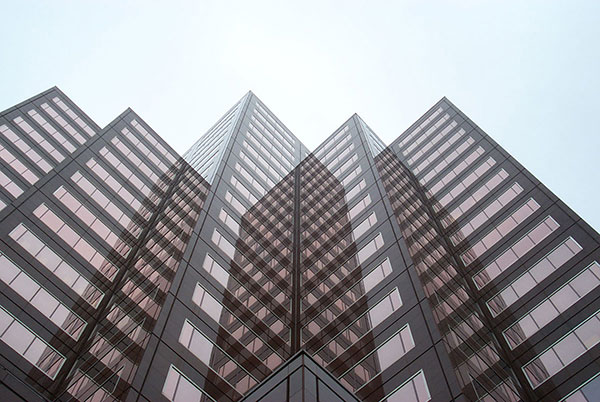

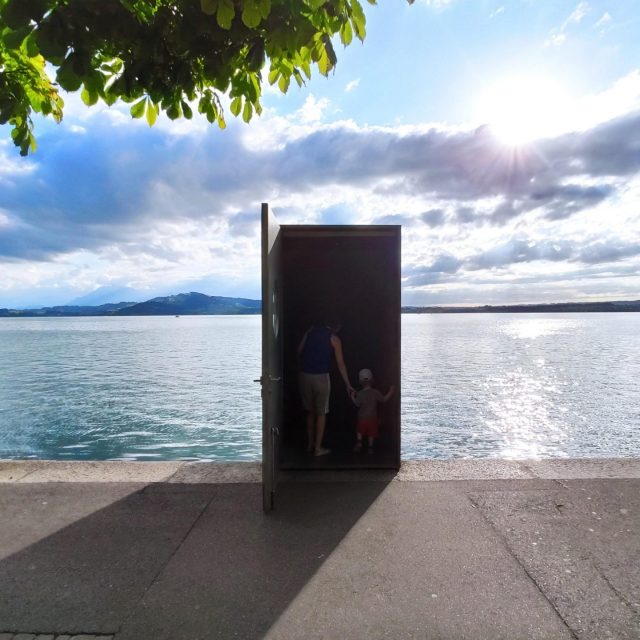
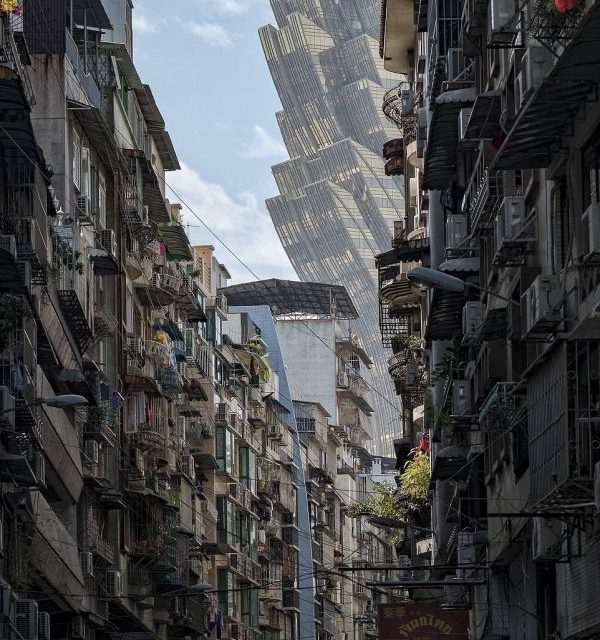
Buildings that fool the eye
Buildings are usually designed to be stable, predictable, and easy to understand. Yet under the right conditions, they can become some of the most convincing optical illusions.
A glass skyscraper may disappear into the sky. Reflections can turn windows in anything. And a carefully chosen camera angle can completely change the shape or size of a building.
Some of these illusions happen by accident, while others are created intentionally by architects and artists who understand how we perceive space.
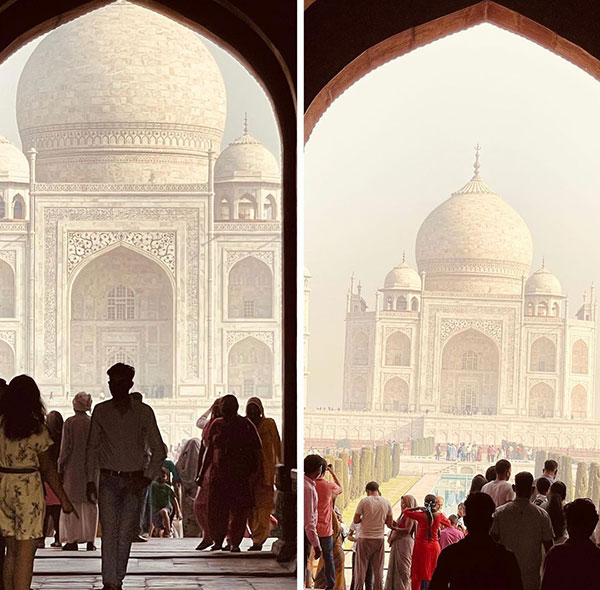
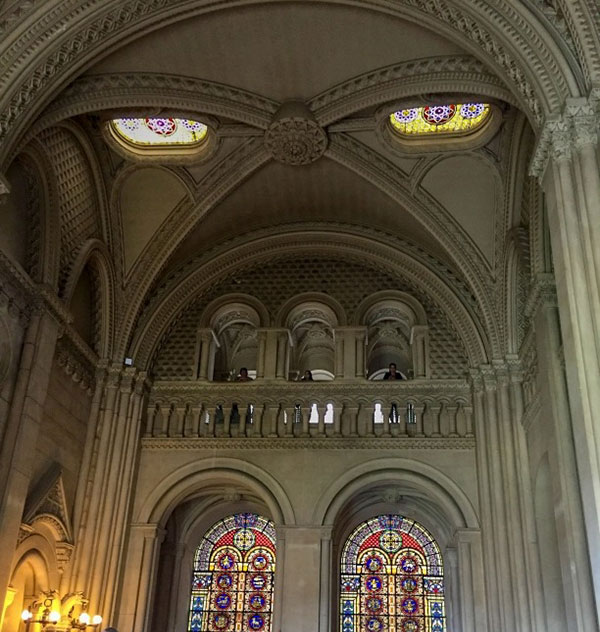
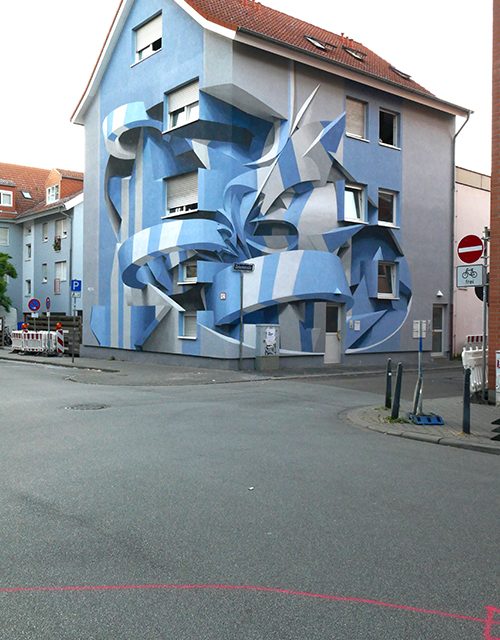
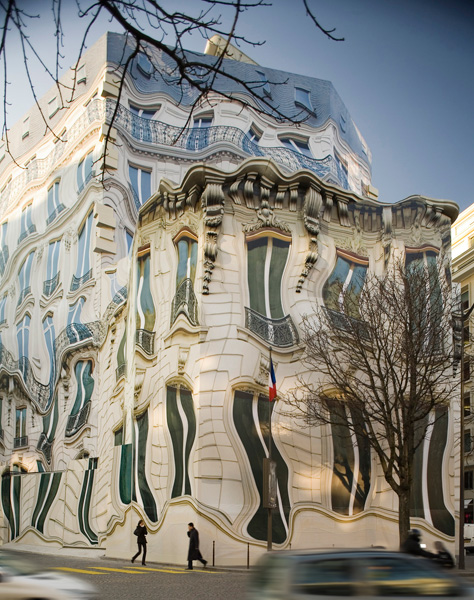

When architecture becomes art
Not every architectural illusion is accidental. Throughout history, architects have deliberately designed buildings to influence perception.
The ancient Greeks used entasis to make columns appear perfectly straight. Renaissance architects mastered forced perspective to make spaces look much larger than they really were. Today, reflective glass, perforated façades, and dynamic surfaces create buildings that seem to change as you walk past them.
If you’d like to learn more about these techniques, read our article on optical illusions in architecture.