
15 optical illusions with Category: Landmarks
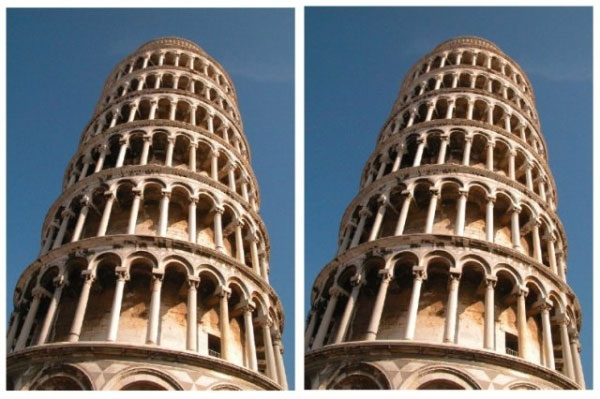
Some of the world’s most famous landmarks are optical illusions in their own right. Others become the perfect backdrop for creative photographs that play with perspective, scale, and timing. Whether it’s a mountain that resembles a sleeping giant or thousands of tourists appearing to hold up the Leaning Tower of Pisa, these locations remind us that where we stand can completely change what we see.
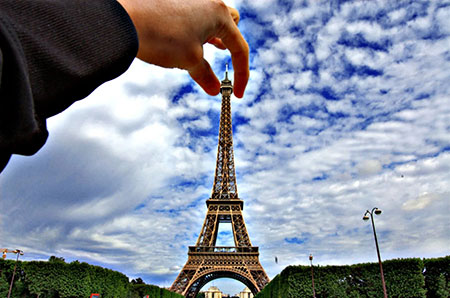
Credit: Vincent Lock
Famous places, forced perspectives
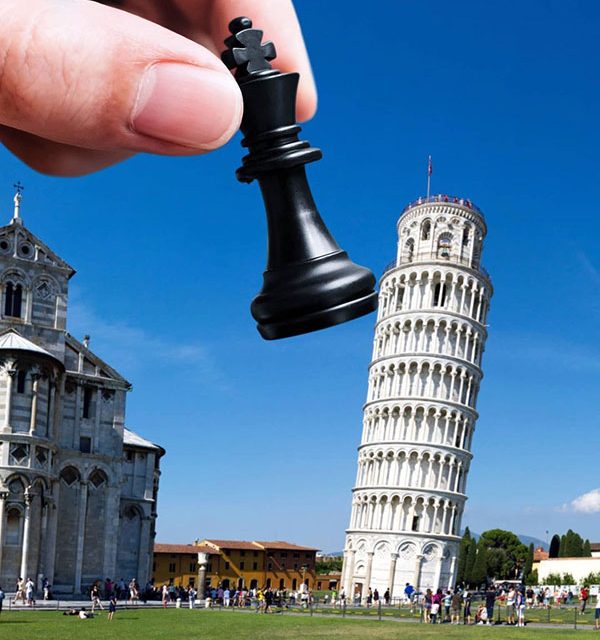
Every day, visitors create thousands of forced-perspective photographs at famous landmarks. A person appears to pinch the top of the Eiffel Tower, catch the Moon between their fingers, or balance the Leaning Tower of Pisa with one hand. These playful images work because photographs compress a three-dimensional world into a flat image, making distant objects appear much closer than they really are.



Landmarks that fool the eye
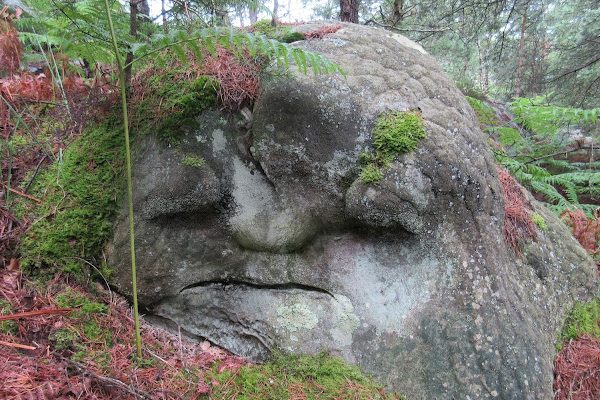
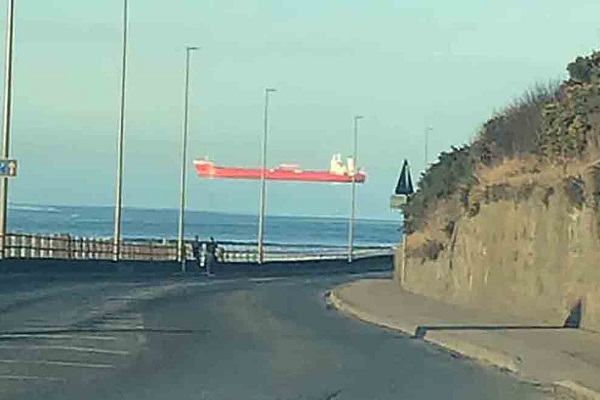
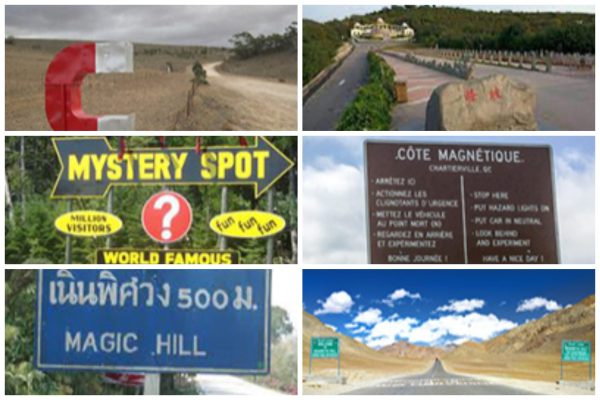
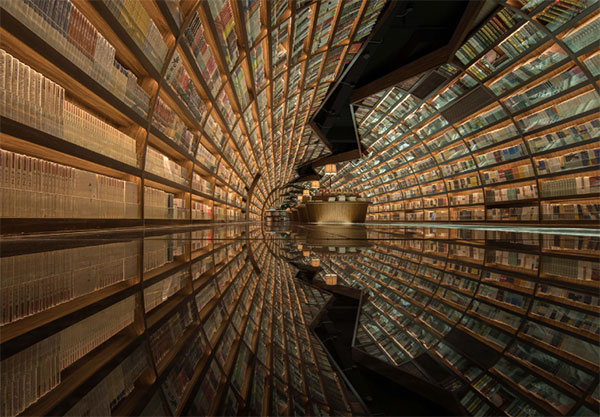
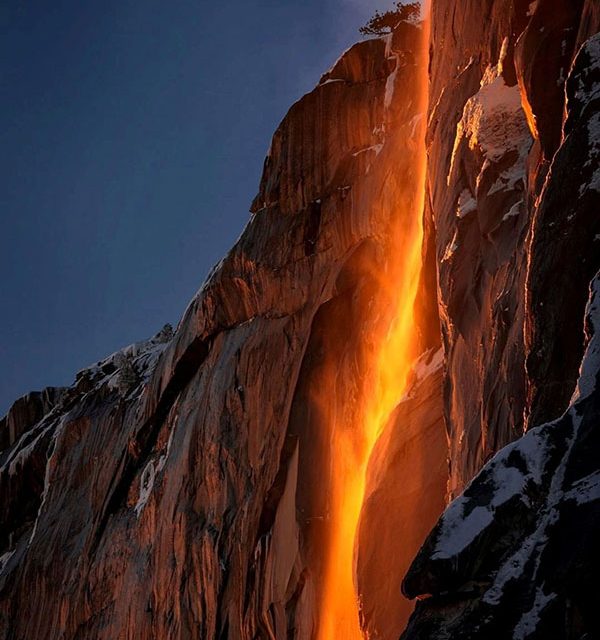
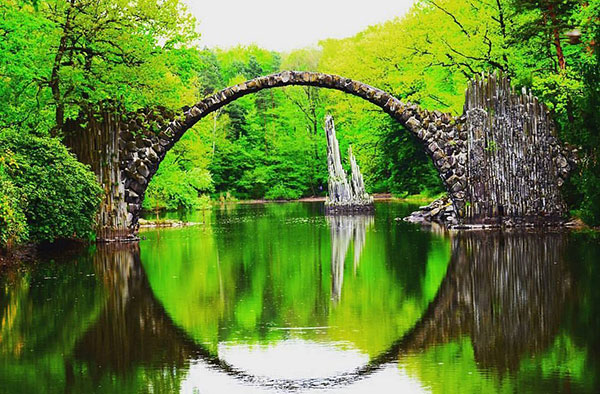
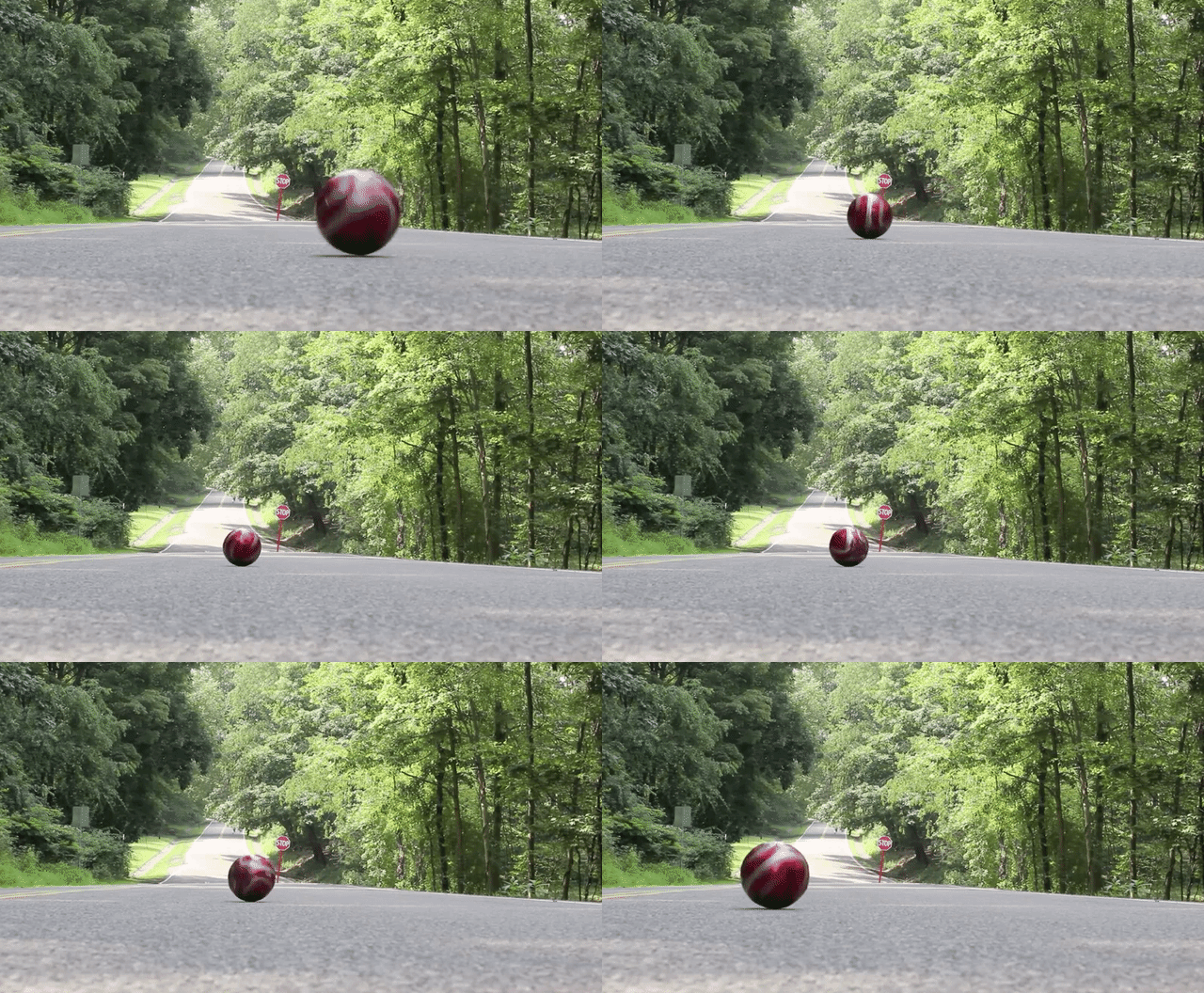
Some landmarks don’t need creative photography to create an illusion. Gravity Hills make vehicles appear to roll uphill, perfectly symmetrical reflections can make mountains seem to float, and unusual rock formations resemble giant faces or animals. Around the world, nature and architecture have combined to create places that challenge our perception even before a camera comes into play.



Why location matters
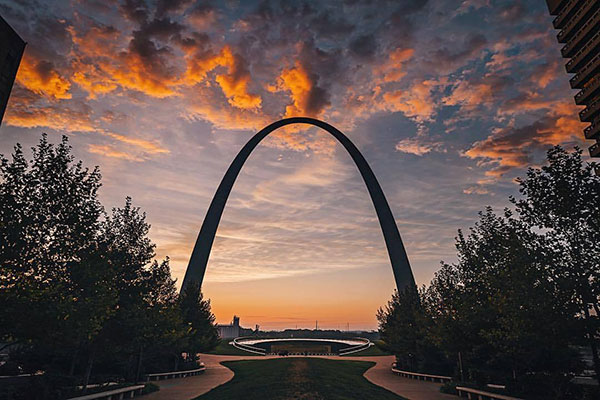
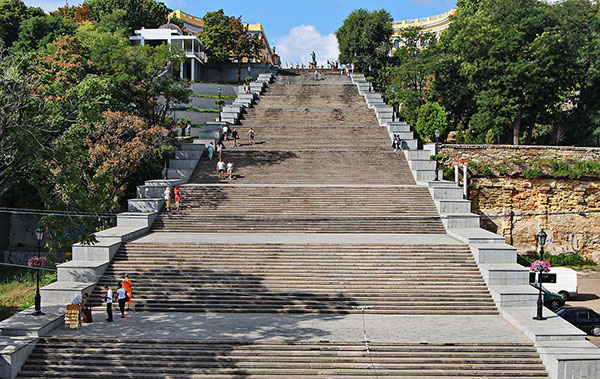
Optical illusions often depend on viewing angle. Take a few steps to the left or right and the illusion disappears completely. That’s why many famous landmarks have specific “photo spots” where visitors queue to recreate the same remarkable image. From that exact position, perspective aligns perfectly to create a convincing illusion that seems impossible from anywhere else.
A different way to see the world
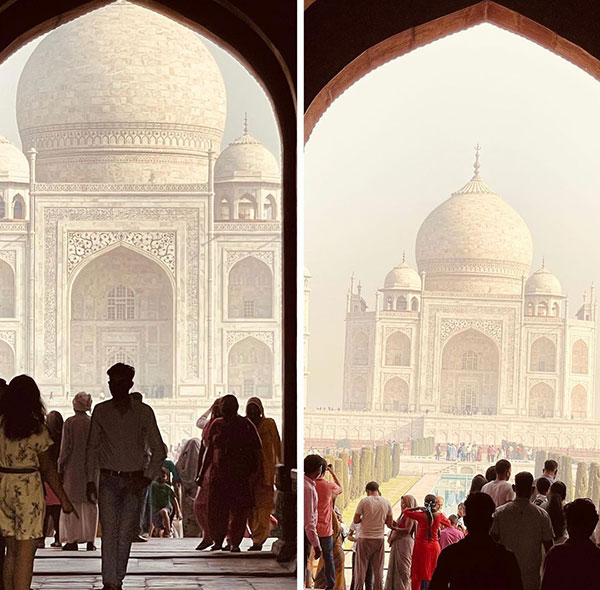
One of the joys of travel is discovering that famous places can look completely different depending on the light, the weather, and your point of view. Sometimes the most memorable photograph isn’t the postcard view—it’s the one that surprises you. These landmark optical illusions encourage us to slow down, look carefully, and appreciate how easily our perception can be transformed.