23 optical illusions with Category: Birds
Birds are among the most fascinating subjects in optical illusion photography. Their ability to fly, their constantly changing silhouettes, and the open skies they inhabit create endless opportunities for visual tricks.
A perfectly timed photograph can make a bird appear enormous, give someone a pair of wings, or transform an ordinary scene into something magical. Many of the most convincing bird illusions last only a fraction of a second before the moment is gone forever.
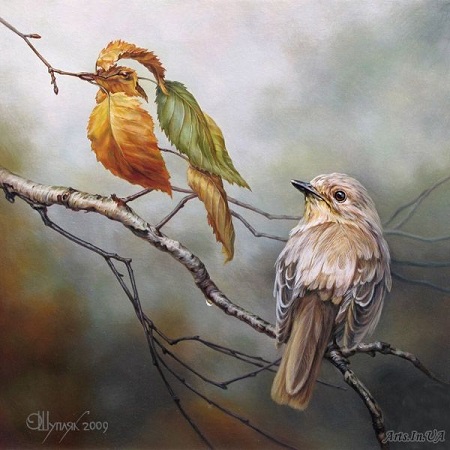
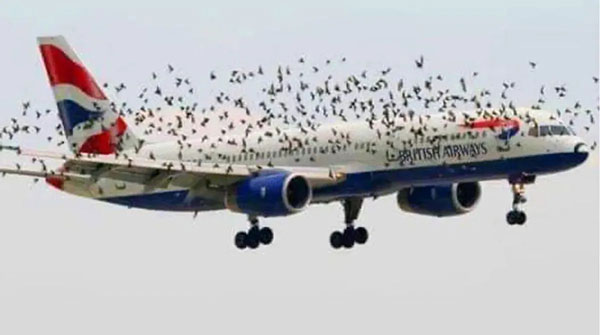
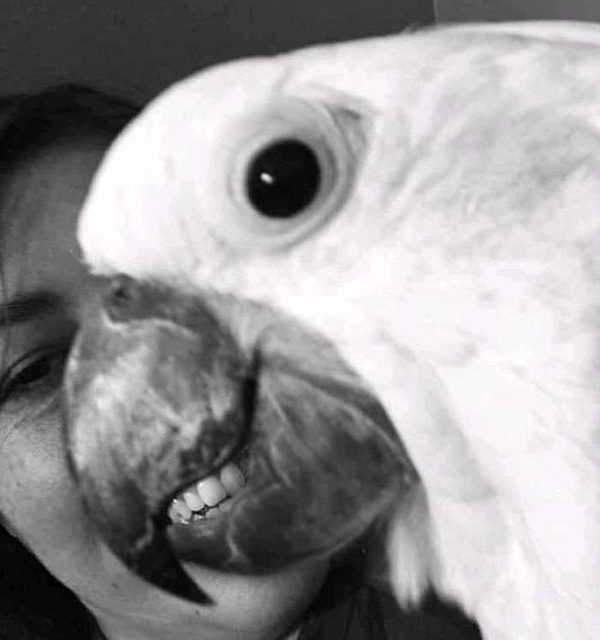
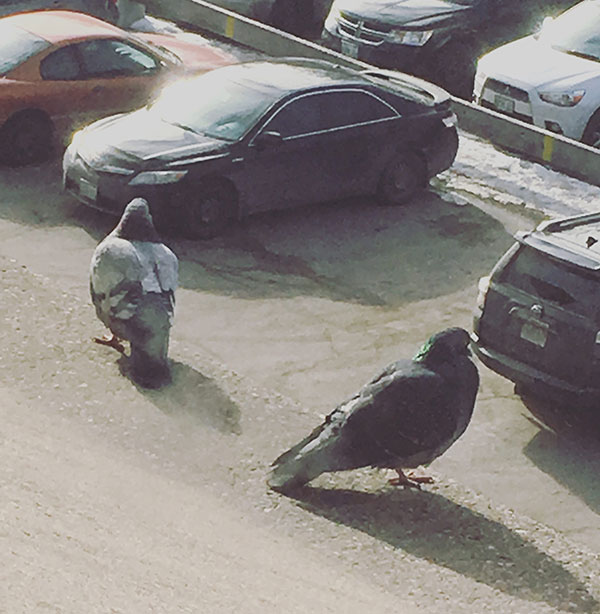
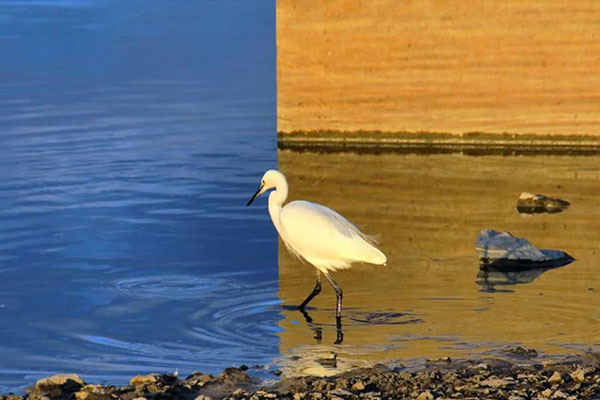
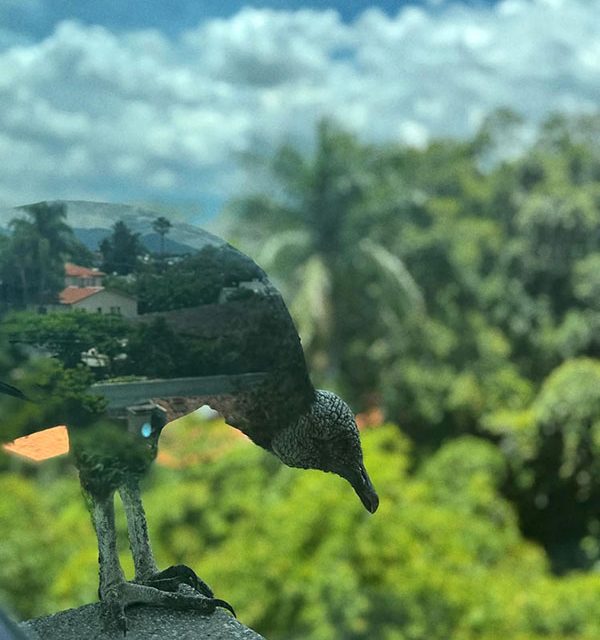
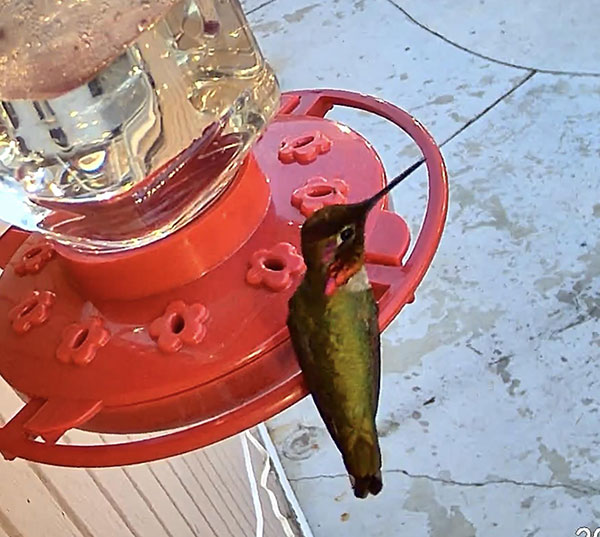
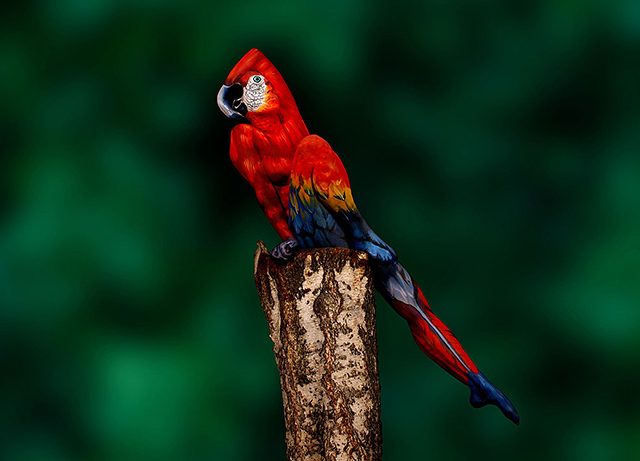
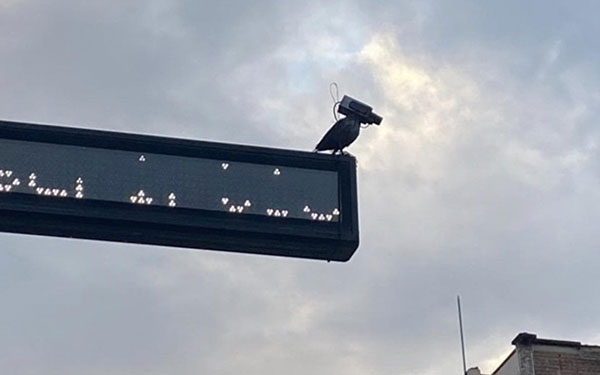
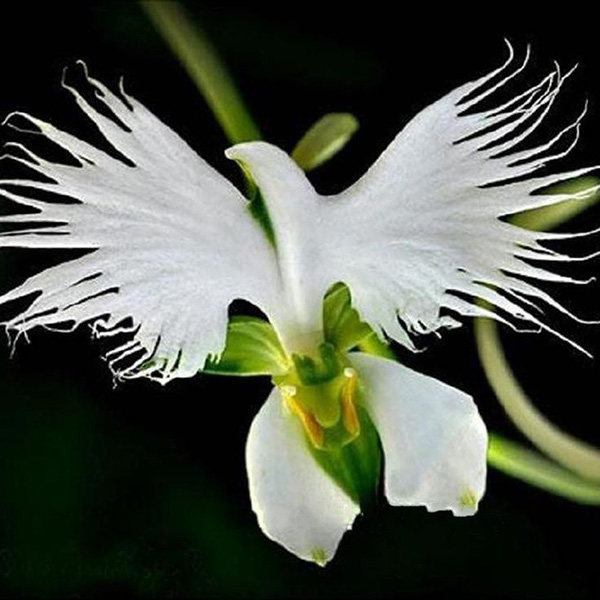
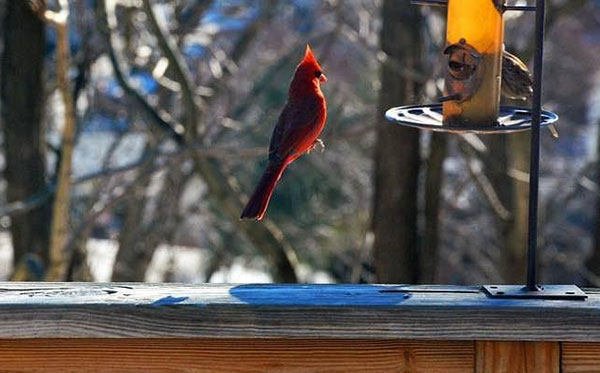
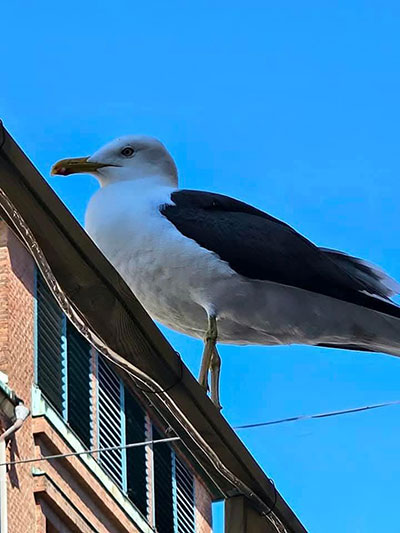
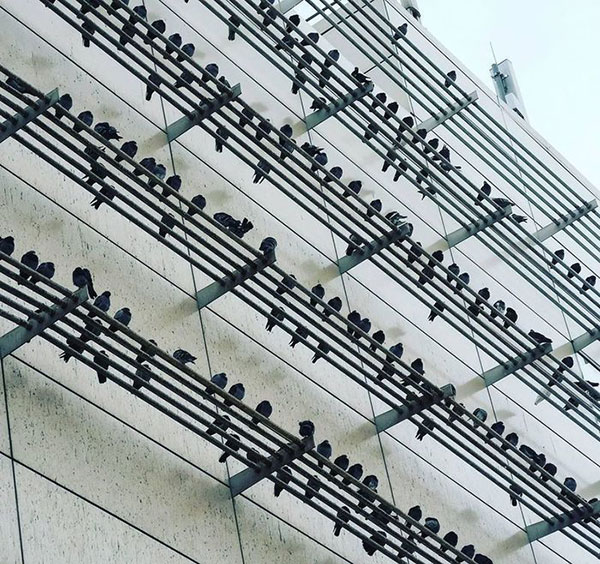
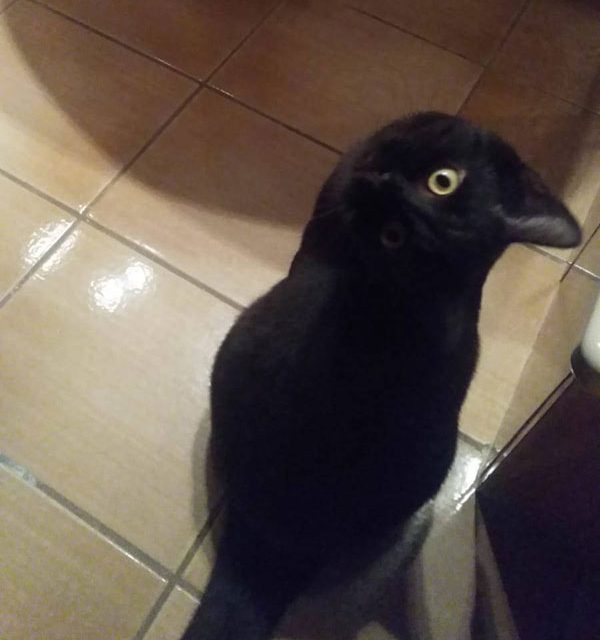
Have a closer look and see which images do not actually feature a bird, but just look like a bird.
Click on the images to see the larger version and read the explanation of the optical illusion and the source/credit of the image.
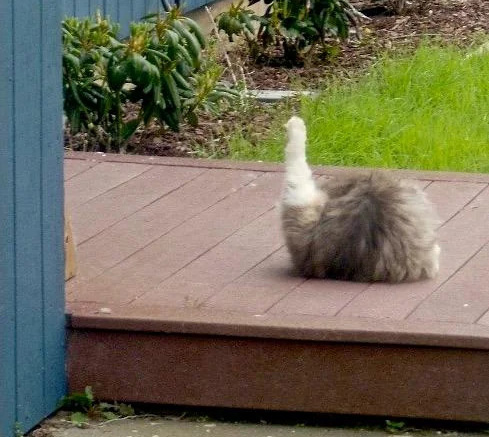
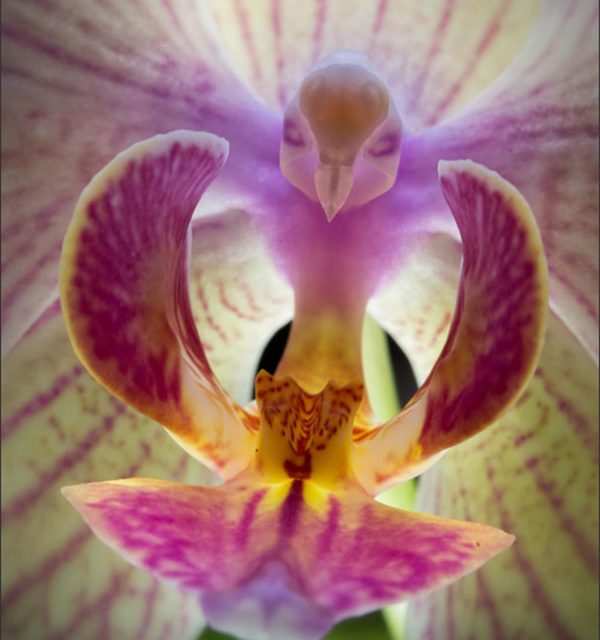
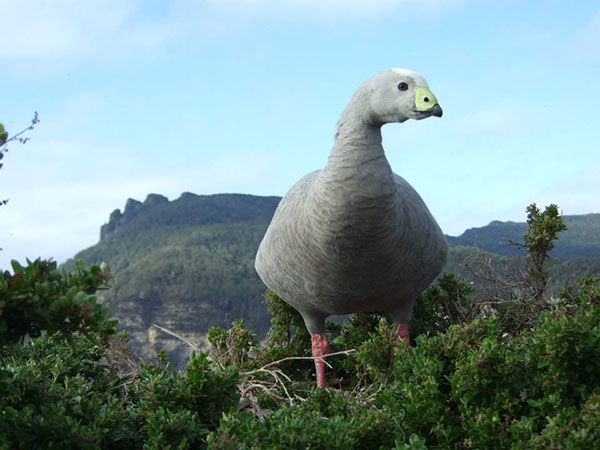
The art of perfect timing
Unlike buildings or landscapes, birds rarely stay still. Every flap of a wing creates a new shape, and a photograph freezes just one instant of that movement. Sometimes that instant produces remarkable illusions: a bird seems to wear another bird’s wings, land on the moon, or become part of a completely different object. These accidental alignments often look impossible, even though nothing in the image has been edited.
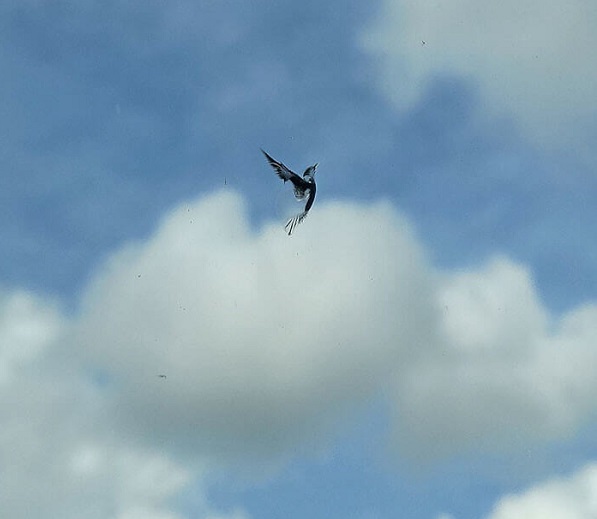
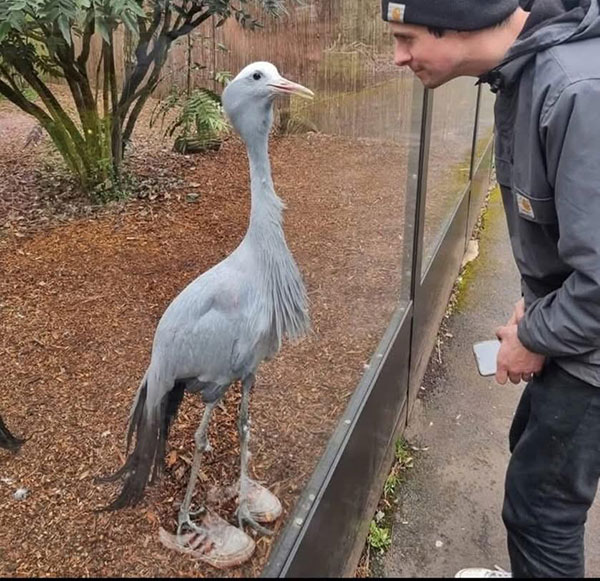
Birds are masters of perspective
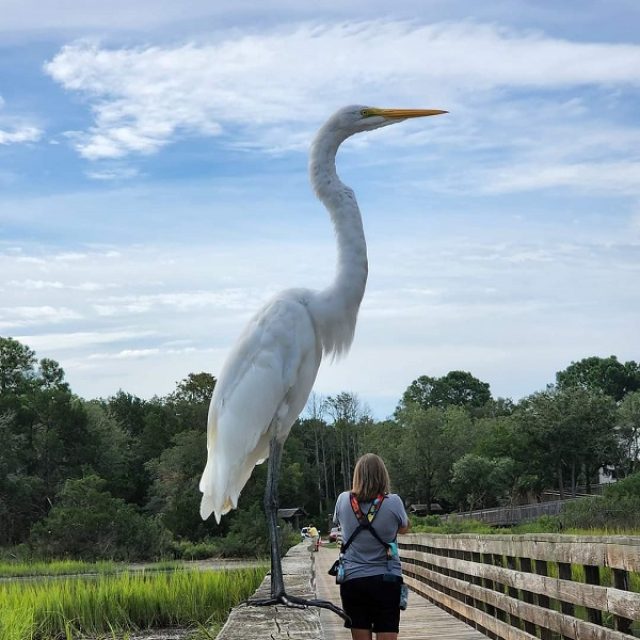
Because birds spend much of their lives in the air, they frequently appear against distant backgrounds such as mountains, clouds, or the Moon. Without clear depth cues, our brains struggle to judge distance accurately. A nearby bird can appear enormous compared to a distant building, while a tiny bird flying at just the right angle may seem to perch on the tip of a skyscraper or hold the Sun in its beak. These forced-perspective moments have fascinated photographers for decades.
Murmurations
One of the most spectacular sights in nature is a murmuration. This is a flock of thousands of starlings flying together in constantly shifting patterns. From a distance, these swirling formations resemble giant clouds, waves, or even giant animals moving across the sky. Although no optical illusion is involved, the constantly changing shapes encourage our brains to recognize familiar forms where none actually exist, making every murmuration unique.